

At Catena, Science Is Helping Shape the Future of Argentine Wine
/Argentina may be best known for Malbec, but that grape isn't the only thing happening in Mendoza's vineyards. During a recent virtual tasting with Catena Zapata, Dr. Roy Urvieta, the winery’s agronomist, discussed how the Catena Institute of Wine uses scientific research to better understand its vineyards and guide winemaking. This work is part of Catenamics, Catena’s sustainability philosophy, created by Dr. Laura Catena, which explores the connections between plants, soil, the surrounding ecosystem, and people. The goal is to preserve nature and culture while making Argentine wine even better. The Institute collaborates with scientists and leading research institutions worldwide, including UC Davis and the Institute of Masters of Wine.
As Urvieta explained, the process starts with a question. Catena identifies something it wants to better understand in its vineyards, finds the appropriate research partners, conducts the work, and shares the results in scientific papers. Mendoza offers an ideal setting for this research because its soils and climate vary considerably over short distances, making it possible to study how different vineyard conditions affect wine.
Mendoza from the Top Down
One of Catena's main research areas is high-altitude viticulture. Mendoza's vineyards stretch from the region's lower areas into the Andes foothills, with some of Catena's highest vineyards approaching 5,000 feet, among the highest elevations used for viticulture in the world.
While elevation affects temperature, Urvieta explained how sunlight intensity and exposure also change with altitude. Catena began studying this relationship about 20 years ago, examining how it affects the vines. At high elevations, vines receive intense sunlight even when temperatures are cool. The plants respond by producing compounds that help protect them from excessive sun exposure, including anthocyanins, polyphenols, and tannins. The research also shows why elevation alone doesn't tell the whole story. Two vineyards can sit at similar elevations but have very different soils and growing conditions, leading to differences in the wines.
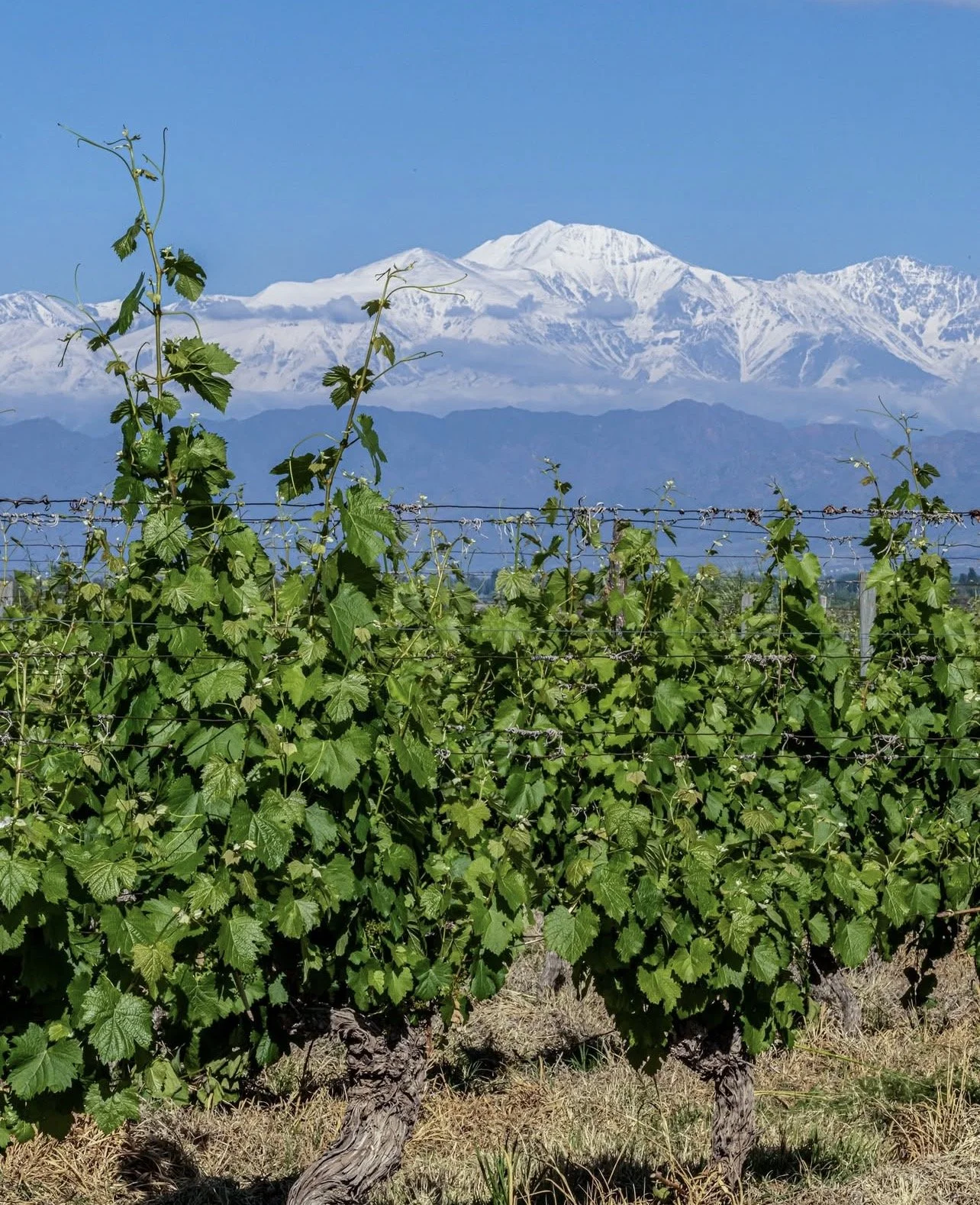
Photo of high-altitude vineyard courtesy of @catenazapata.
Beneath the Vines
Catena's research doesn't stop at what we can see above ground. The winery is also looking closely at its soils and the microorganisms that live in them. Over thousands of years, rivers carried rocks and other materials down from the Andes, forming Mendoza's alluvial soils, which vary widely in composition, even within relatively small areas.
This combination of different soils, climates, and elevations makes Mendoza particularly useful for studying terroir on a large scale. Researchers can compare vineyards growing under different conditions without having to look across vast distances.
At Catena’s high-altitude Adrianna Vineyard in Mendoza's Uco Valley, Catena has been studying the vineyard microbiome, the community of microorganisms living in the soil and around the vines' roots. Researchers have identified bacteria at different soil depths and are studying how they interact with the plants and how they may help vines deal with Mendoza's challenging conditions. Water, for example, is especially scarce in Mendoza, and understanding how vines respond to limited water can help wine producers use it more efficiently, a key component of the vineyards' long-term sustainability.
Genetic Diversity
Another part of the Institute's work focuses on preserving Argentina's viticultural heritage. Catena works with old vines and massale selection, a traditional approach in which growers take cuttings from many different vines and use them to plant new vineyards. Because each vine is slightly different, it preserves genetic diversity.
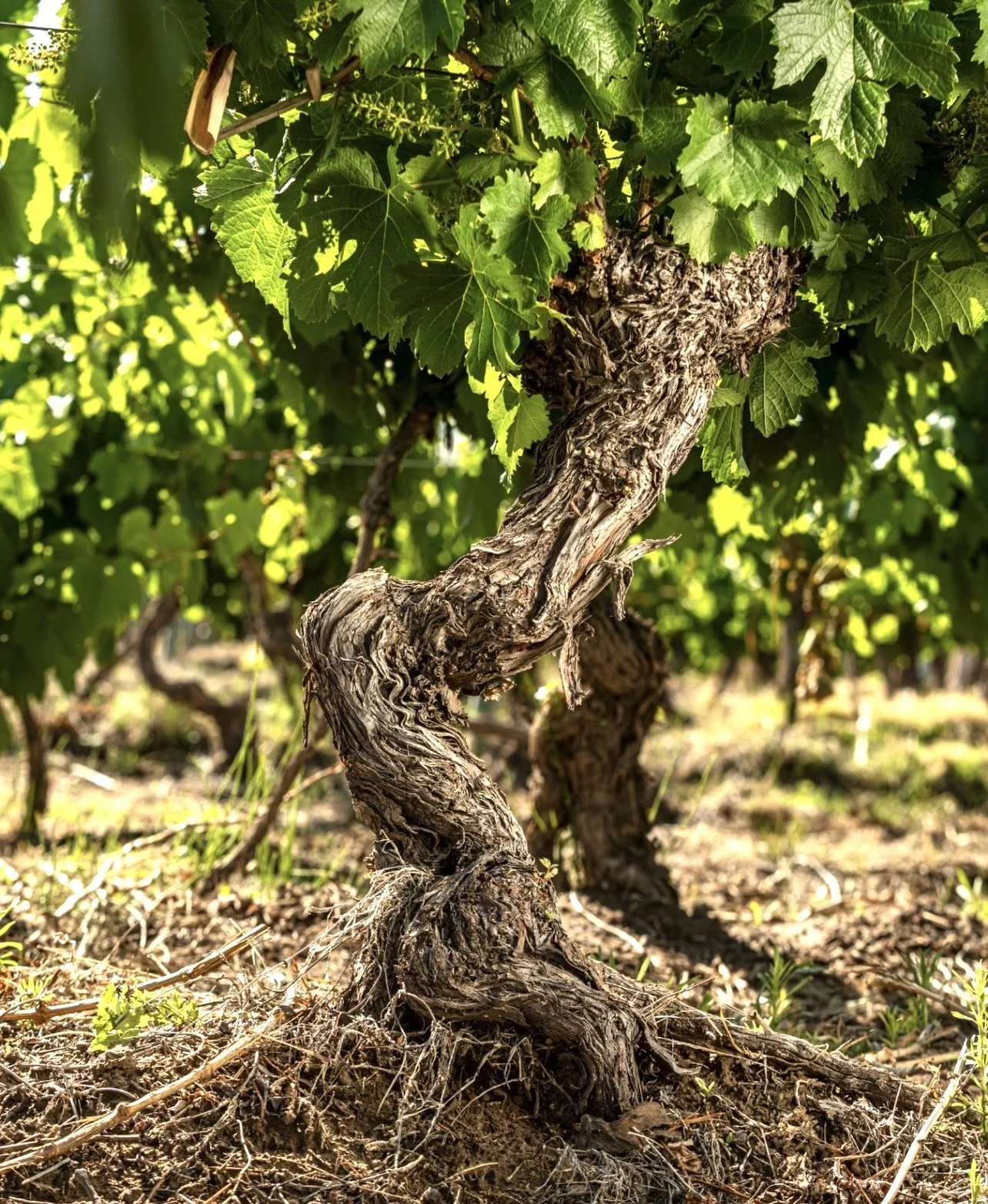
photo of old vines courtesy of @catenazapata.
Urvieta explained that even vines growing in the same vineyard, with the same soil, climate, and farming practices, can behave very differently. Some vines produce much more fruit than others, while the grapes can also vary in size and other characteristics. Rather than eliminating these differences, Catena wants to preserve them and better understand what makes each vine unique.
That diversity may also help vineyards adapt to climate change. A vineyard with many different genetic types of the same grape variety has a wider range of characteristics to draw on, which may make it more resilient as growing conditions change.
The Institute is working to preserve this genetic material for the future. INTA, Argentina's national agricultural research institute, has planted hundreds of individual Malbec genotypes for study and preservation. The collection serves as a kind of genetic library, giving future researchers and growers access to a wider range of Malbec vines.
The work also examines other varieties, such as Cabernet Sauvignon, Cabernet Franc, Chardonnay, Semillón, Criolla, Moscatel, Riesling, and Bonarda. Some older vineyards have ungrafted vines, meaning they grow on their own roots rather than being attached to different rootstock. These vines preserve genetic material passed down through generations of Argentine winemaking.
A Broader Idea
Catenamics also supports people, culture, and biodiversity, from advancing women in wine to protecting the vineyard’s natural ecosystem, including native plants, pollinators, insects, and birds. This broader approach recognizes that sustainability means protecting not only natural resources, but also the knowledge, diversity, and traditions that define a wine region. For Catena, Catenamics brings science and tradition together to protect Mendoza’s vineyards and preserve Argentina’s winemaking heritage for future generations.
Wines Tasted During the Seminar
Adrianna Vineyard White Bones Chardonnay 2023
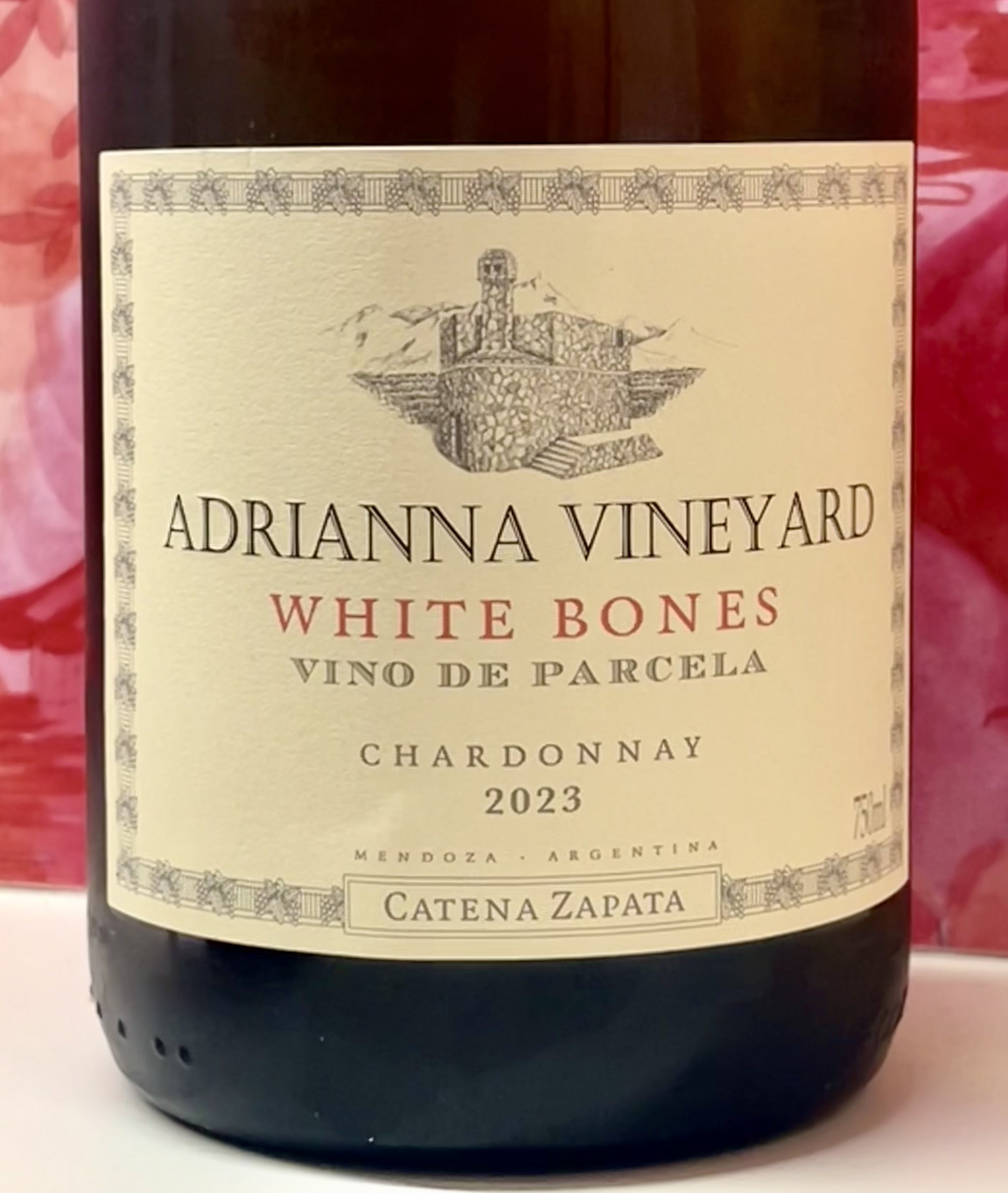
Sourced from Gualtallary, White Bones takes its name from a section of Adrianna Vineyard rich in fossilized animal bones and pale, calcareous soils. The 2023 Chardonnay offers stone fruit, citrus, mint, and white flowers, with chalky minerality and lively acidity balanced by a round texture and long finish. ($135)
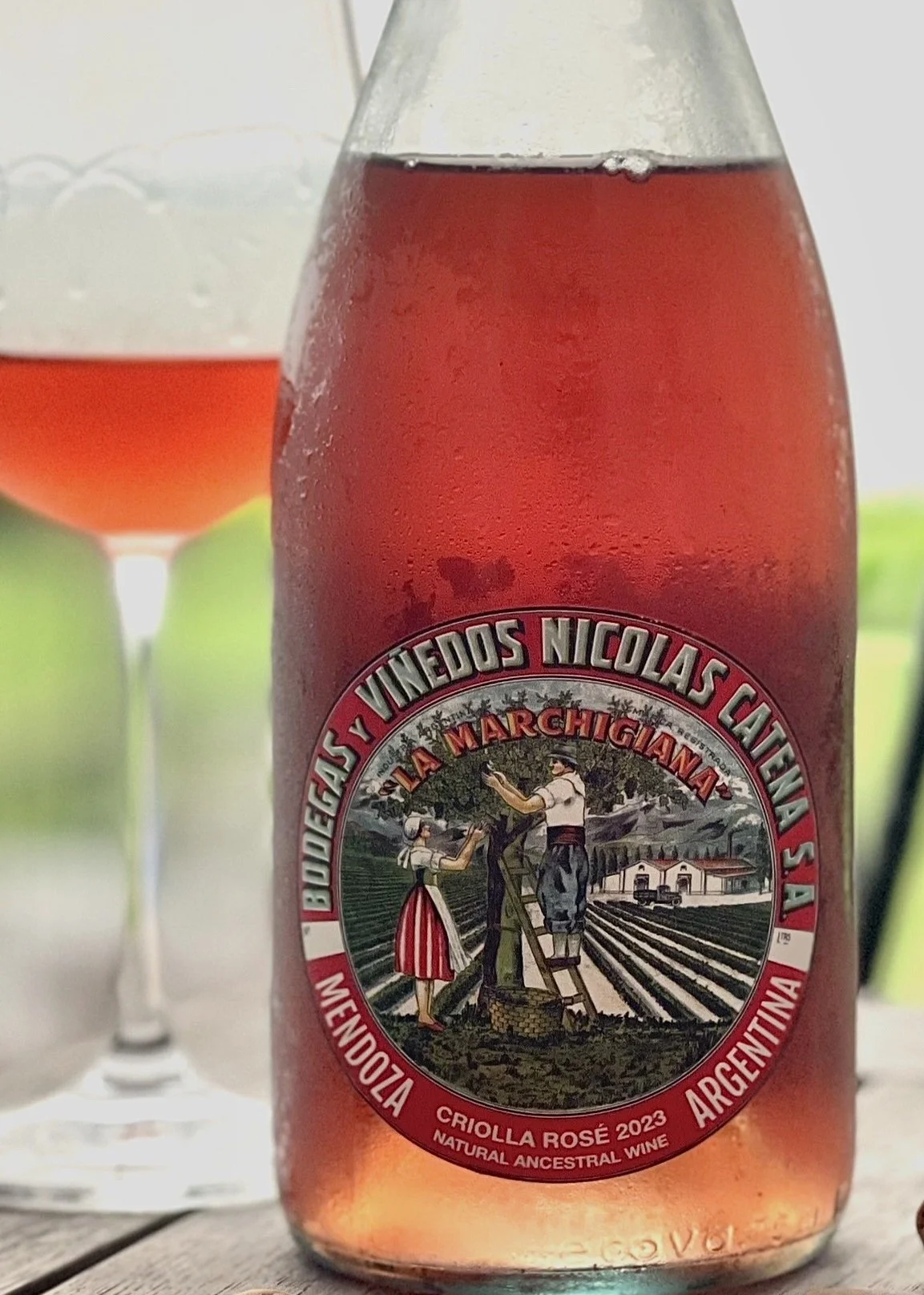
Bodegas y Viñedos Nicolás Catena Zapata La Marchigiana Criolla Rosé 2023
Made from the historic Criolla grape, La Marchigiana is a natural wine with notes of watermelon, tart cherry, and pomegranate, plus hints of bitter herbs and white pepper. Bright acidity and light tannins give it a fresh, savory finish. ($21)
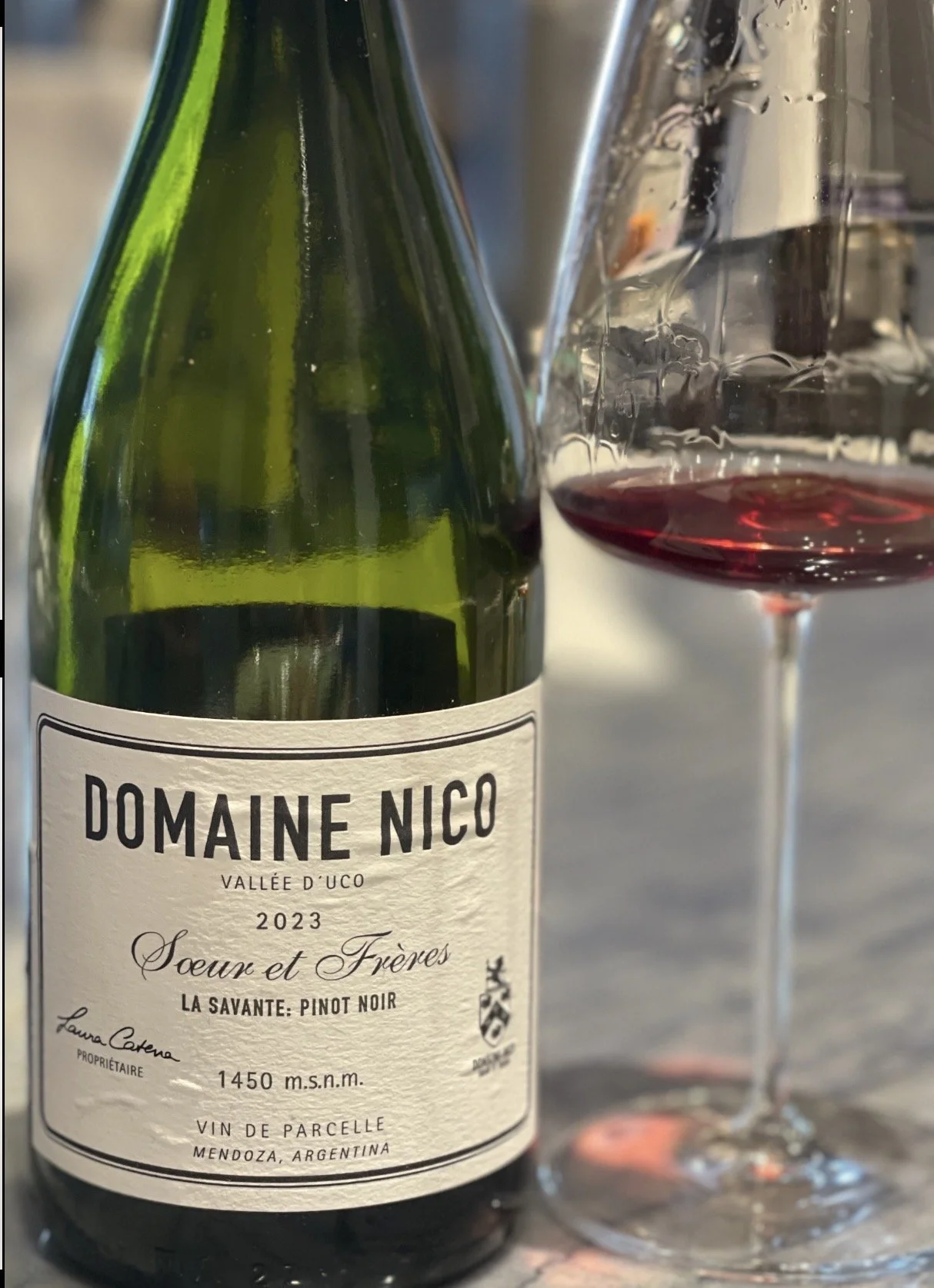
Domaine Nico La Savante Pinot Noir 2023
Grown at high elevations in Gualtallary, in the Uco Valley, La Savante is a fresh, lively Pinot Noir with notes of red cherry, rose petals, herbs, and a touch of earth and spice. Aged for 12 months in French oak barrels, it has fine tannins and a stony, mineral edge that balances the bright fruit. ($65)
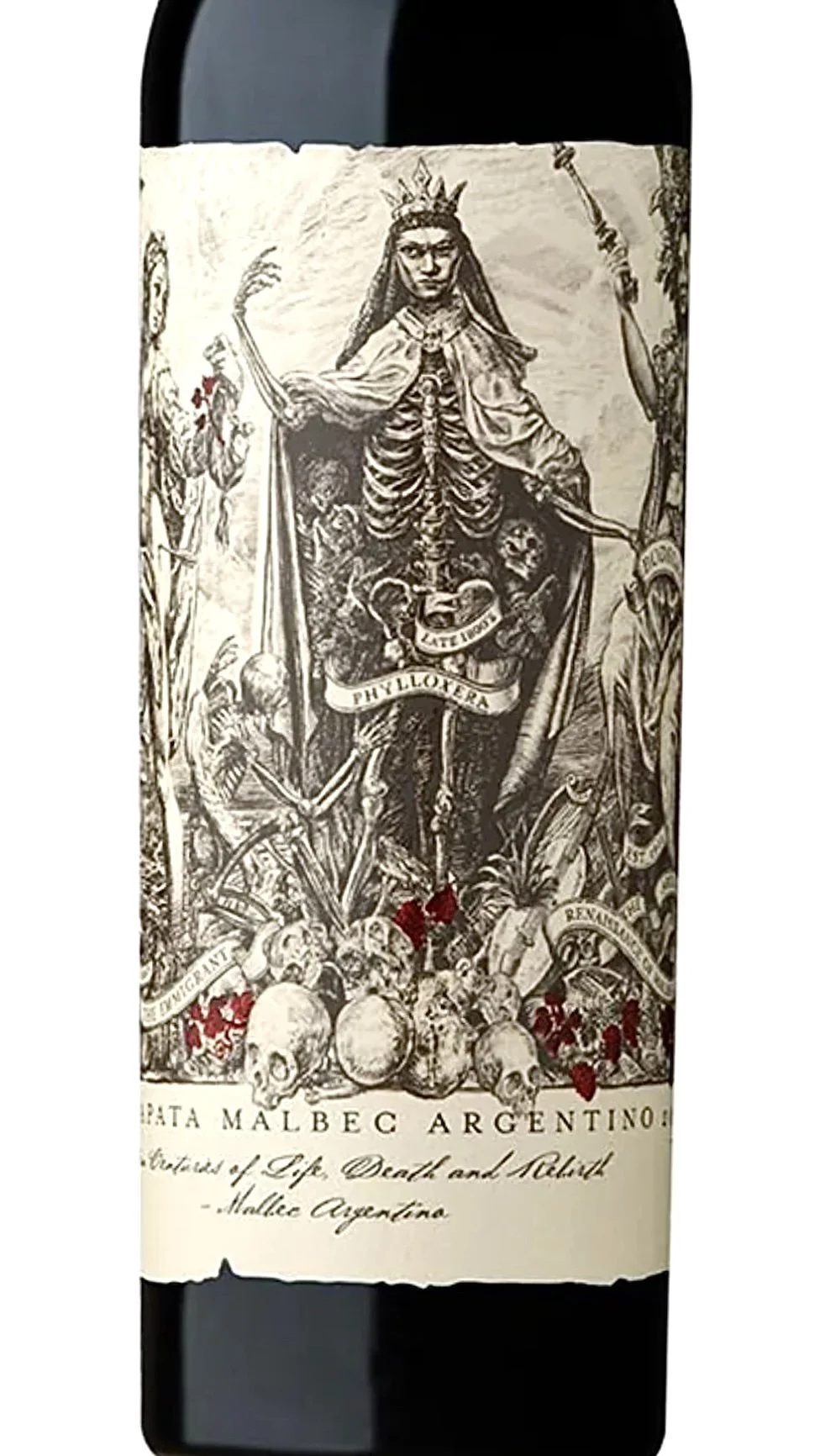
Catena Zapata Malbec Argentino 2022
Malbec Argentino 2022 is made from old-vine Malbec selections from the Angélica and Nicasia vineyards. It’s full-bodied, with blackcurrant, blackberry, and blueberry flavors, plus violet, spice, and hints of cedar, cocoa, and vanilla from oak aging. Firm, fine-grained tannins give it structure, while balanced acidity keeps the dark fruit fresh. ($120)