

Chateau Montelena 50 Years After The Iconic Judgment of Paris Wine Tasting
/Fifty years ago today, on May 24, 1976, British wine merchant Steven Spurrier organized a blind tasting that would become known as the Judgment of Paris, which changed the wine world forever. He gathered nine French critics, sommeliers, and restaurateurs, and set before them a lineup of French and Californian wines to taste and rank. To the surprise of everyone, Napa Valley wines place above some of France’s most revered estates.
A 1973 Chateau Montelena Chardonnay, crafted by winemaker Mike Grgich, placed first among the whites, beating Burgundies the judges had assumed, mid-tasting, must be French. A 1973 Stag's Leap Wine Cellars Cabernet Sauvignon topped the reds over legendary Bordeaux first growths Mouton-Rothschild and Haut-Brion. The event helped establish Napa Valley as a world-class wine region, challenging the long-held belief that great wines could only come from Europe.
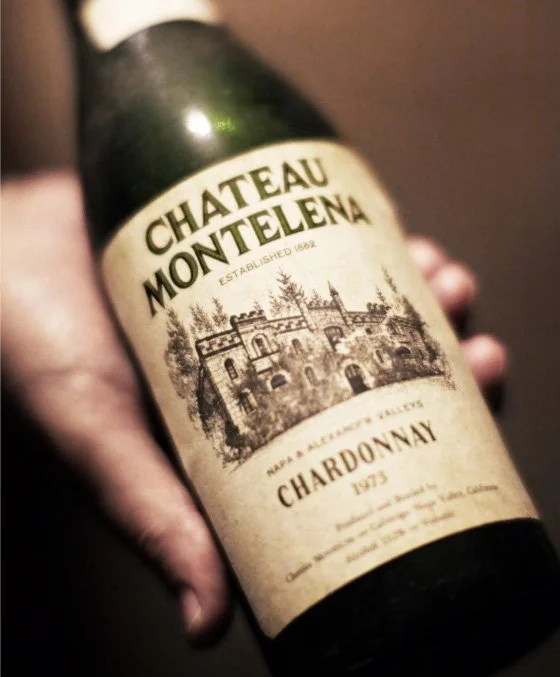
Photo: Chateau Montelena Website
For Chateau Montelena, the victory instantly transformed a small Napa winery into one of the defining names in American wine. Fifty years later, the estate remains family-run on the same 150 acres at the northern end of Napa Valley. The philosophy hasn't changed: balance over power, longevity over trend-chasing, and a conviction that great wine reflects a place rather than overrides it.
Bo Barrett, son of founder Jim Barrett, served as the winemaker for two-plus decades, and still walks the vineyards daily, including one block he refuses to let anyone replant because the end posts are the ones he pounded in himself in 1974. Winemaker Matt Crafton has led the cellar since 2014. Over dinner recently in New York City, the two spoke about holding on to their winemaking philosophy amid Napa’s shifting stylistic tides.

Photo: Chateau Montelena
Old World Style, New World Sunshine
Bo Barrett describes the wines of Chateau Montelena as “old world style, but with California sunlight,” meaning wines with the balance and restraint of classic European wines, but with the ripeness and generosity that Napa Valley’s climate brings.
The family never relied on outside investors or celebrity acquisition, nor did it chase current wine trends. And for Bo, that continuity comes with a strong sense of responsibility to the people who have supported the winery over the decades. “Everything at Montelena that you see has been paid for by somebody trusting us enough to buy a bottle of wine,” he says. “The land, the vendors, the tractors, everything. All my family has.”
The estate Cabernet was always the dream. Jim Barrett’s ambition was to create “the Latour of California.” The Chardonnay that won the Paris competition initially existed for a more practical reason: to generate cash while the Cabernet vines matured. Fifty years later, both wines are considered benchmarks of California wine, and the philosophy behind them has changed little.
Barrett says his approach to making wine is like painting, with whites and reds requiring entirely different processes. “For Chardonnay,” he says, “it’s about the addition to your canvas. The fruit from your vineyard is the fabric you’re painting on. Every time you touch it, you lose some of your white.”
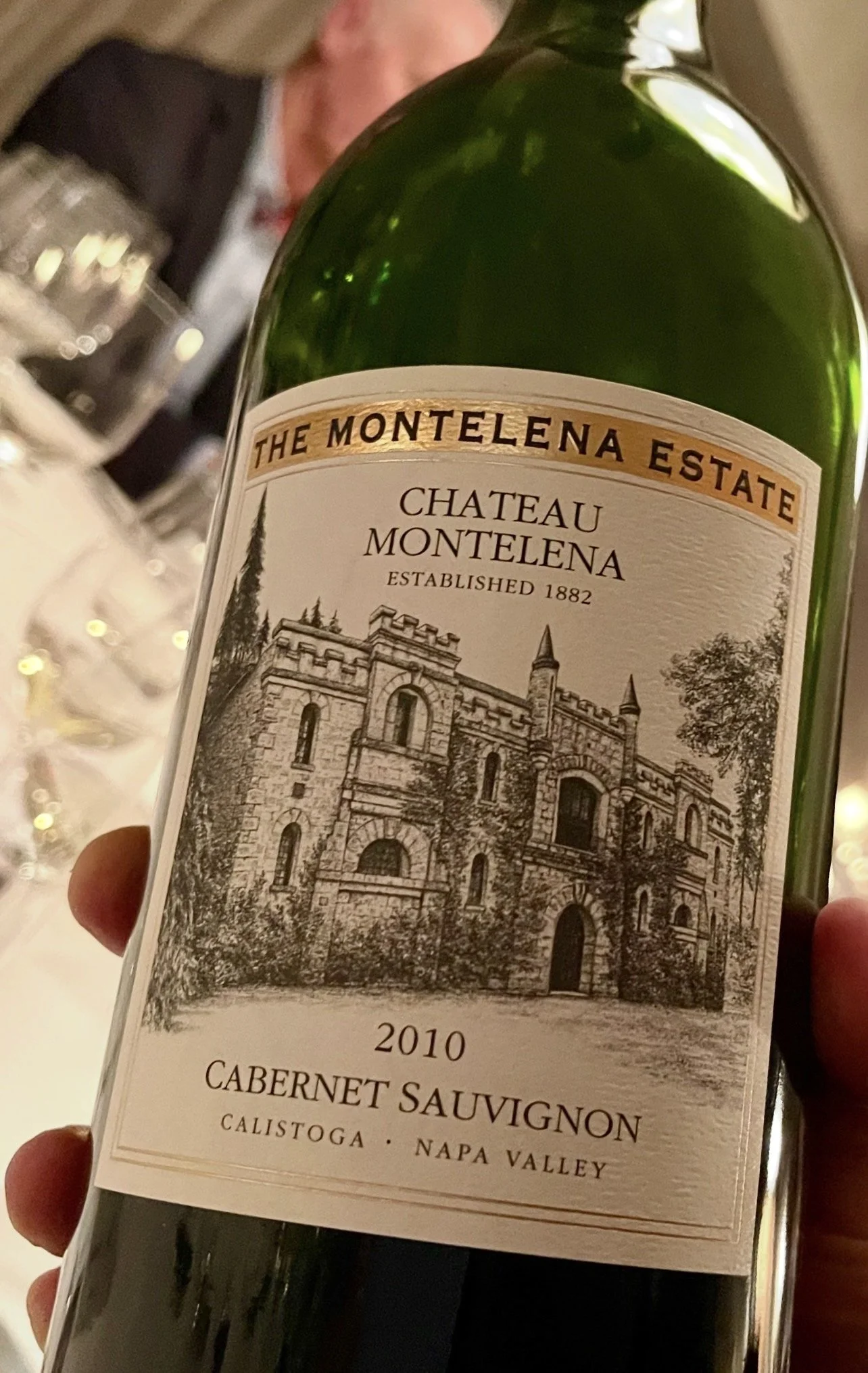
Reds, he says, are more like sculpture: a big, massive glob that’s coarse and rough at the start. The winemaker's job is to take off the rough edges. “Sometimes you need a chainsaw," he says, "sometimes a chisel, sometimes 600-grit wet-and-dry sandpaper.”
That instinct for letting the vintage speak for itself was tested in 2011, a difficult (cold and wet) vintage that many critics and consumers quickly wrote off. Matt Crafton believed from the get-go that they had produced something that would, with time, be extraordinary. “Back then I was saying, ‘Mark my words, ten years from now everybody’s going to want this,’” he recalled. “And they were like, ‘You’re crazy.’” Today, Crafton says, “I’d guarantee that a lot of the people buying the 2011 in the market now are the same ones who said no to it early on.”
Staying the Course
By the mid-2000s, Jim Barrett was approaching his eighties and facing a familiar dilemma for family businesses: how to pass on something you’ve spent a lifetime building without losing it to taxes or underinvestment. Chateau Montelena needed major vineyard replanting and costly upgrades, so Barrett decided to sell.
The buyer was Château Cos d'Estournel. In 2008, as the deal moved toward completion, the Bordeaux team came to Napa to work the harvest alongside Montelena. It was Crafton’s first year at the winery, and every night he faxed fermentation reports to Bordeaux. Each morning, the same reply came: “Received, thank you.” Until one morning, it didn’t.
That was the day the Lehman Brothers collapsed and filed for bankruptcy. The financing disappeared, the deal fell apart, and Chateau Montelena stayed in family hands. “My personal feeling is that the Lord arranged the Lehman Brothers collapse specifically to force us to keep Chateau Montelena in the family,” Bo Barrett joked.
Jim Barrett had long resisted the replanting and reinvestment Bo had been pushing for, but the Bordeaux team's enthusiasm for the estate had shifted something. “After the deal fell apart, I realized I wasn’t crazy,” Bo said. “I knew what I was talking about. And then my father did too, and he turned us loose.” A new cellar followed in 2010, along with a major replanting program.
Bo has also watched Napa’s stylistic pendulum swing dramatically over the decades. During the height of the Robert Parker era, when ultra-ripe Cabernets dominated scores and auctions, Montelena resisted the trend. “Why did they have to use so much new oak?” Bo says of those wines. “Because the wood sugar offset the bitterness of the high alcohol.” But over time, he argues, the structure collapsed. “The people who laid those wines down ended up with dead soldiers,” he says. “A lot of wood, nothing else.”
Half a century after its victory at the Judgment of Paris, Chateau Montelena’s story is about more than one famous tasting. It’s about resisting fashion and staying committed to a vision, even if the market moves in another direction.