
Les Abeilles: How One Rhone Valley Winery Protects Bees
/Bees are some of the hardest workers on our planet. Even though they’re small, they play a big role in our ecosystem, pollinating about one-third of the food we eat, including berries, apples, and almonds. As bees move from flower to flower, they spread pollen, helping plants, fruits, and seeds grow. Without them, many wild plants would disappear, and countless animals would lose important food sources and habitats.
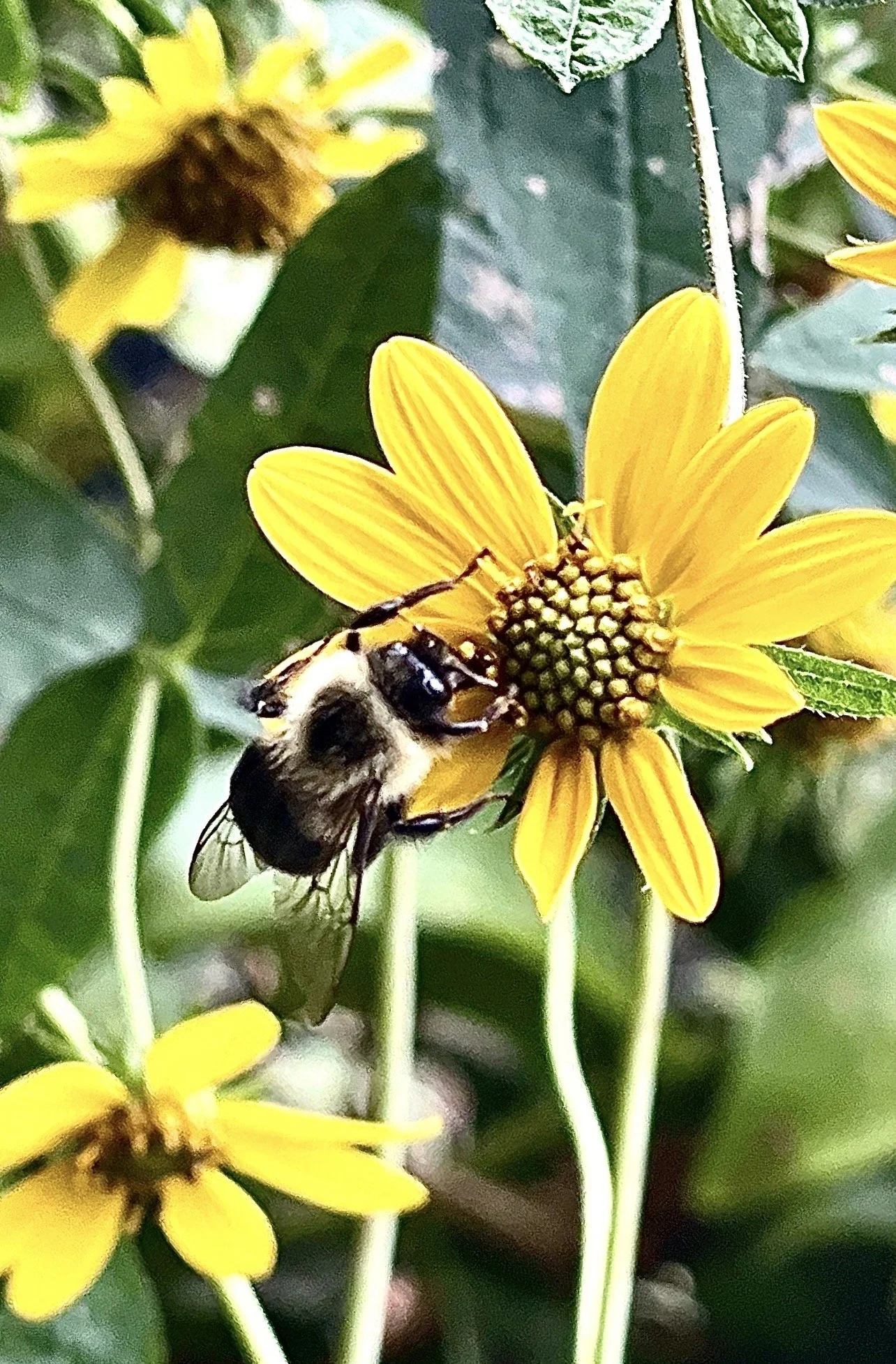
Photo: Lisa Denning
Sadly, bees are facing serious challenges today. Harsh chemical pesticides are harming their nervous systems, while development and industrial farming continue to destroy the wildflower meadows and natural habitats they depend on. Climate change adds another layer of stress. Warmer temperatures can disrupt nature’s timing, causing flowers to bloom before bees emerge from winter hibernation, while droughts reduce the nectar bees rely on for survival.
For Jean-Luc Colombo, protecting bees is a natural part of caring for the land. Fittingly, the first vineyard he purchased in 1982 in the Rhône Valley is called Les Ruchets (“The Beehives”). From their farm perched at the top of the Cornas hills, Jean-Luc and his wife Anne have created a paradise planted not only with grapes, but also with apricots, figs, and olives, a vegetable garden, and many flowering plants. Through organic farming, the elimination of harsh pesticides, and the cultivation of wild plants and flowers, the estate creates a healthier ecosystem that benefits both pollinators and the vineyards.
The winery also supports bee conservation through its Les Abeilles wine line. In the United States, bottles sold support the Save the Bees Foundation, which promotes pollinator education, bee research, and environmental restoration projects to protect bee populations for the future.
Scroll beneath the wine notes to learn how to start your own bee-safe garden.
Les Abeilles Wine Tasting Notes
Organic and ready to drink now, these tasty southern Rhône blends reflect the region’s sunshine, wildflowers, bees, and biodiversity.
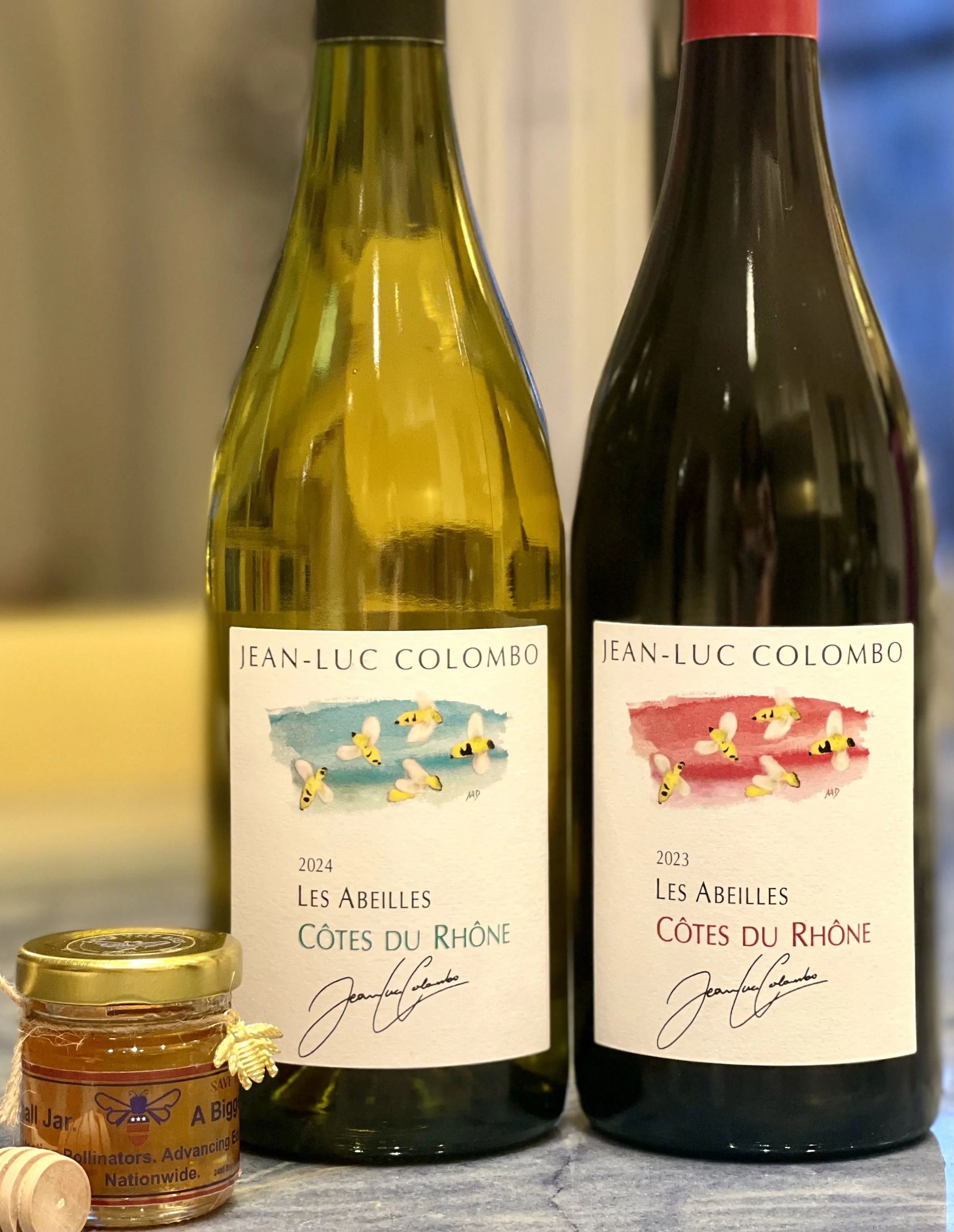
Les Abeilles Côtes du Rhône Blanc ($18). An 80/20 mix of Clairette and Roussanne grapes. Floral aromas of honeysuckle mingle with green apple and white peach. Crisp and refreshing with a slightly honeyed taste. Serve slightly chilled with young cheeses, grilled fish, sushi, and fresh summer salads.
Les Abeilles Côtes du Rhône Rouge ($18). A classic GSM mix of Grenache, Syrah, and Mourvèdre grapes. Medium-bodied, with dark plum and fresh red cherry fruit, hints of tobacco, black pepper, coriander, and licorice; chalky, silky tannins and mouthwatering acidity. Pairs perfectly with seared ahi tuna, roast chicken, or grilled lamb.
How to Start a Bee-Safe Garden
Pick the Right Flowers. Bees need a variety of flowers to get a healthy, balanced diet.
Grow Native Plants: Native plants belong in your area, so they grow well and attract local bees.
Choose Bright Colors: Bees love blue, purple, yellow, and white flowers best.
Plant in Big Clumps: Put a few of the same flowers together so bees can see them easily from the sky.
Have All-Season Blooms: Mix plants that bloom in spring, summer, and fall so bees have food all year.
Keep It Safe. Bees need a healthy environment to raise their young and rest.
Skip the Sprays: Never use chemical bug sprays or weed killers, as these hurt bees.
Leave Some Dirt: Many native bees nest in the ground, so leave a small patch of bare soil for them.
Add a Bee Bath: Put a shallow bowl of water with rocks in it so bees can land and drink without drowning.