
Making Herstory: Four Women Shaping The Wine World
/Today, March 8th, is International Women’s Day, a celebration of the social, economic, and political achievements of women around the world. March is also Women’s History Month, created to honor women’s contributions to American history.
For this year's Herstory spotlight, I spoke with four incredible winemakers—from Chile, the Finger Lakes, Washington State, and Tuscany—asking them to reflect on their journeys: what drew them to winemaking, how the culture has evolved, their hopes for the next generation, and the advice they’d offer women just starting out.
While March offers time to pause and recognize these stories, the contributions of women in wine (and everywhere!) deserve to be celebrated year-round.
LYNNE FAHY, GENERAL MANAGER/WINEMAKER, HILLICK & HOBBS ESTATE, FINGER LAKES
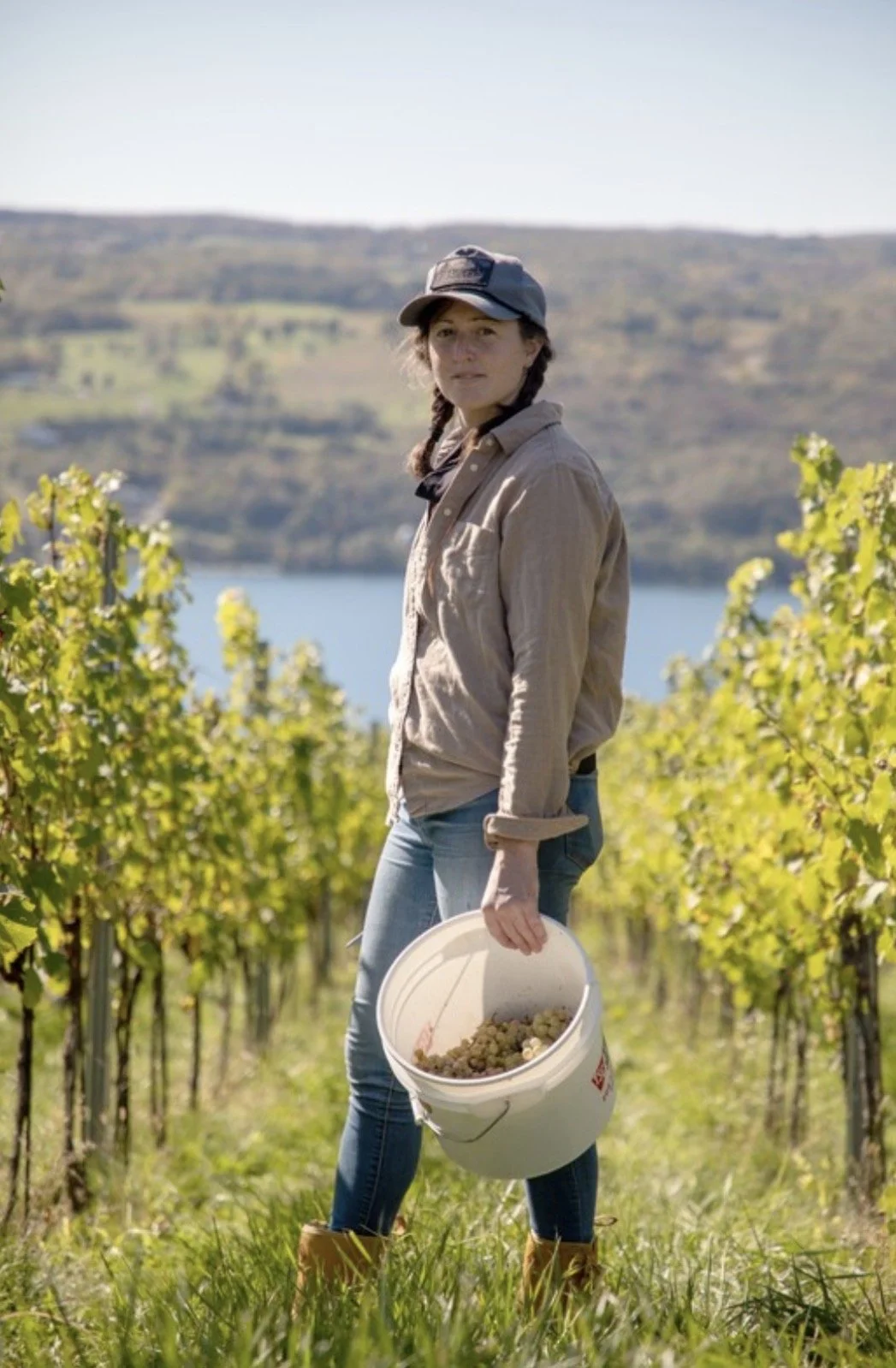
Lynne Fahy's path to the Finger Lakes wound through New Zealand, Oregon, and several of the region's most respected wineries before she landed at Hillick & Hobbs Estate, where she has spent nearly five years steadily expanding her role from Associate Winemaker to General Manager. Her focus on cool-climate Riesling, guided by the expertise of Paul Hobbs and his team, has made her one of the region's rising voices.
What drew her to wine: “My interest in beverages started while I was still attending university... One of those jobs was at a bar/restaurant that served 40 rotating taps of beer. This was my first introduction to tasting and evaluating beverages.”
A chance encounter while traveling led her to a harvest in New Zealand, and she was hooked. “I enjoyed the physicality of the work, learning something new and incredible every day, and how people seemed to really enjoy their work.”
On what she felt she had to prove: “Early on in my career, I wanted it to be known that despite being a petite woman, I was just as good at the physical tasks as anyone else. Ultimately, being willing to do the hard work created opportunities for hands-on learning and to take on more responsibility.”
On progress for women in the field: “I’ve seen faster growth for women in the cellar and on the business side, while the vineyard has been much slower. That said, I'm meeting more women in positions of leadership and authority, especially since moving to the Finger Lakes. I know women who are top in their field and are being spotlighted for their expertise. Seeing these women illuminated feels like things are trending in the right direction.
Her hopes for the next generation of women in wine: “Women have been forging paths in the industry for decades and have made it clear that what we are contributing has value. I hope women won’t have to think about whether a role is suited for them based on their gender, and that they feel confident being leaders in all areas. As we pursue gender equality in the wine industry, we also need to think about how we can open the doors and attract people of diverse backgrounds who may not see themselves currently represented.”
Advice for women just starting out: “Find a community of other women working in the industry. It can help build confidence in tasting, allow for open discussion about work environments, and provide new perspectives. The women I have met are open to sharing their experiences, and it has been an invaluable resource in my career.”
AMY ALVAREZ-WAMPFLER, WINEMAKER, ABEJA, WALLA WALLA, WASHINGTON
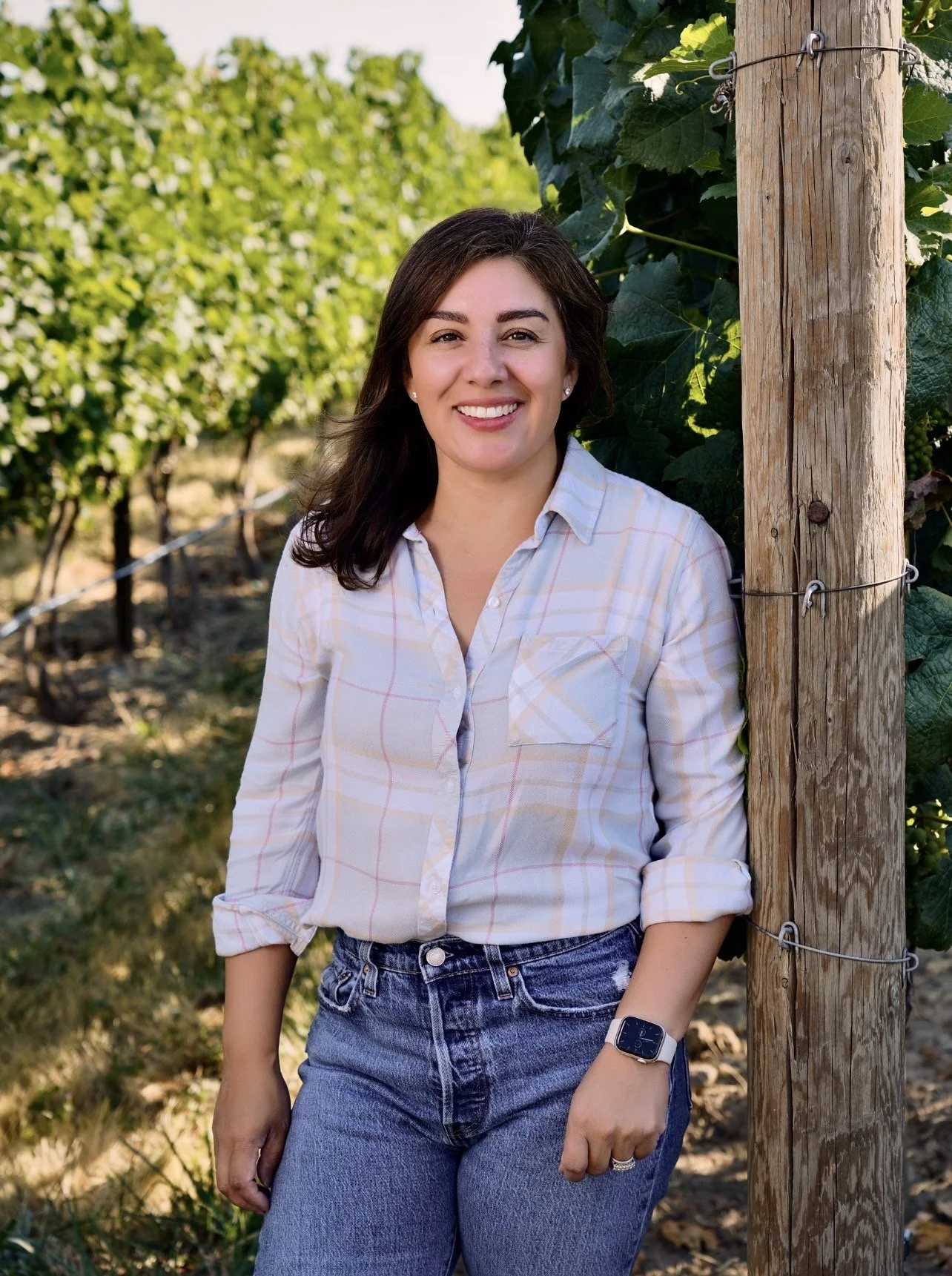
Amy Alvarez-Wampfler's entry into wine began not in the cellar but in the tasting room, where a love of hospitality gradually gave way to a deeper interest in learning the craft of winemaking. Today, Alvarez-Wampfler makes wine at Abeja in Walla Walla, alongside her husband and fellow winemaker, Daniel Wampfler.
What drew her to wine: “I began my wine career at Ste. Michelle Wine Estates, working in tasting rooms where I gave tours, led tastings, and sold wine. I was fascinated by how happy people were to be tasting wine and sharing the experience with their friends and family. As I learned more about how wine is produced—how the fruit is grown, what makes certain wines special, and how flavors and aromas develop—I became increasingly interested in returning to school to pursue a degree in enology and viticulture, knowing that I wanted to work in the vineyards.”
On discovering her voice in the cellar: "One moment that shaped my journey toward becoming more wine-focused happened during tastings with colleagues, most of whom were men. I began to notice that my palate was different. Not better or worse, just different. I could contribute to blending sessions because I experienced the aromas and flavors in a unique way. That realization made me think that there should always be at least one woman on a winemaking team.”
On how the industry has shifted: "I have noticed that the wine industry has changed just as much as any other male-dominated industry. Women have always been a big part of the wine industry, but now we are also becoming the face of the industry. There has been a cultural shift in the cellar, and women are more accepted there. We are more educated, have more networks and support organizations than ever before. I hope that, in the future, women will see the wine industry as an open field, free of barriers or stereotypes.”
Advice for women just starting out: "Surround yourself with people who support you and your goals. Continue to grow your education in the wine industry, always. If you are at a job where you have reached your ceiling for advancement, move on. If you are at a job where you are not challenged or learning, move on."
ANA MARÍA CUMSILLE, CHIEF WINEMAKER, VIÑA CARMEN, CHILE
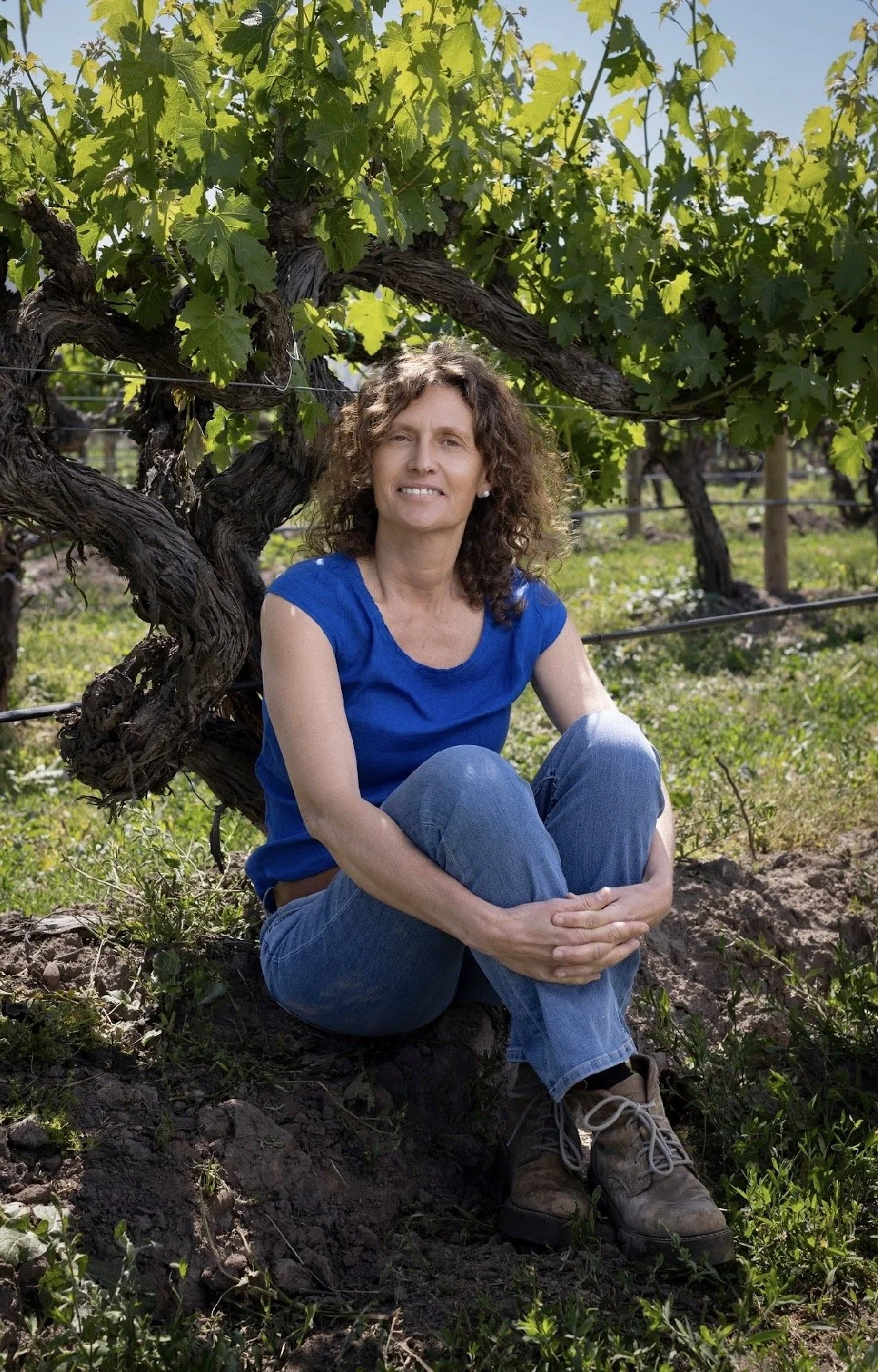
Ana María Cumsille is one of Chile's most respected winemakers, appointed Chief Winemaker of Viña Carmen in November 2023 after more than two decades in the industry. Her work building the winery's high-end viticulture projects and creating its acclaimed boutique wines earned her the "Revelation Winemaker of the Year" award from Descorchados 2023, the renowned Chilean wine guide led by journalist Patricio Tapia.
What drew her to wine: “What first drew me to wine was the unique combination of science, creativity, and emotion that winemaking offers. Each vintage is different and requires many decisions that shape the wine's character, from the vineyard to the bottle... When everything aligns and, years later, you open a bottle that tells a story, that is the true meaning of this work.”
On navigating a male-dominated field: “Sometimes you have to prove yourself more, but it is also an opportunity to bring a different perspective and sensitivity to the work. Over time, I've learned to face these situations with confidence, professionalism, and passion, letting the quality and personality of the wines speak for themselves.”
What she hopes changes: “During my career, I have seen a gradual but meaningful shift. More women are involved in winemaking today, not only in the cellar but also in technical and leadership roles. This change has brought greater diversity of perspectives to the industry. Different viewpoints enrich how we interpret the vineyard, make decisions in the winery, and communicate wines to the world. I believe this diversity ultimately strengthens the industry and the wines we produce.
“I hope the next generation of women in wine won’t have to question where they belong within the industry. Ideally, talent, dedication, and knowledge will be the only things that matter. It would be wonderful if future generations could focus entirely on learning, experimenting, and expressing their vision through wine, without feeling the need to prove themselves differently because of their gender.”
Advice for women just starting out: “Trust your intuition, remain curious, and never stop learning... Confidence, professionalism, and passion for the craft are essential, and over time, the quality of your work will speak for itself.”
ELENA CASADEI, FOUNDER, LE ANFORE PROJECT, FAMIGLIA CASADEI, TUSCANY & SARDINIA
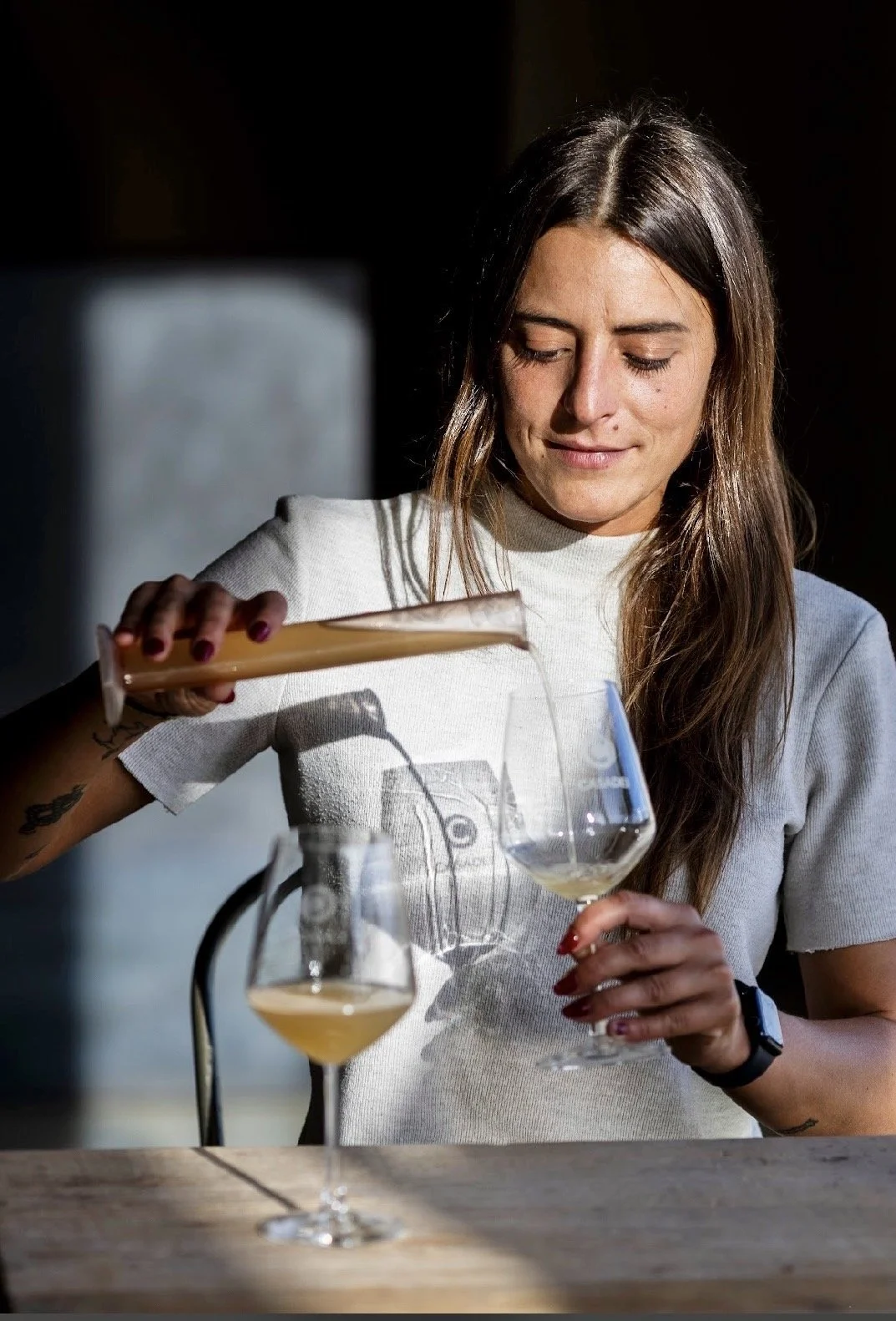
Born into an Italian wine family, Elena Casadei initially resisted the path that seemed predestined. After years abroad in the U.K., U.S., and Hong Kong, she returned home and discovered wine on her own terms. Today, she leads Le Anfore di Elena Casadei, a varietal project vinified and aged exclusively in amphora across sustainably farmed parcels in Tuscany and Sardinia.
On finding her own way in: “Having been born to parents who work in the world of wine, and who, before being entrepreneurs, are true enthusiasts, I grew up with the word ‘wine’ constantly around me. It was everywhere. So, present that at a certain point, it almost felt oppressive. … For a long time, I experienced it as something inevitable, a predetermined path I would fall into sooner or later. And perhaps for that very reason, out of an almost rebellious instinct, I decided it would not be my path. I have never liked the idea of occupying a space that seems already assigned. I felt the need to choose for myself.
“So I left. I traveled, searching for something else … Then, quite simply, I returned due to a lack of money. … My parents told me that if I wanted to earn something, I should go and work in the cellar.
“And that is when something unexpected happened. … I fell in love with this extraordinary material. I discovered wine not as an inheritance, but as an experience. … The amphora places you in a very honest position. You cannot force, you cannot mask. You can only follow.
“… Wine, after all, is about sharing. I wanted to share my own journey of discovery … I felt the need for sincere wines. Wines that did not seek to replicate themselves, but to tell the story of the vintage, the differences, even the imperfections.”
What she hopes changes: “I hope women will no longer feel the need to see themselves as representatives of a category. For a long time, women in wine have been implicitly assigned a narrative role defined by sensitivity, elegance, and delicacy. These are beautiful qualities, but they become limiting when they cease to be possibilities and turn into expectations.
“I hope the next generation will be able to move within a more neutral space, where stylistic, agronomic, or entrepreneurial choices are not interpreted through a gendered lens. Making wine is agricultural, technical, and creative work. It is not an exercise in gender identity. Ultimately, the real achievement is not simply having more women in wine. It is no longer having to speak about it as an exception.”
How women’s roles in wine have evolved: “I believe the culture of wine for women has changed significantly over time. In the past, many women were already deeply involved in the work in the vineyard and the cellar, but their role often remained more in the background, behind the scenes of the family project. Today, instead, we see more and more women in leading positions, as producers, entrepreneurs, and the public voices of their estates.
“That said, my personal experience has been a little different, because I grew up surrounded by strong female figures who were true protagonists in the wine world. My father, too, has always greatly valued the energy, sensitivity, and capabilities that women bring to this work. For this reason, personally, I have never perceived being a woman as a limitation. For me, it has always felt natural to imagine myself in this role.”
Advice for women just starting out: "Be strong, but not in the most obvious sense of the word. Strong in remaining faithful to your own vision... Do not be intimidated by what is still described as a male-dominated world. Agriculture is neither male nor female. Wine is not. The land does not distinguish.
“In the end, what truly matters is not who you are, but what you are able to express. Because wine, even before being a product, is a narrative. It is an attempt to convey a vision, an emotion, a daily relationship with nature. And this is a language that does not belong to a gender, but to sensitivity.”