
País Is Back: 5 Things to Know and 6 Wines to Try
/One of my greatest pleasures is introducing friends to wines they didn’t know they were missing, especially when I think they’re going to love them. Liza, one of my more adventurous pals, is always game for my suggestions. Most recently, we spent an entire dinner at Txikito, a Basque spot in Chelsea, drinking dry Sherry—her first time tasting what I believe is one of the world’s greatest food wines. And she did indeed fall for her Amontillado that night.
The time before that, we were at Nuyores in the West Village, where, after a round of well-made Pisco Sours, I asked the server for a glass of País. Unsurprisingly, Liza’s interest was piqued, and she asked me for a taste. One sip of Roberto Henríquez País Franco and she lit up. Lots of oohing and aahing. And the wine even surprised me a little bit. Most versions I’ve had have veered more rustic (though still delicious), but this was something else entirely, with an unexpected level of refinement and flavor on the palate.
If País isn’t a grape you know well, you’re not alone. Long associated with simple, unmemorable Chilean wines, it spent decades overshadowed by more fashionable international varieties. But that’s changing. Today, thanks to a new generation of thoughtful producers and a growing market for fresher, lighter reds, this delightful wine is finally getting the recognition it deserves.
Five Things to Know About País
1. It’s One of the Oldest Grapes in the Americas
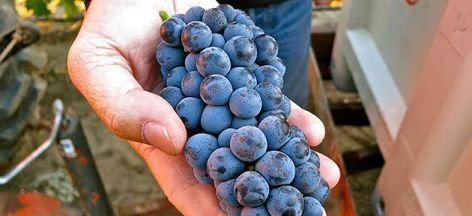
Brought to the Americas by Spanish missionaries in the 16th century, País became the first widely planted European grape in places like Chile and Argentina, helping establish wine culture across the continent.
2. It Goes by Different Names Around the World
País is part of a grape family that traveled widely with the Spanish empire. It’s known as Criolla Chica in Argentina, Mission in North America, and Listán Negro in Spain’s Canary Islands. Same grape, different identities, and each shaped by where it landed. Today, some of the best examples come not just from Chile, but also from old bush vines in the Canaries, where Listán Negro has developed its own personality.
3. It’s Not the Chilean Red You Expect
Forget heavy, oaky reds. País is typically light-bodied, bright, and fruit-driven, with red berry notes, a touch of earth, and often a slightly rustic edge. It’s low in tannin, naturally high in acidity, and usually has a relatively low alcohol content, in the 12–13% ABV range, well below many fuller-bodied reds. It drinks more like Gamay or Pinot Noir than Cabernet, and a slight chill only makes it better.
4. Out of Favor, Now it’s Back
For centuries, País was everywhere in Chile. But as varieties like Cabernet Sauvignon, Merlot, and Carménère took over, it lost its cachet and became associated with bulk wine. Now, with drinkers looking for lighter, more refreshing reds, it’s making a well-deserved comeback.
5. A New Generation of Producers Is Rewriting País
What’s driving the revival is a new mindset. Today’s best producers are treating País with care: earlier picking, gentle extraction, and little to no oak, all in pursuit of freshness and balance.
Six Wines to Know About
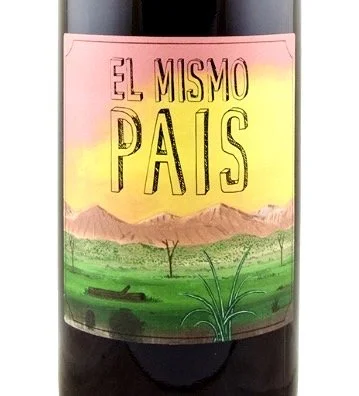
Louis-Antoine Luyt El Mismo País – One of the earliest champions of País, helping reframe the grape as something worth taking seriously. This wine is fresh and light-bodied, with earthy and fruity notes, and is perfect with a picnic salad spread. ($22)
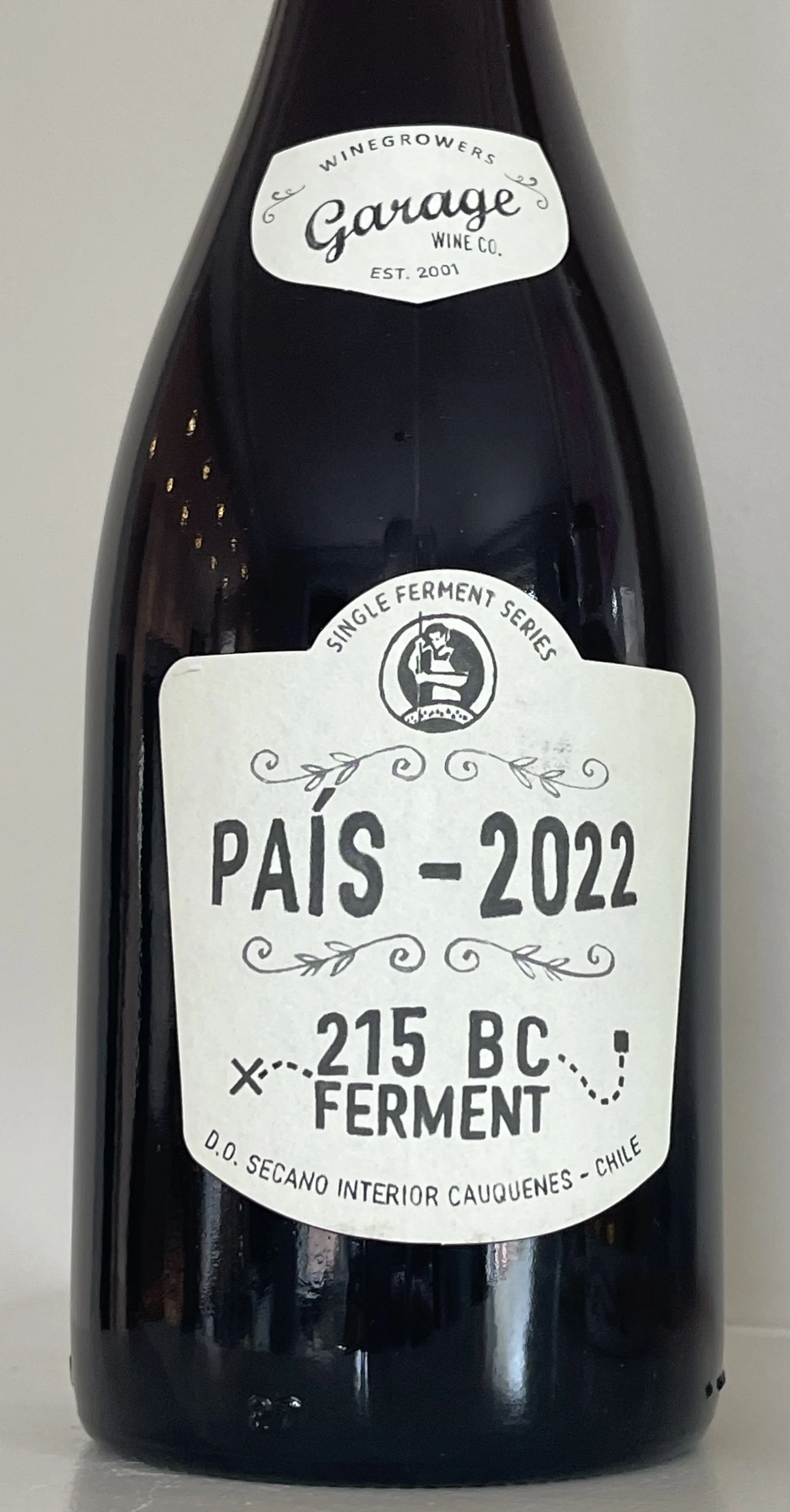
Garage Wine Co. País 215 BC Ferment 2022 – Small-lot, dry-farmed wines from Maule that show depth and structure. This one offers loads of ripe fruit flavors and round tannins, without rusticity. This País grows on granitic rock in a coastal, mountainous area. ($21)
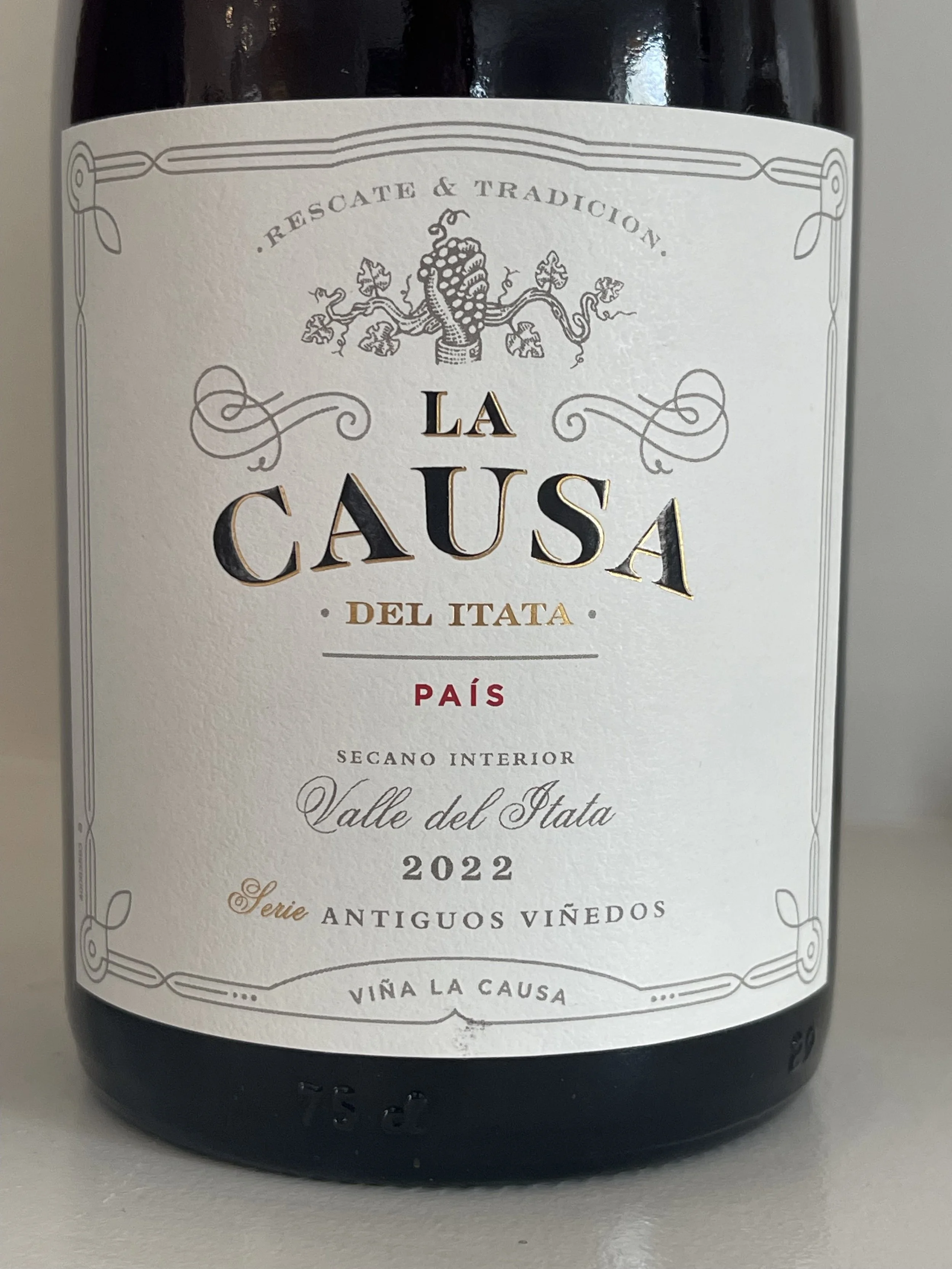
Miguel Torres Chile, La Causa País 2022 & Estelado Brut Rosé – From the Chilean branch of the Torres family of Spain, Miguel Torres Chile has been a major player in País’s revival. For La Causa, grapes are sourced from small, independent growers in the Itata Valley. The vineyards are more than 100 years old, with dry-farmed bush vines that continue to define País in southern Chile. La Causa País is fragrant, light-bodied, and juicy with soft, rustic tannins. ($25)
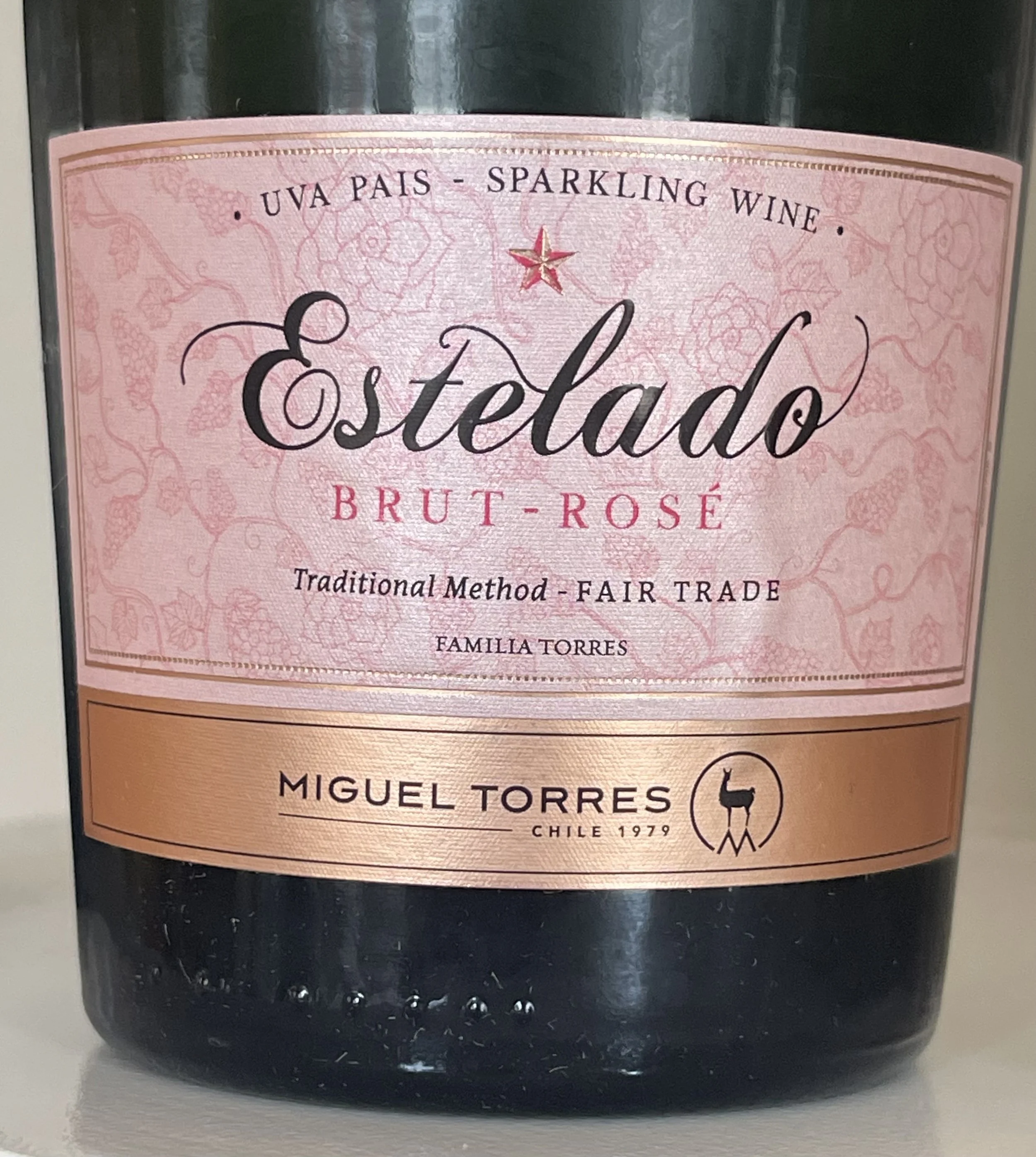
Miguel Torres Estelado Brut Rosé from the Maule Valley shows the grape’s versatility with lively bubbles and hints of fresh red berries and citrus. From a partnership with 19 small growers in the Viñedos Esperanza de la Costa Association, Estelado is the first sparkling wine made from País. ($23)
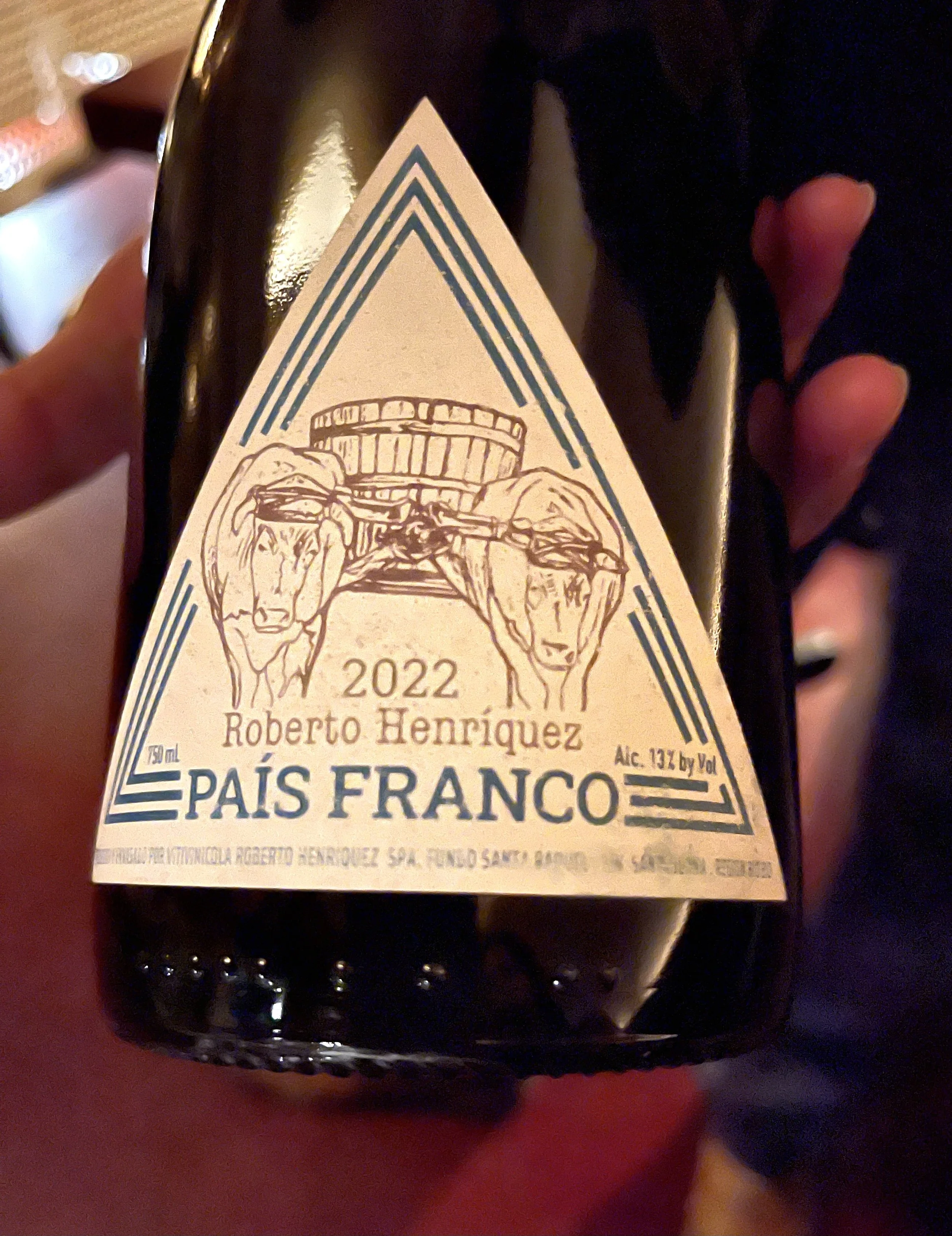
Roberto Henríquez País Franco 2022 – Roberto Henríquez is highly regarded for reviving ancestral winemaking traditions in the Bío Bío and Itata valleys, producing natural, low-intervention wines from 100- to 200-year-old vines. The winery’s País Franco (the one Liza and I fell in love with) has a translucent ruby-red color that was striking in the glass, followed by a burst of fragrant aromas and a vivid, textured, complex palate. ($27)
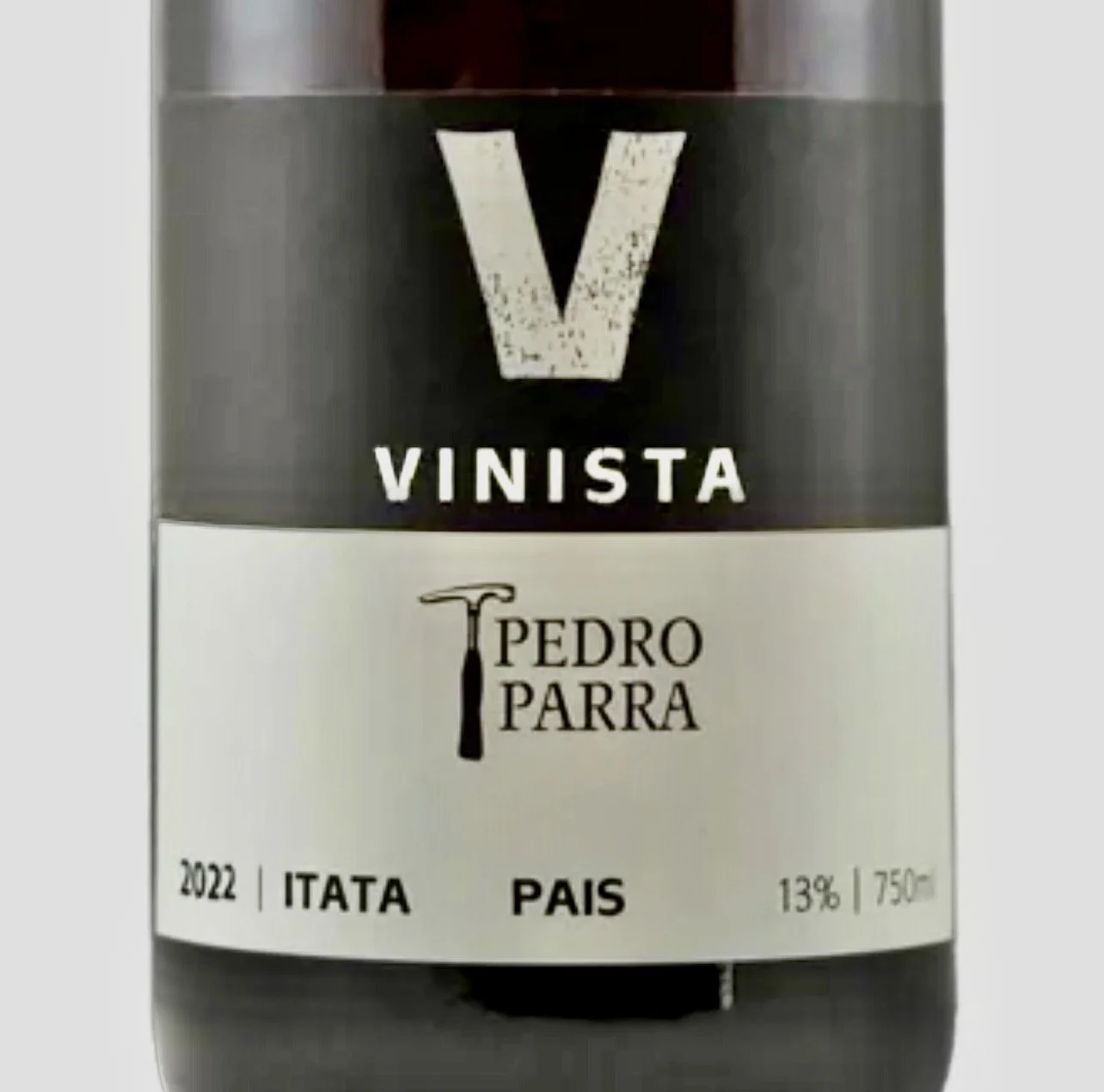
Pedro Parra Vinista País 2023 – Legendary winemaker Pedro Parra has brought a new vision to the Chilean wine industry by searching for quality terroirs and developing new plantings throughout the country. The Wine Advocate calls this wine “Outstanding. It's the finest Vinista to date.” ($24)
These aren’t rustic bulk wines anymore. They’re thoughtful, site-driven expressions of a grape that’s finally being taken seriously again. País wines are an excellent value for what’s in the glass—perfect for adventurous tasters like Liza, but really anyone curious enough to try something new.
Is that you?!