
Sekt Appeal: Germany’s Got It!
/Germany is a nation of sparkling wine lovers. Germans drink more sparkling wine per capita than anyone else in the world, and of the nearly 2 billion bottles produced each year globally, about one-fifth are consumed in Germany. The country also produces about 370 million bottles of its own sparkling wine, called Sekt, most of which never leaves the country.
But not all Sekt is created equal. Much of what Germans drink is inexpensive, mass-market sparkling wine, and for years the category wasn't known outside Germany. That has been changing. Over the past few decades, more German producers have been making high-quality Sekt, and the word is getting out.
At a recent tasting of four Sekts, Sam Neely, Sommelier at Eleven Madison Park and 2024 Best Young Sommelier USA, was enthusiastic about where the category is headed. “In the last 40 years or so, Germany's really revolutionized what they're doing, and are now making some of the most exciting sparkling wines in the world,” he said.
Despite this surge in excellence, Sekt is still far from well known outside Germany. Today’s wine drinkers look beyond the big commercial sparkling brands, and they're finding great options from places like Spain (Cava), France (Crémant) and even England, often at a fraction of the price of Champagne.
Sekt belongs in that conversation, but finding the good stuff in the U.S. can be a challenge. For Americans, that makes finding a great bottle more about knowing what to look for and being willing to hunt it down.
Two Methods, Two Different Wines.
German Sekt can be produced in one of two ways. In the Charmat method, the second fermentation happens quickly in a large tank, locking in fresh, fruity aromatics. It's the method behind Prosecco, and it's how 95% of Sekt is made, much of it being nothing to write home about. The traditional method, on the other hand, ferments a second time inside the bottle, then ages on the lees (residual sediment left after wine fermentation), the same process as used in Champagne.
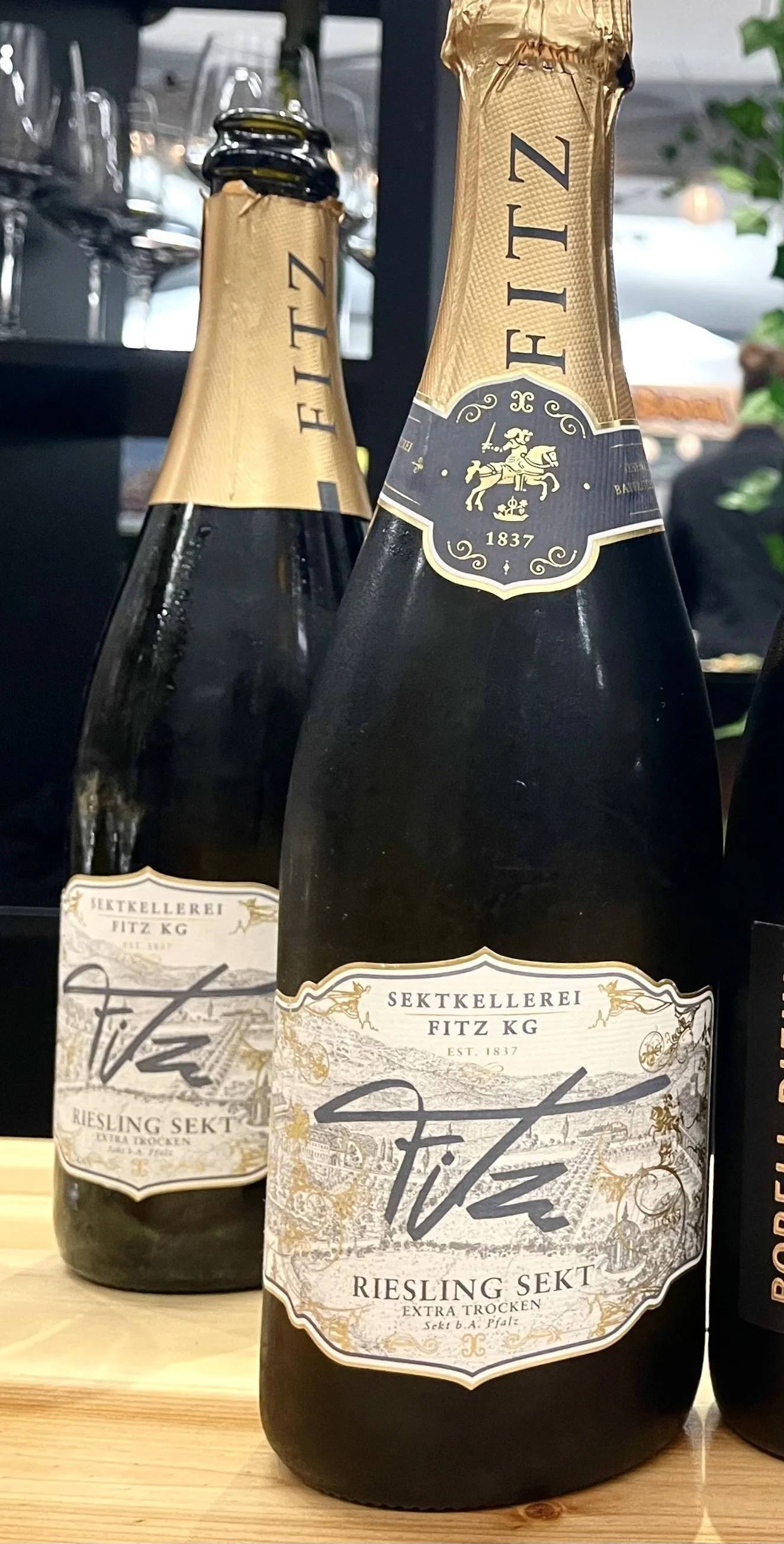
The first wine that Neely poured was made by the Charmat method. Fitz Riesling Sekt Extra Trocken ($25) is an organic wine from the Pfalz region. It tasted floral, fruity, and fresh, made from quality grapes from top vineyard sites. A touch of residual sugar, about 3 grams per liter, balances Riesling's naturally high acidity without adding a sweet taste; it's dry and crisp, a natural fit as an apéritif or alongside cheese and charcuterie, especially spicier meats.
“There are a few main grape varieties used in German Sparkling wine,” says Neely, “Riesling is the flagship, and there is practically nowhere else in the world making sparkling wines from Riesling. They're uniquely German, fruity, fresh, easy to drink, and they go with all kinds of food.”
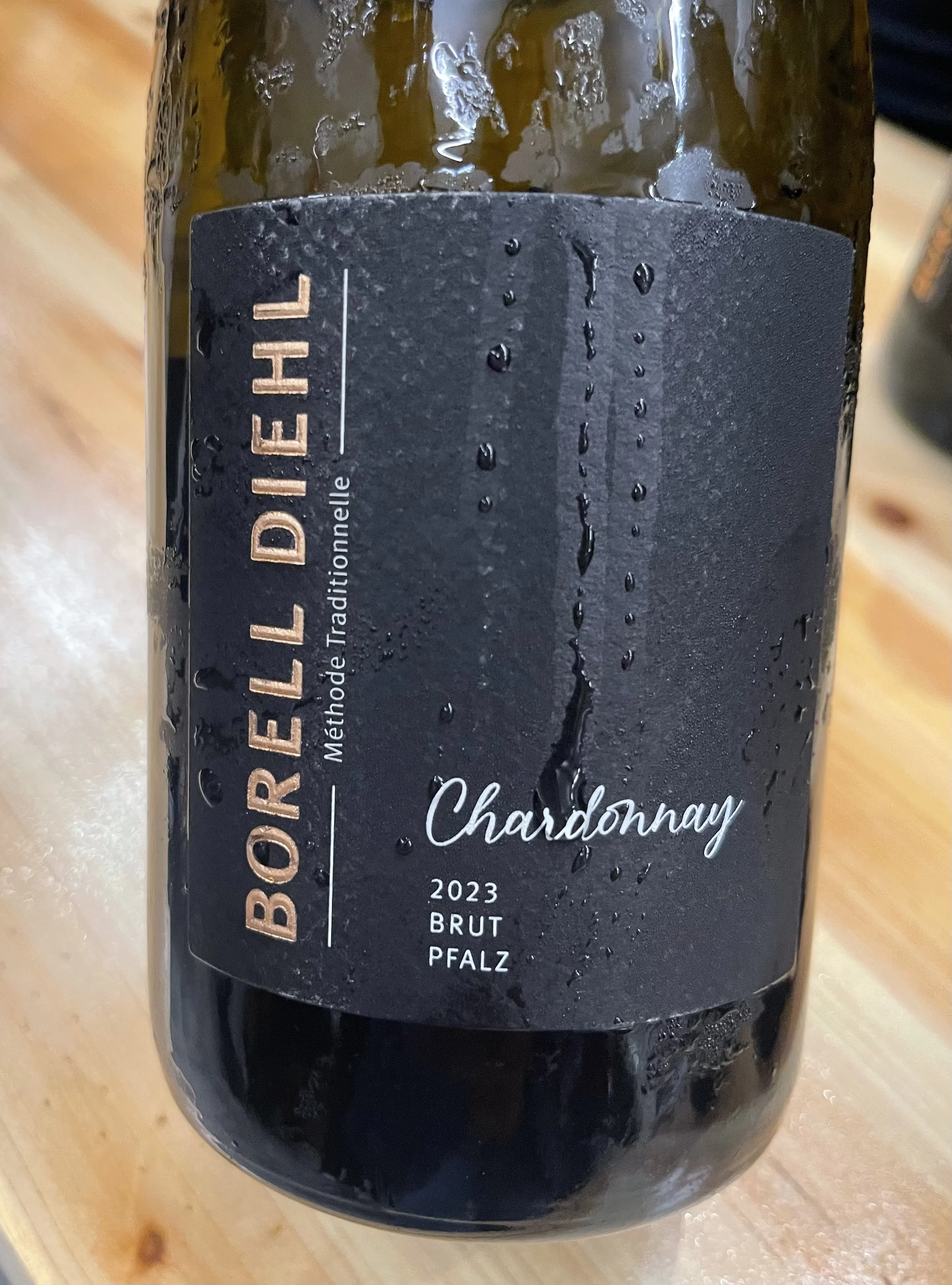
The second wine in the lineup, Borell Diehl Chardonnay 2023 Brut ($26), also comes from the Pfalz. But this one is made in the traditional method and from 100% Chardonnay, another variety often used for German Sparkling wine. As a result, it is less overtly aromatic and fruit-forward than the Fitz, with a creamier texture and more structure and nuanced flavors: fruit, mineral, and savory. This wine pairs well with a variety of light, savory dishes like oysters on the half shell, as well as slightly richer dishes, such as pan-seared scallops.
Champagne-Influenced
The history of Sekt starts in Champagne. According to Neely, German winemakers initially came to Champagne in the late 18th and 19th centuries to handle the bookkeeping, accounting, and other business matters for French producers. But they eventually wanted to do more. “The Germans got bored of paperwork and wanted to make their own wines,” he said.
Several well-known Champagne houses, including Bollinger, Krug, and G.H. Mumm, have German origins. Eventually, some of these winemakers returned to Germany, bringing their sparkling wine experience with them. In 1826, Georg Christian Kessler made the first sparkling wine in Germany, putting the country's Sekt tradition on a path that now stretches back about 200 years. The industry didn't really develop, however, until the 1930s, Neely said, after taxes and wars slowed its progress.
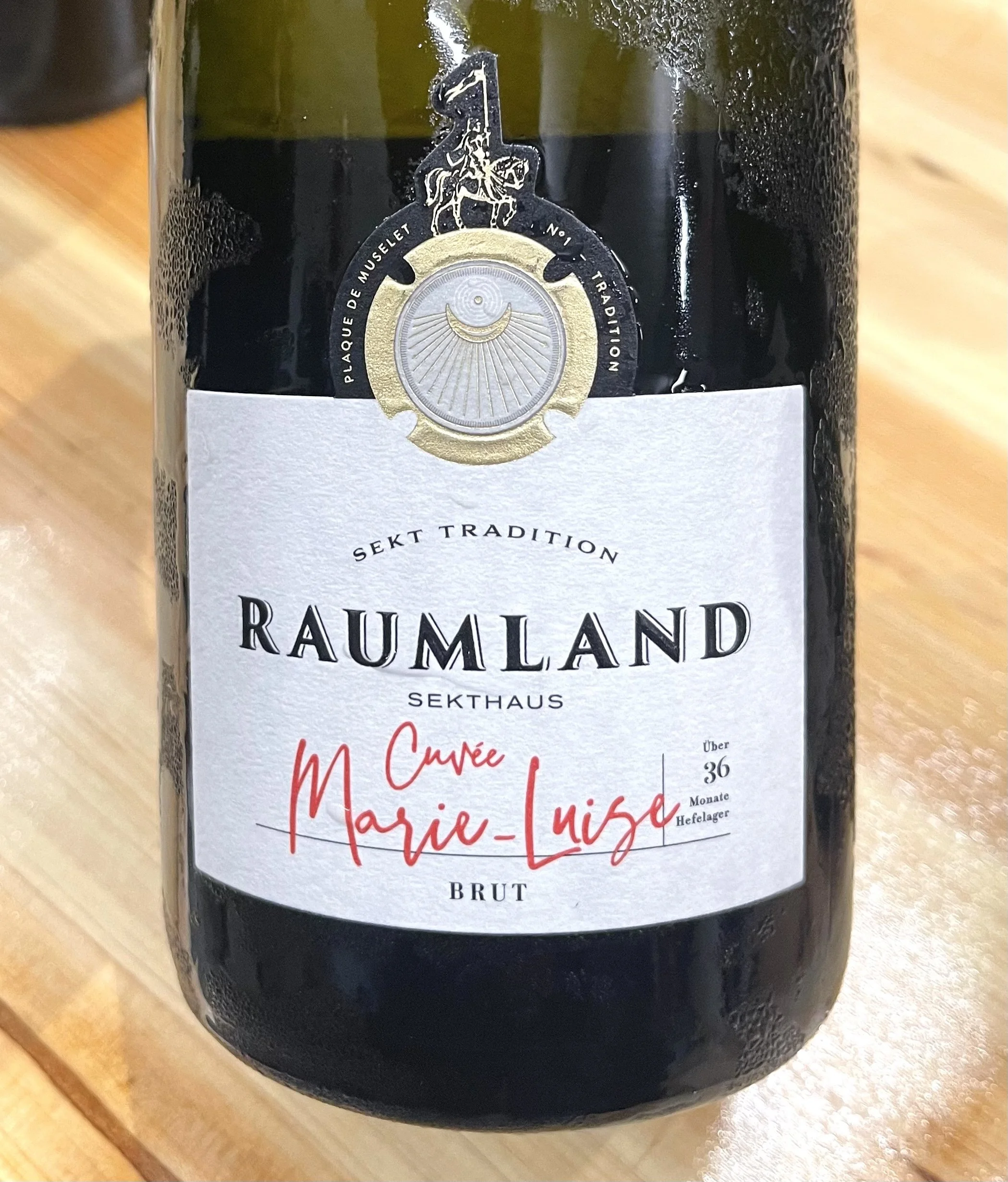
The modern quality movement is much newer, driven in part by producers like Georg J. Raumland, who built the first German winery producing only sparkling wine. The Raumland 2019 Cuvée Marie-Luise Brut ($78), aged over 36 months on the lees, showed why Raumland’s bet paid off with its zingy acidity, fine bubbles, and notes of brioche and lemon curd. This is a wine that you could drink throughout an entire meal.
Neely also noted how ageability is one of the things that makes these wines particularly exciting. “With time, they gain texture and complexity while holding onto the acidity that keeps them fresh,” he said.
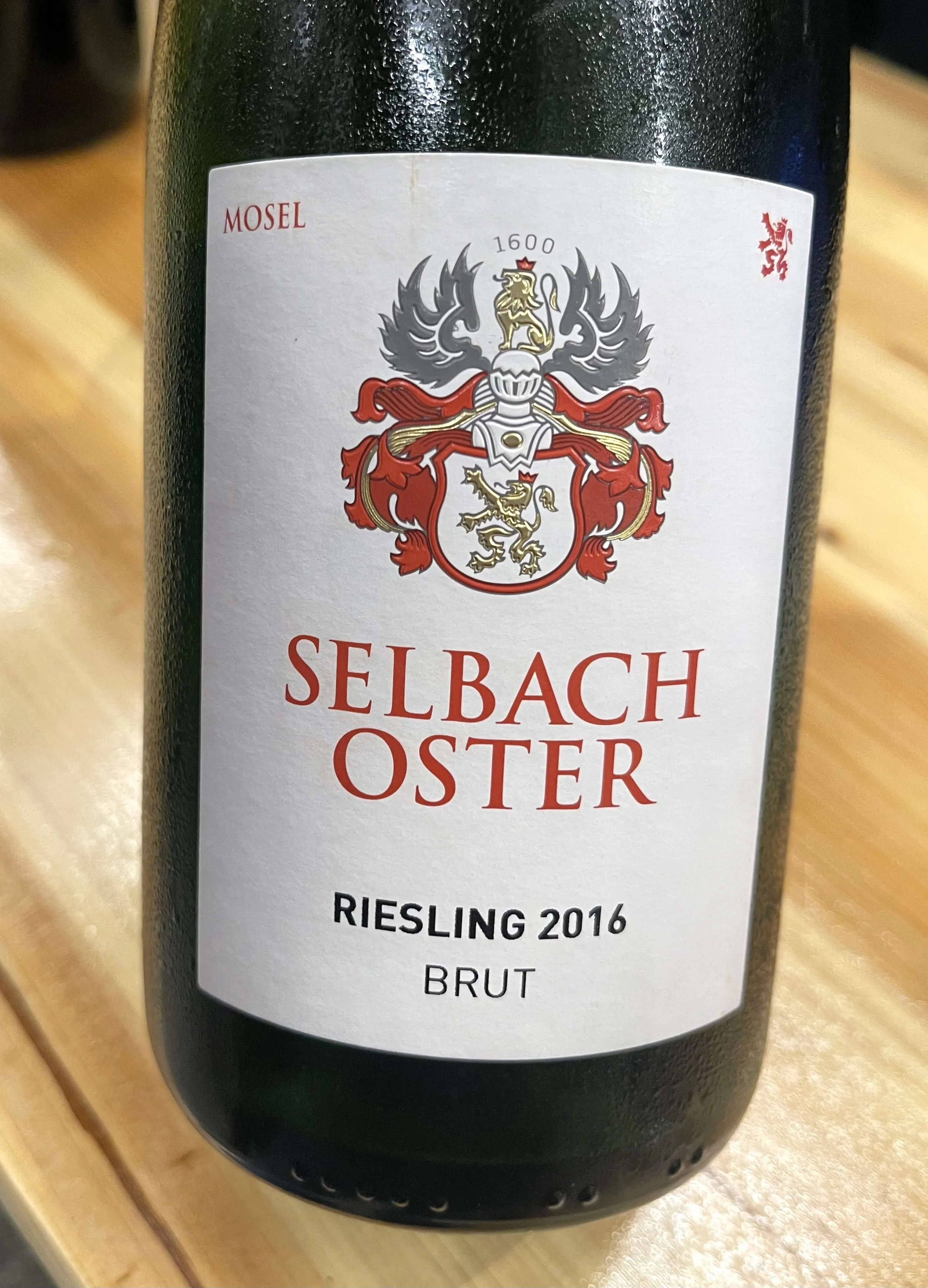
The next wine we tasted shed even more light on the Sekt’s aging possibilities. The Selbach-Oster Riesling Brut 2016 ($37), a carefully made 10-year-old Sekt, had clearly held onto its elegance. Its beautiful aromas and flavors of green apple, pear, and citrus, with hints of honey, white flowers, and brioche, are balanced by lively, crisp acidity. This historic Mosel producer is known for still Riesling, but has also spent many years making sparkling wine.
What’s on the Label
Unlike Champagne, for example, which must come from a specific place, use permitted grapes, and follow specific production rules, “Sekt” is a broad designation for sparkling wine sold as German Sekt.
Quality varies widely within that category. Basic, mass-market Sekt can be made from grapes or base wine sourced anywhere in the European Union (much of it comes from Spain) and doesn't have to carry a protected designation of origin. At the other end are small-production wines made from German grapes using the traditional method.
German wine law gets more specific as you move up the quality ladder. Sekt b.A. (bestimmter Anbaugebiete) identifies Sekt from one of Germany's 13 wine regions, such as the Pfalz or Mosel, but doesn't necessarily indicate how the wine was made or how long it was aged. Germany's leading producers' association, the VDP, introduced its own Sekt classification in 2020. At the top is VDP Sekt Prestige, which requires traditional bottle fermentation, estate-grown, hand-picked grapes, and at least 36 months of aging on the lees before release.
Those designations can help, but for American consumers, figuring out a bottle's quality isn't always that simple. Price can be one clue: if you're looking for more serious Sekt, a $7–$10 bottle is probably not the place to start. But don't assume that traditional bottle fermentation is the only route to good Sekt, or that bigger producers can't make good wine. Some medium-sized producers care about their grapes and winemaking, and the Charmat method can make fresh, aromatic Sekt that is well worth drinking. Look for a producer that takes the wine seriously, rather than relying on production method or size alone.
You don't need to know all the ins and outs of Sekt classifications to enjoy these wines. What stood out from the tasting is that Germany has a growing number of producers making seriously delicious Sekt, and those bottles are increasingly appearing on wine lists and retail shelves outside the country. Germany may be best known for its still Riesling, but its sparkling wines are worth a closer look.