

Six Stops, One Island: Traversing Sicily With Nero d’Avola
/Sicily is a huge island, the largest in the Mediterranean Sea, and crossing it takes several hours. Along the way, its scenery constantly shifts, from mountains and fertile plains to scrubland, river gorges, Mount Etna, and long coastline stretches of white cliffs and sandy beaches.
One of the best ways to understand Sicily and its wine culture is to hop in a car and hit the road, stopping to taste as you go. Maybe you’re already planning a visit to this amazing island in the near future (lucky you!), but if not, here’s a virtual tour, with an eye (and a nose and a mouth!) on its most planted variety, Nero d’Avola.
Covering about 30,000 acres, Nero d’Avola is a red grape that thrives across Sicily’s varied terrain. It’s remarkably adaptable, shifting character with place. Clay-grown wines tend to be darker and richer, while limestone and sand bring brighter red fruit and a mineral edge. Even in Sicily’s heat, cooling sea breezes help the grape retain its natural acidity, keeping the wines fresh, food-friendly, and capable of aging.
Today’s best Nero d’Avola wines are typically medium to full-bodied reds with bright acidity and firm, silky tannins. Younger or unoaked versions are juicy and fruit-forward, appealing to Pinot Noir lovers, while oak-aged examples, still fruit-dominant, develop savory depth, with notes of coffee, cocoa, and spice.
Often bottled on its own, Nero d’Avola also plays a key role in blends, from the Cerasuolo di Vittoria DOCG (blended with Frappato) to numerous DOC and IGT wines, where it partners beautifully with Syrah and Cabernet Sauvignon.
Think of this journey as a road trip in a glass. We’ll start in the northwest near Palermo and make our way south and east, where Nero d’Avola reveals a different side of itself at every stop.
Now buckle up and let’s get going!
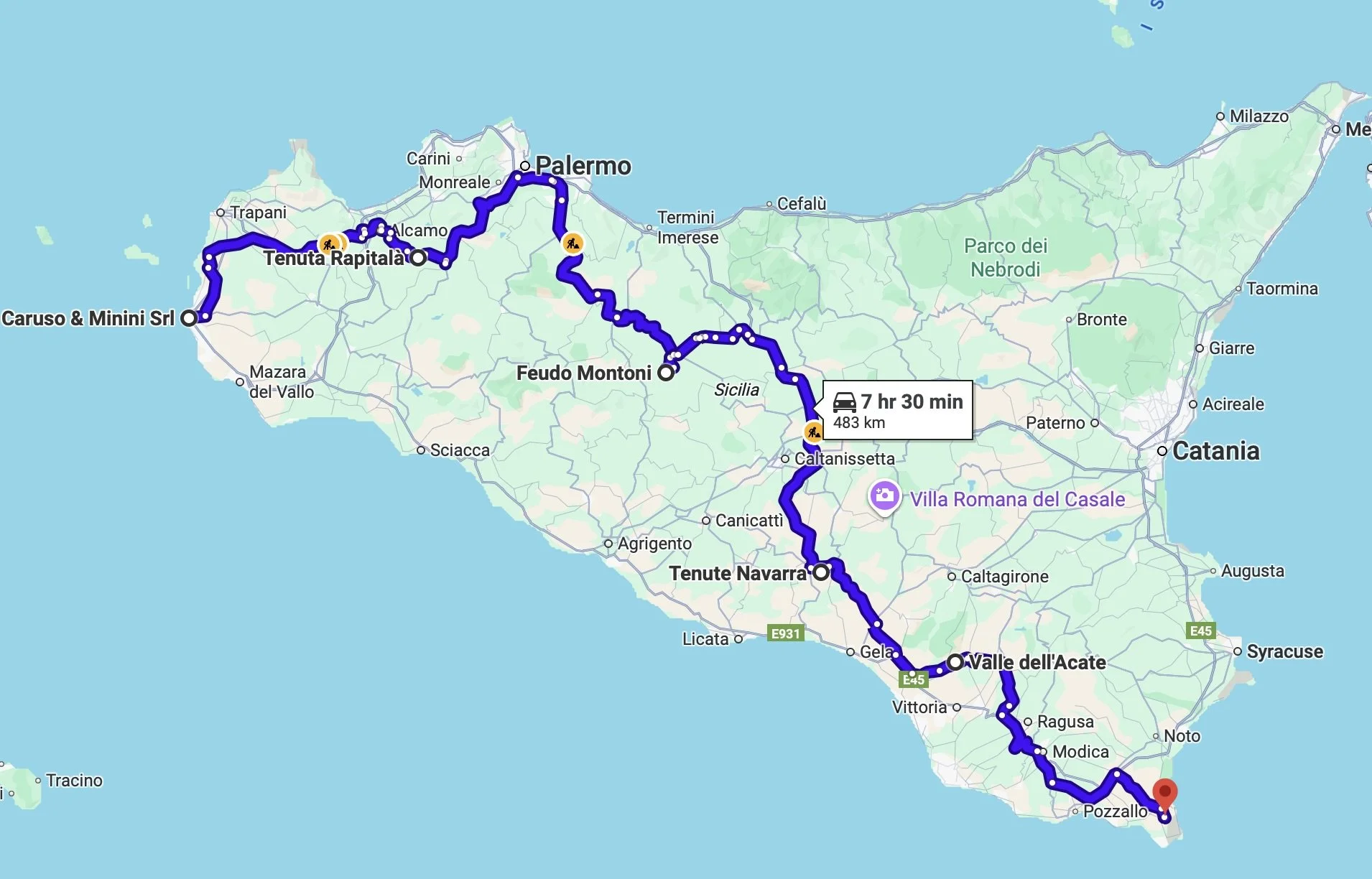
The route starts all the way west and ends at the southeast tip of the island.
Note: You won’t find Mount Etna (in Sicily’s northeast corner, just above Taormina) on this itinerary. Although some Nero d’Avola is planted there, Etna is primarily home to Nerello Mascalese and Nerello Cappuccio, varieties that produce wines with a very different style from Nero d’Avola. To learn more about Etna and its wines, click here.
Trapani Province, Western Sicily
Caruso & Minini Nero d’Avola Naturalmente 2021 ($18)
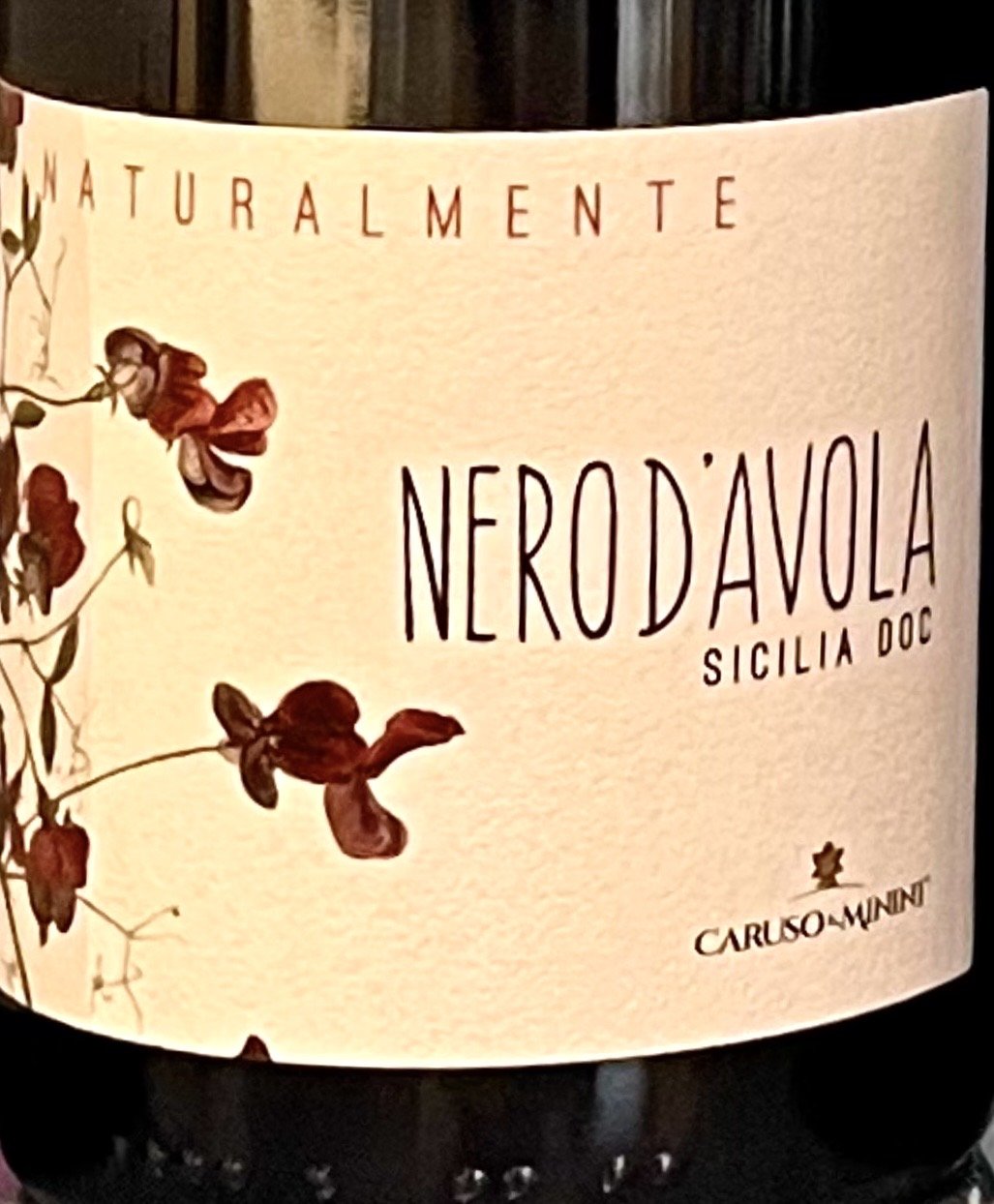
We begin on Sicily’s western-most coast near the town of Marsala, where Nero d’Avola often reflects the influence of sun, sea, and steady coastal winds. Wines from this area tend to be open and expressive, with ripe red and black fruit, moderate structure, and a subtle saline edge that brings freshness.
Caruso & Minini Nero d’Avola Naturalmente 2021 is a clear example of the style. Made from organically grown grapes with minimal intervention, it shows juicy cherry and plum, hints of wild herbs, and bright acidity that keeps the wine lively and food-friendly. This well-balanced wine with soft tannins is a reminder of how naturally (naturalmente!) Nero d’Avola fits into everyday Sicilian wine culture. Try it with zuppa di pesce, fish soup with a rich tomato broth.
Palermo Province, Northwestern Sicily
Tenuta Rapitalà Alto Reale 2024 ($15)
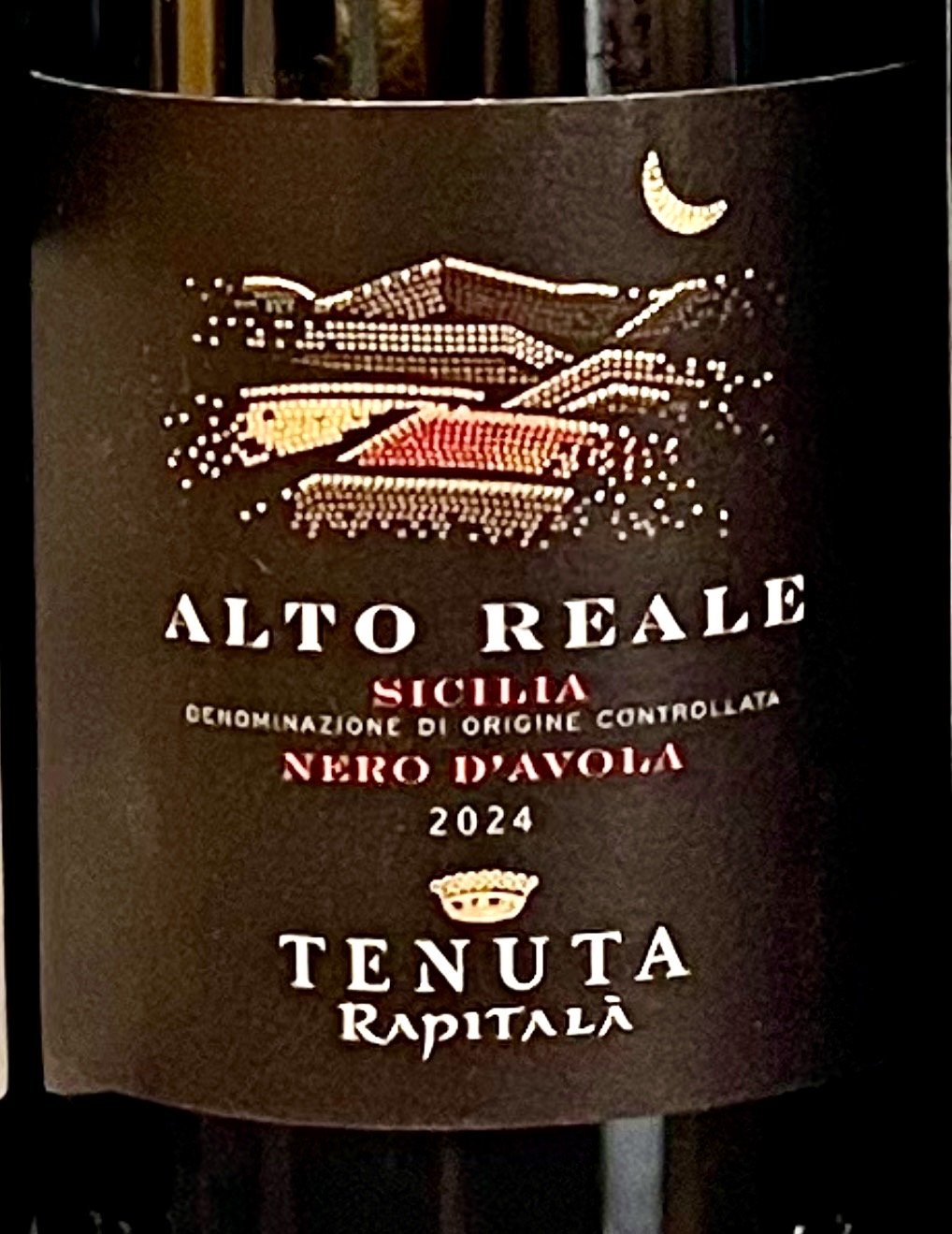
Next, we will find ourselves in the hills outside Palermo, in the town of Camporeale, where the grape often shows a lighter, fresher side. Wines from this area tend to focus on red fruits like cherry, raspberry, and plum, with softer tannins and an easy, juicy drinkability, sometimes edged with gentle herbal notes thanks to cooler hillside sites.
Tenuta Rapitalà Alto Reale Nero d’Avola 2024 is grown at higher elevations (1,300–1,700 feet), where cooler nights and coastal influence preserve freshness. Wide day-to-night temperature swings build aromatic lift and lively acidity, while organic farming, gentle handling, and restrained oak let the wine’s purity and fine tannins shine. Expect ripe cherry and plum, touches of wild herbs, and soft, dusty tannins. Medium-bodied, balanced, and refreshingly restrained at 13.5% ABV. Perfect with grilled and roasted meats like ribeye, lamb chops, duck, pork loin, and hamburgers. Also pairs well with vegetarian lasagna and eggplant Parmigiano.
Agrigento Province, Central Sicily
Feudo Montoni Vrucara Nero d’Avola 2020 ($48)
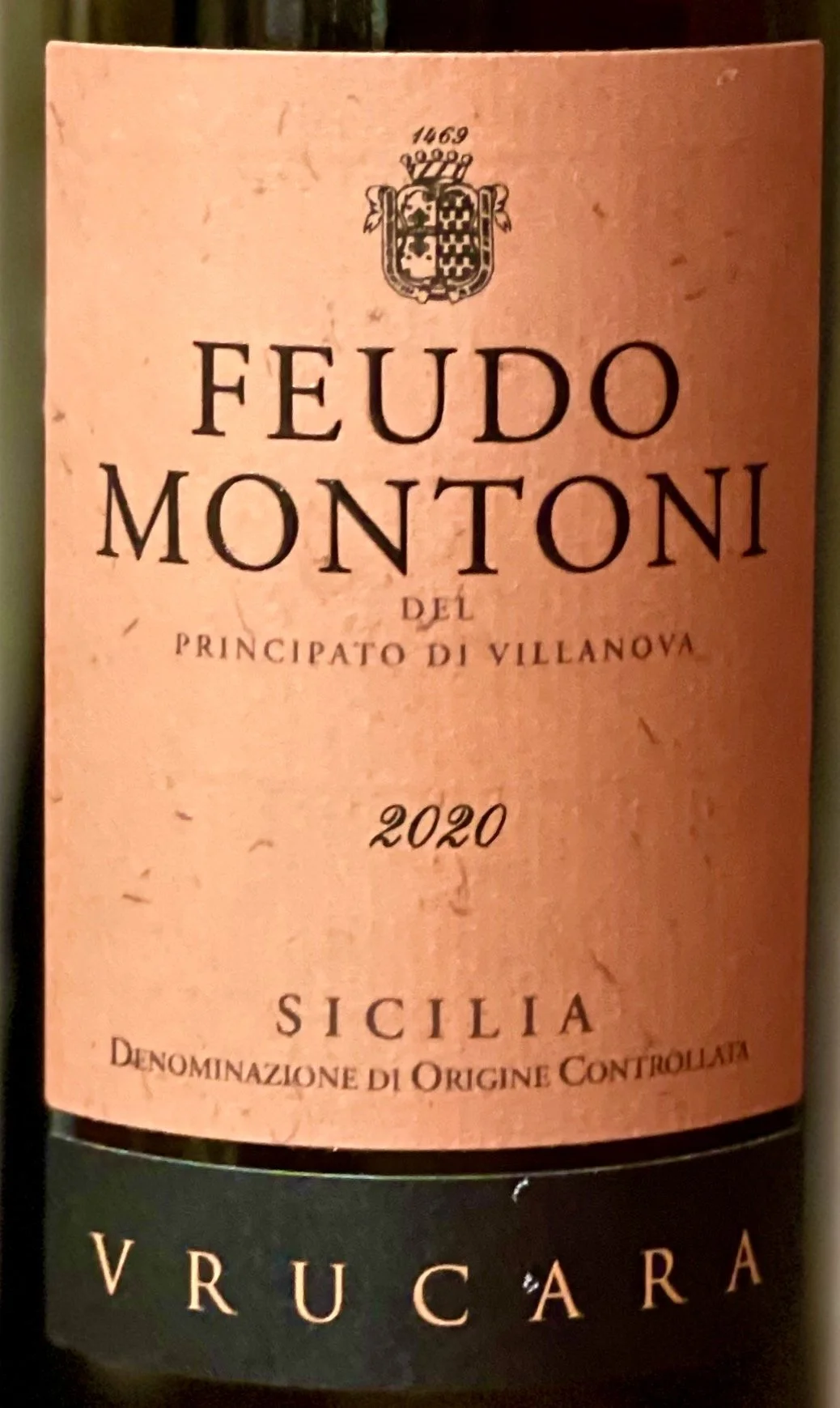
Heading southeast into Sicily’s interior, the landscape becomes more rugged and remote. Nero d’Avola from Agrigento, in central Sicily, often produces a more robust, full-bodied style, driven by intense red fruit, strong structure, and naturally high acidity, quite different from the leaner expressions found in cooler coastal areas or the fresher, spicier wines of the southeast.
Feudo Montoni Vrucara reflects this inland character, but with added finesse thanks to old vines grown at high altitude, where cool nights preserve freshness and aromatic lift. The wine unfolds with dark cherry, blackberry, dried herbs, and subtle spice. Firm yet refined tannins give it depth, while the altitude keeps the wine balanced and expressive. This is a wine you’ll enjoy with a rich winter stew or a hearty Sicilian dish like Pasta alla Norma.
Caltanissetta Province, Southern Coast
Tenute Navarra Scurò Nero d’Avola Sicilia DOC 2022 ($17)
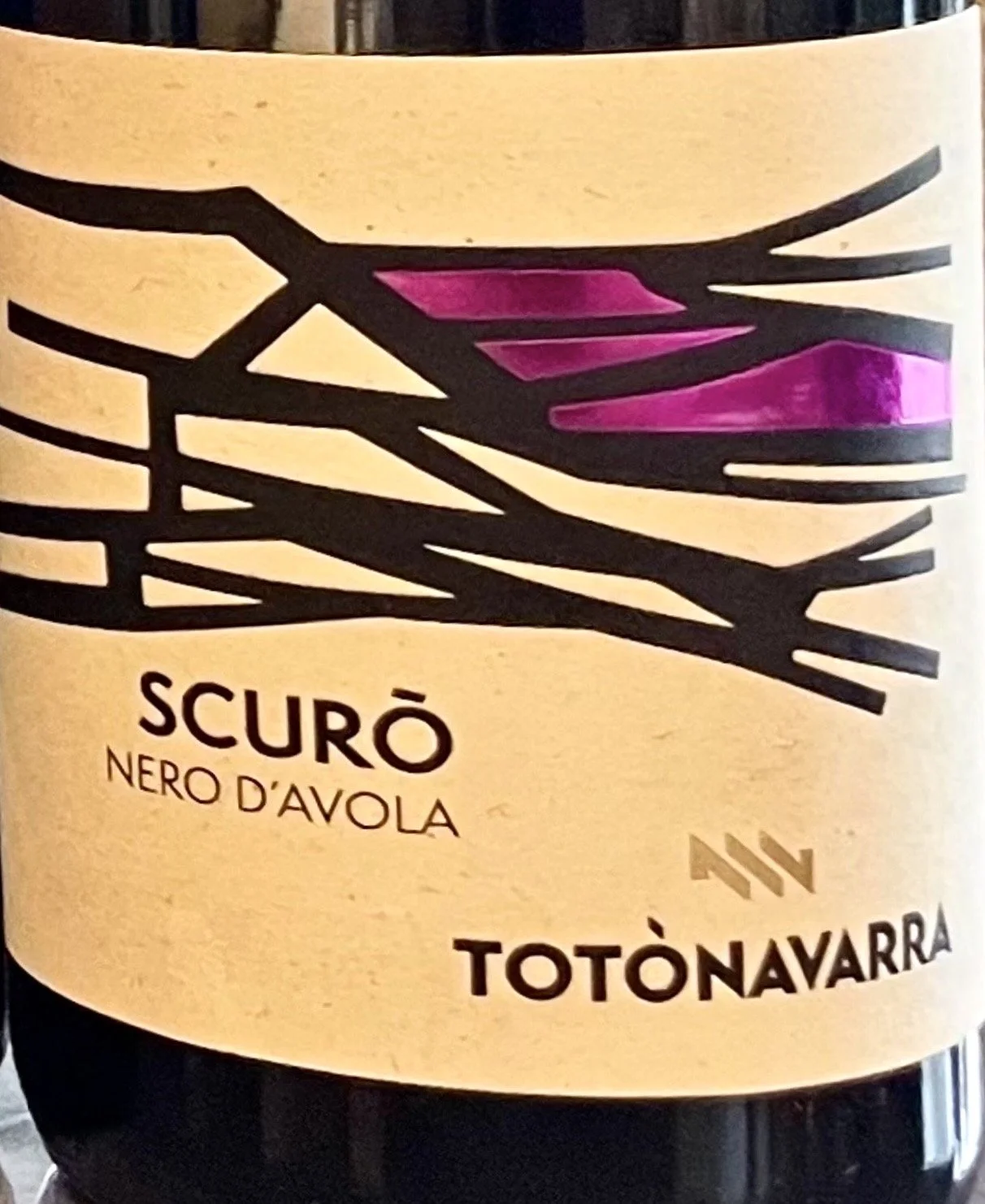
From here, the journey continues toward the southern coast, into the Caltanissetta Province, where Nero d’Avola often shows a more savory, structured side. This part of Sicily sits between inland heat and maritime influence, and the wines tend to be less overtly fruity than those from deeper inland areas, with more emphasis on spice, earth, and texture.
Tenute Navarra Totònavarra Scuro 2022 opens with notes of dried herbs, cocoa, and dark spice, followed by restrained dark fruits (black cherry and plum). The palate’s firm but well-integrated tannins and subtle coastal freshness keep the wine precise and food-driven. Try it with a meaty fish like swordfish or tuna.
Ragusa Province, Vittoria, Southeastern Sicily
Valle dell’Acate Il Moro Nero d’Avola 2021 ($23)
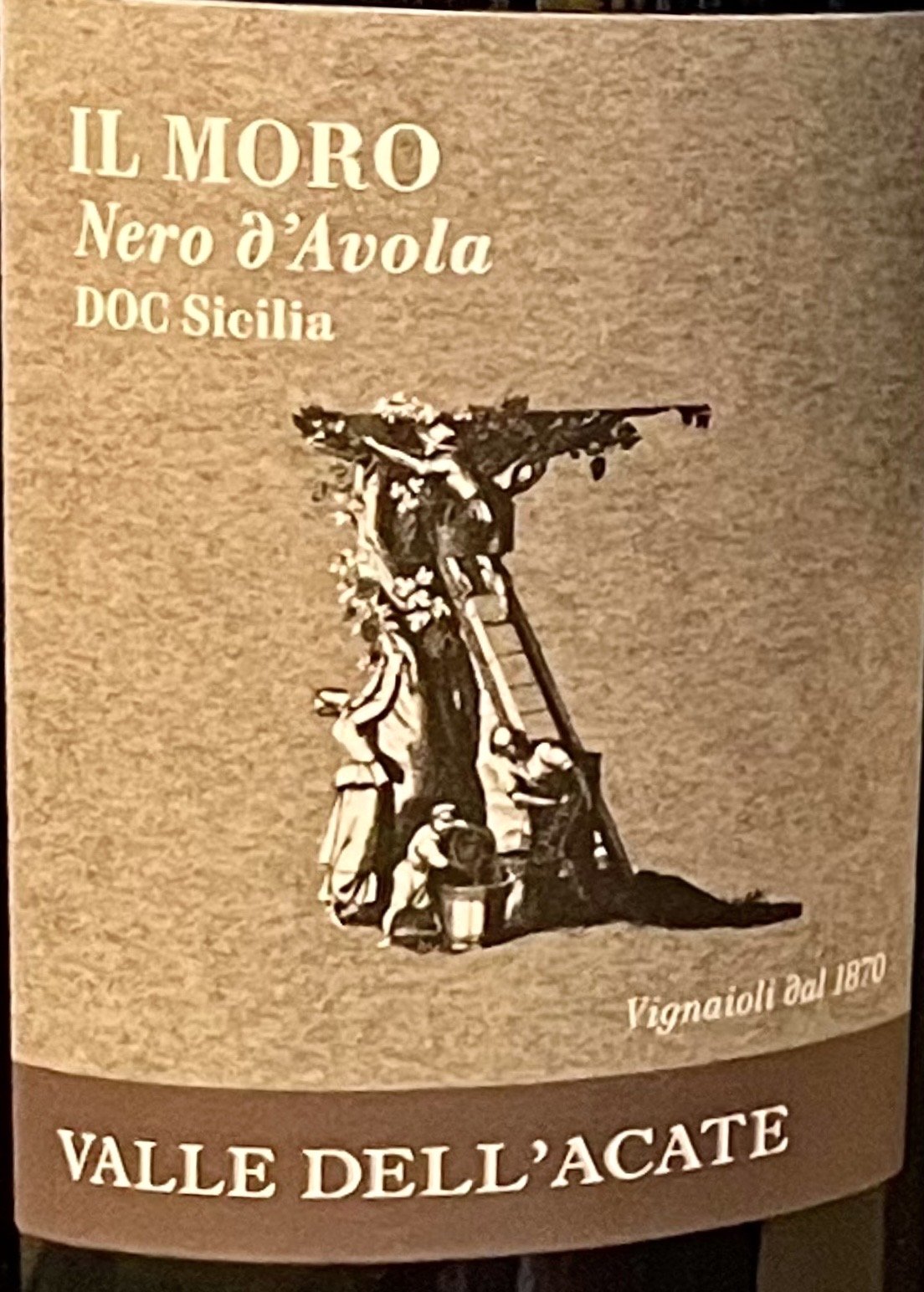
Next, we stop in Vittoria, where Nero d’Avola shows a distinct personality. 100% Nero d’Avola wines (Vittoria DOC) offer dark fruit, such as plum, cherry, and blackberry, alongside spicy notes like licorice and tobacco, floral hints, and softer, finely textured tannins. The region’s sandy soils and cooler microclimate help the grape achieve a more elegant, nuanced style, balancing power with finesse.
Valle dell’Acate Il Moro 2021 brings this profile to life in the glass: cherry and plum on the nose, medium-plus tannins with a touch of tangy brightness, and a long, dusty finish. While DOCG Cerasuolo di Vittoria blends up to 40% Frappato with Nero d’Avola, this 100% Nero d’Avola shows the grape’s complexity and finesse on its own. Try it with herb-crusted rack of lamb.
Syracuse Province, Southeastern Tip
Gulfi NeroBufaleffj 2019 ($48)
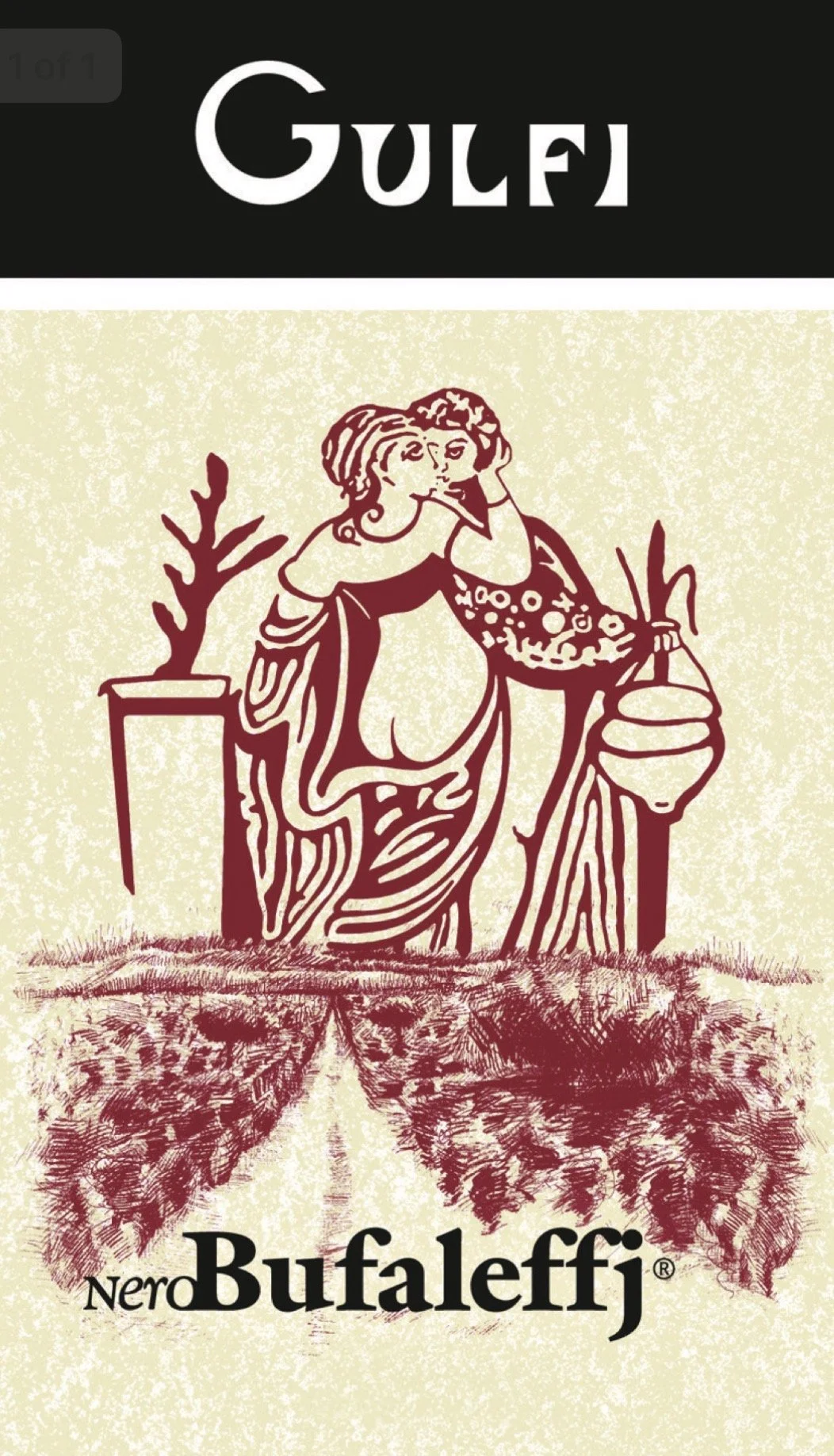
Our final stop is Pachino in Val di Noto, Sicily’s southernmost tip, not far from Avola, where Nero d’Avola originates—hence the grape’s name. Here, it basks in full sun and coastal breezes, producing fuller-bodied, dark-fruited wines with rich texture and firm tannins, balanced by bright acidity.
Gulfi NeroBufaleffj 2019 is a prime example of the grape at its peak. Layers of black fruit unfold alongside savory, mineral-driven notes, carried by velvety, finely knit tannins that gain depth as the wine opens in the glass. It’s a striking wine that underscores why Gulfi is one of Sicily’s most important voices for Nero d’Avola. A natural match for rich dishes like lamb ragù with pappardelle.
Hope you had a great trip!
Traveling across Sicily, Nero d’Avola shifts with the landscape while staying true to its core. Each wine tells its own story, and together they form a journey that’s enjoyed sip by sip.
A big thank you to Colangelo & Partners for providing me with samples of Nero d’Avola.