

What to Drink with Classic Roman Pastas: Carbonara, Cacio e Pepe, and Amatriciana
/Today The Wine Chef features a guest post by Kenny Dunn, founder of Eating Europe. Check out his bio at the end of the article.
Italian food was recently honored by UNESCO for its heritage and cultural value, and it’s about time. Just reading the words Carbonara, Cacio e Pepe, and Amatriciana is enough to make your mouth water. These iconic Roman pastas capture the spirit of Italy’s capital, which is exactly why the choice in your glass deserves just as much attention.
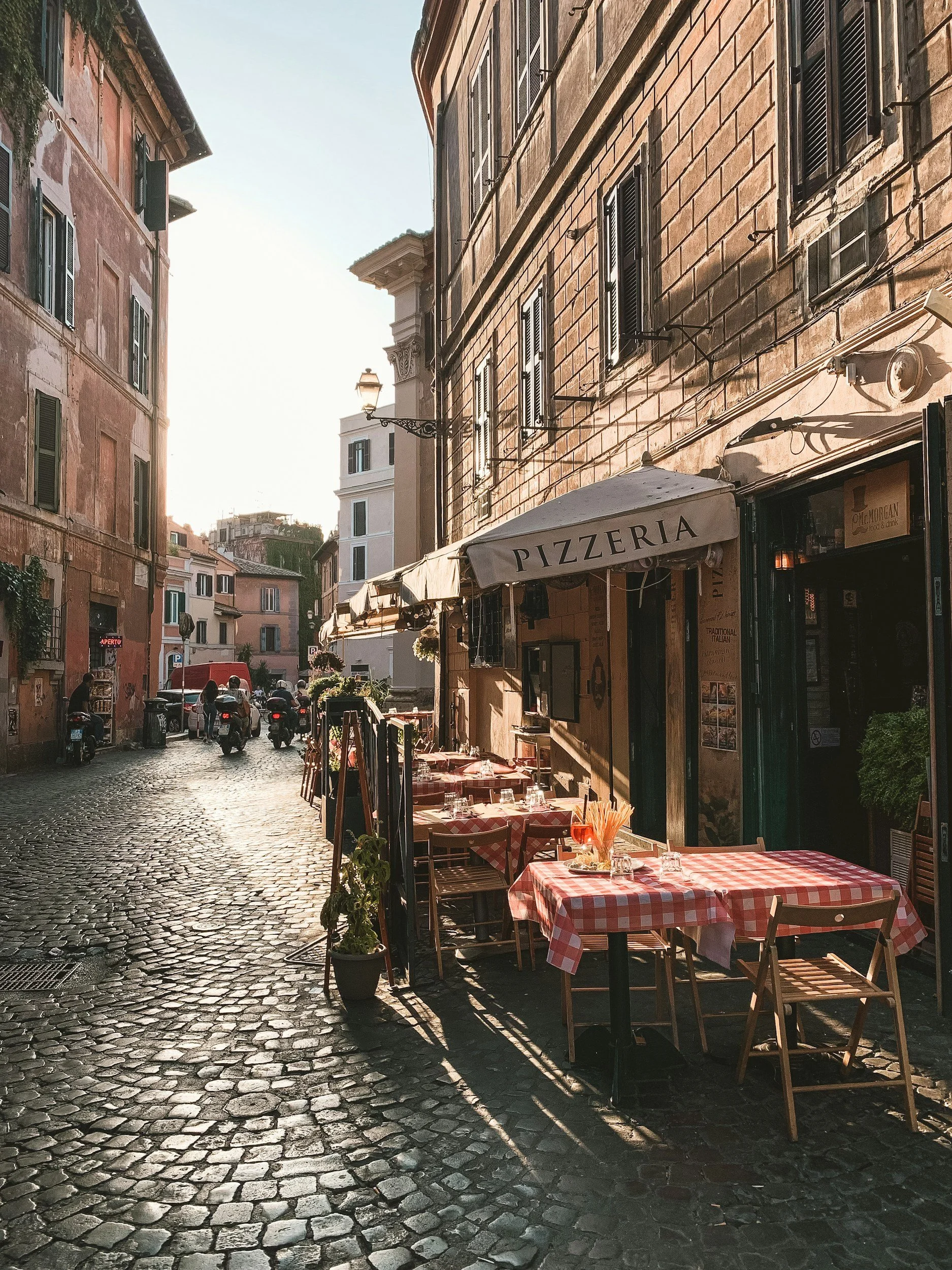
The Italians have always understood something essential: a great meal transcends the plate. It's the laughter around the table, the ambiance, the conversation, and yes, what's in your glass. Today, we're doing as the Romans do, treating our beverage selection with the same reverence we give our pasta choice.
How Your Drink Choice Adds to The Pasta Experience
A good pairing doesn’t compete with the food; it supports it. The right sip between bites can lift flavors, soften richness, and keep your palate engaged all the way to the last forkful. Roman pasta sauces tend to be rich, salty, and assertive. That means the best drinks bring acidity, freshness, and sometimes a touch of bitterness, rather than sweetness or weight. Think crisp, cleansing, and food-friendly.
Wine and Beer Pairings for Three Top Roman Pasta Dishes
Cacio e Pepe
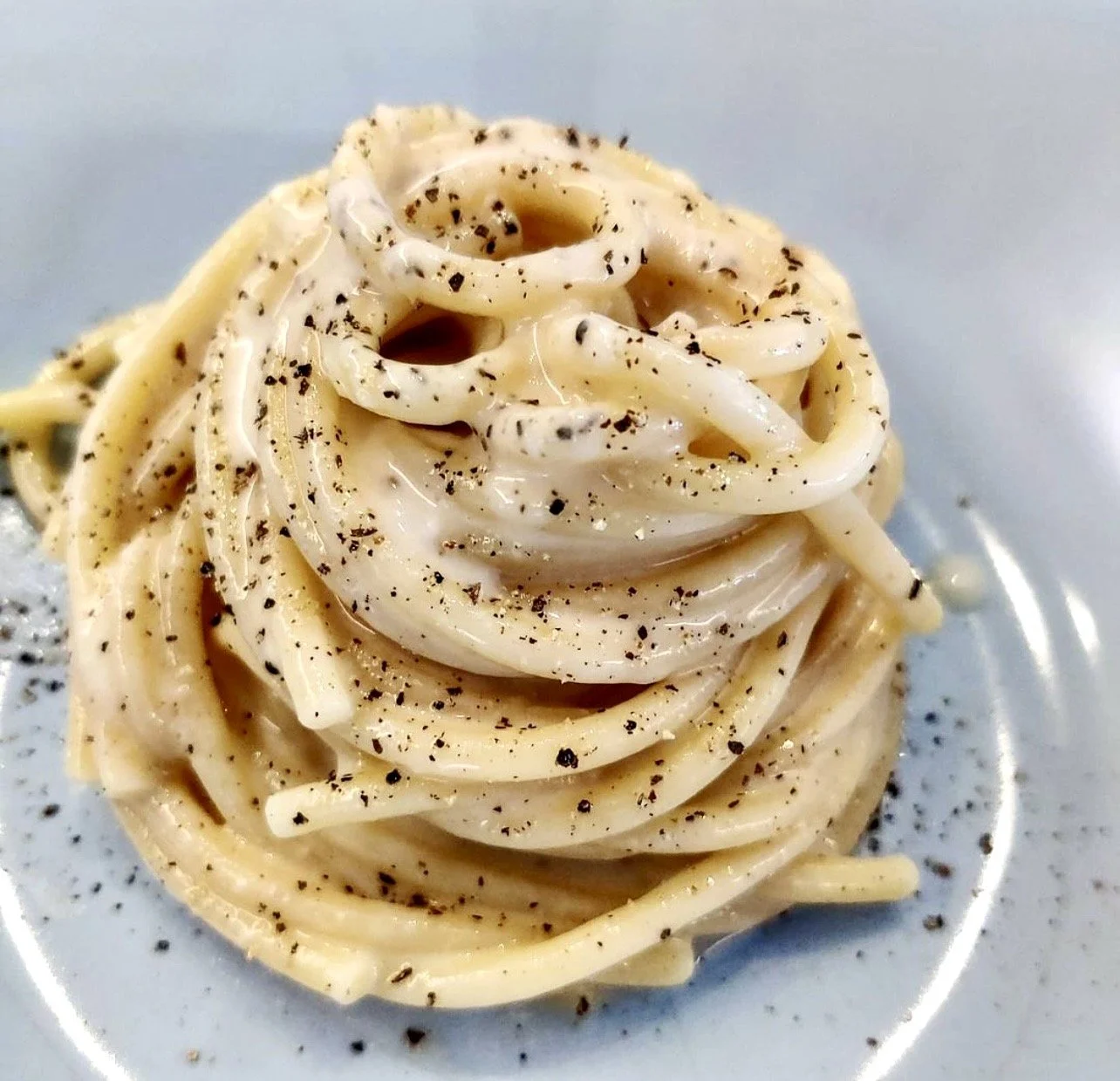
Photo: @cookwithlocals
Born in shepherds' pantries, where meals relied on inexpensive ingredients that kept well, Cacio e Pepe takes its name from its essentials: cheese and black pepper. Deceptively simple and humble in origin, it has become one of Rome’s most celebrated dishes. What arrives at the table is anything but modest: a silken, creamy pasta that coats the palate and delivers enough richness to demand a thoughtful sense of balance.
A crucial tip when preparing Cacio e Pepe: Before draining your pasta, reserve a little of the cooking water. That starchy liquid is the key to a smooth, silky sauce, as it helps the cheese emulsify and coat the pasta evenly. After tossing the hot pasta with the cheese and pepper, add a splash of the reserved water and stir until glossy.
Wine pairings: Reach for Vermentino, whose bright citrus and saline minerality cut through the richness like a sea breeze. Or try Barbera d'Asti, a red with lively acidity and gentle tannins that won't overwhelm the dish's elegant simplicity.
Beer pairings: A delicate Italian Blanche or a moderate-ABV option, such as Peroni (the original red label) or Birra Messina Lager, both at 4.7% ABV, complement the pasta's restraint while cleansing your palate.
Spaghetti Carbonara
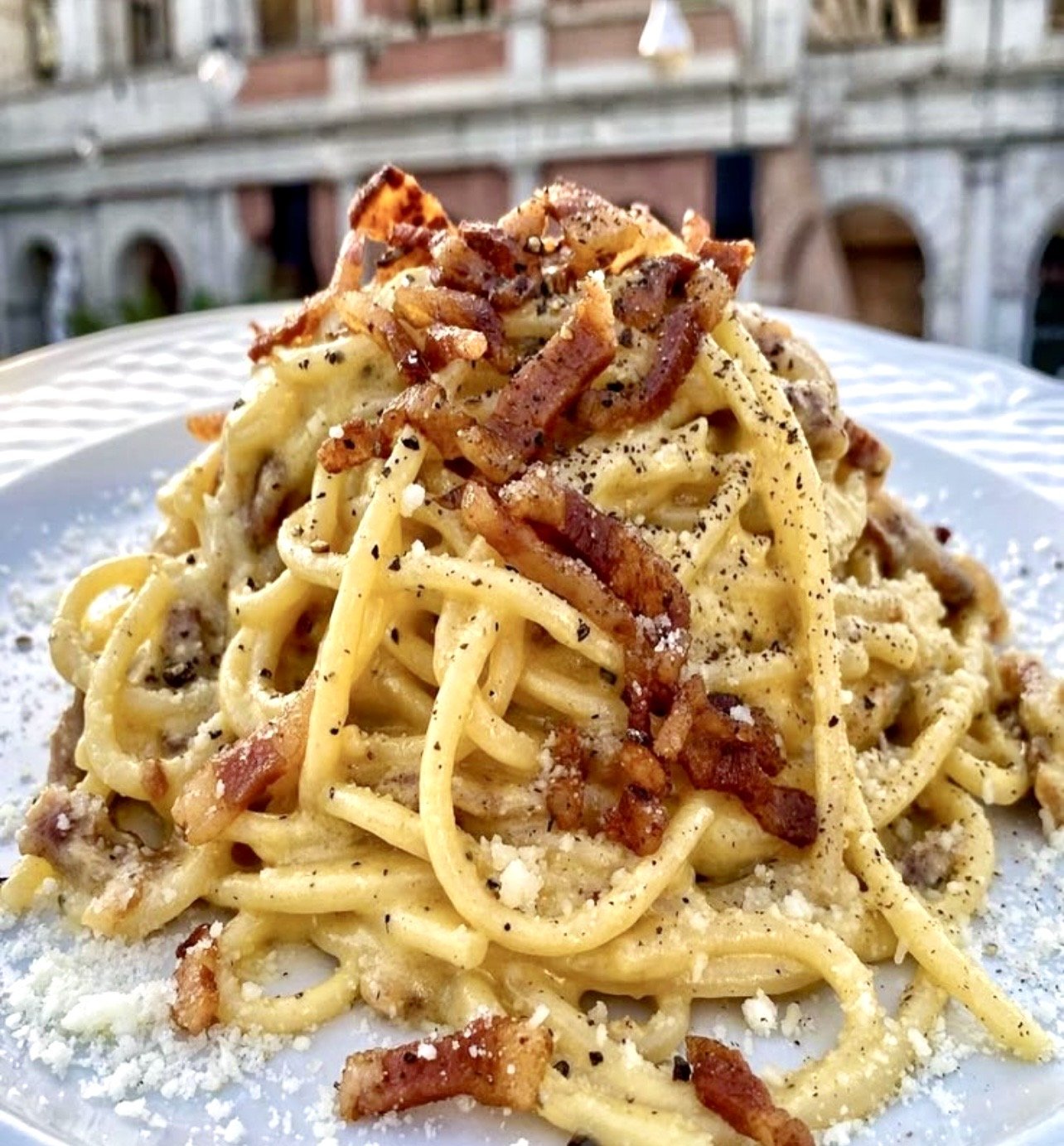
Photo: @vincenzosplate
The somewhat sweet, indulgent fattiness of egg yolk and guanciale. The saltiness of Pecorino Romano. The bite of freshly ground pepper. These are the elements that make up the iconic pasta dish, Carbonara. It’s almost hedonistic in its flavor and texture, which is why you want lift and acidity in the glass.
Wine pairings: Pinot Nero Brut brings sparkling freshness that lifts the heaviness. Frascati Superiore—born in volcanic soils just outside Rome—offers minerality and zip that feels like coming home. For red wine lovers, Bardolino DOC delivers dry, fruity drinkability without weight.
Beer pairings: Pale ales and pilsners act as palate cleansers, their crisp profiles allowing you to appreciate every creamy, peppery bite without fatigue.
Bucatini all’Amatriciana
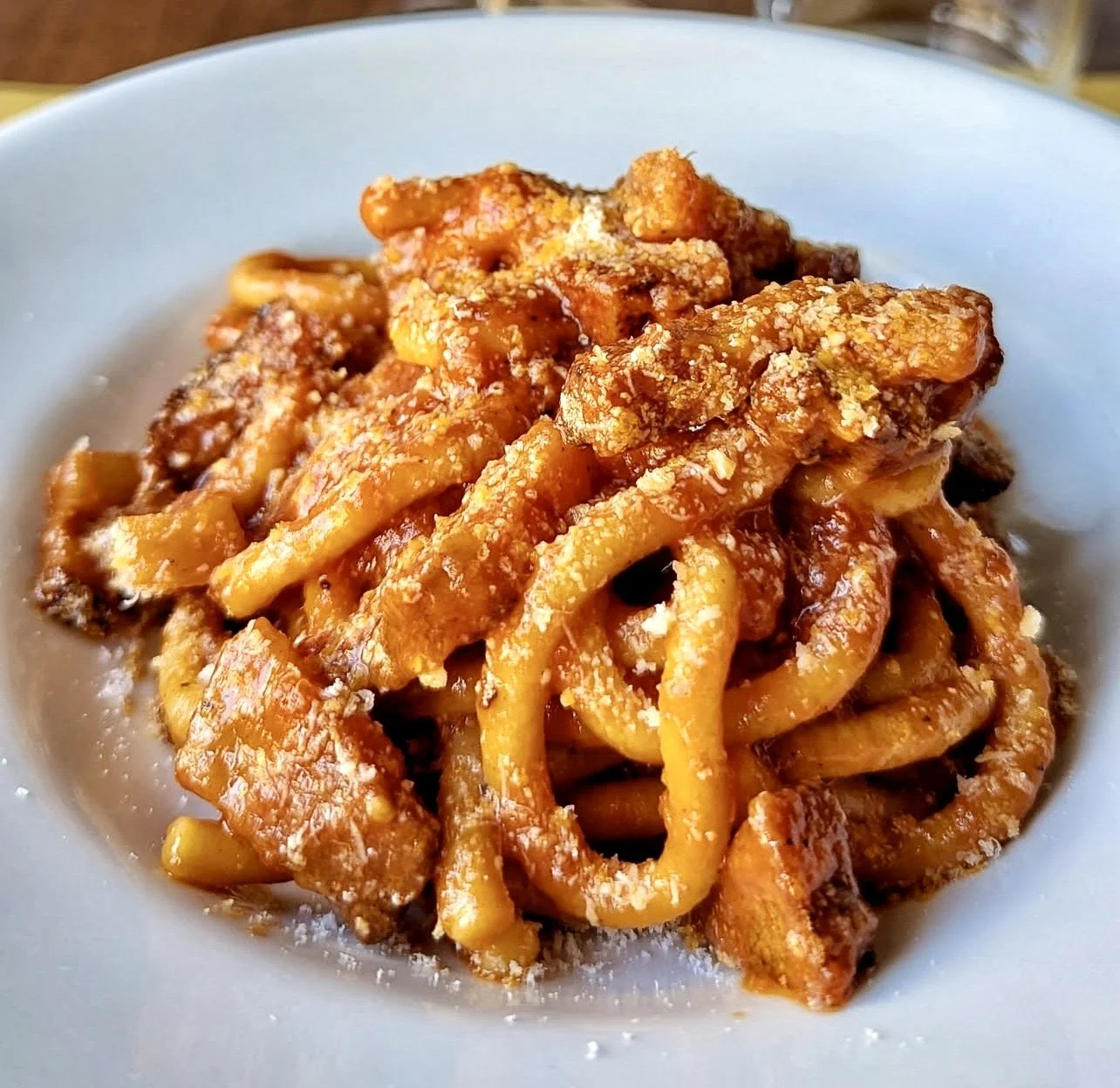
Photo: @menabo_vine_e_cucina
The boldest pasta of the trio, Amatriciana swaps creaminess for intensity. Tomato, guanciale, red pepper flakes, and Pecorino cheese come together in a sauce that’s spicy, savory, and intense. This tomato-based outlier of the trio is a pasta that can stand up to bolder pairings.
Wine pairings: Chianti Classico’s Sangiovese wines complement the dish's intensity with herbal notes and acidity that enhance its savory depth. Cesanese, an ancient Roman red grape variety, offers local authenticity with acidity and fruitiness to handle the heat.
Beer pairings: Reach for an Italian amber ale like I Cavalieri by Mastri Birrai Umbri, with its caramel malt and orange zest notes that echo the chili while complementing the tomato—a beer that’s as bold as the dish itself.
How to Have Fun with Non-Alcoholic Drink Options
Sparkling water with lemon may sound basic, but there’s a reason it’s a staple on Italian tables. Its minerality and acidity cut cleanly through rich sauces, especially Carbonara. Other non-alcoholic options include classic Italian sodas like Limonata, which is bright and refreshing, and Chinotto, Italy's bittersweet answer to cola (though it tastes nothing like Coke) that pairs surprisingly well with Cacio e Pepe and Carbonara.
For Amatriciana, a lightly sweet sparkling lemonade works nicely, as does plain soda water. Italian aperitivo-style bitters like Sanbittèr offer Campari-like bitterness without the alcohol, making them a smart, food-friendly choice across the board.
The Final Word on Choosing the Ideal Drink
Light. Fresh. Acidic. Keep these principles in mind, and you'll rarely go wrong pairing drinks with Cacio e Pepe, Carbonara, and Amatriciana. Choose Italian when possible for more authenticity, but remember: the most important thing you can do is slow down and savor every aspect of the meal. That's what transforms dinner into a Roman experience.
Buon appetito.
Kenny Dunn, Founder of Eating Europe, discovered his passion for cuisine while living in Rome, where he introduced travelers to local eateries and culinary personalities. What began as casual strolls evolved into Eating Italy Food Tours in 2011, soon expanding to multiple cities as Eating Europe. Kenny and his growing team continue to share the taste of local life and unforgettable food stories across the continent.