
The New Face of Nizza: Inside Frasca La Guaragna
/Some wineries begin with generations of family history. Others begin with an unexpected conversation.
During a recent Zoom seminar and tasting led by co-owner and winemaker Matteo Gerbi and sales director Federico Raviola, I was introduced to Frasca La Guaragna, a young winery that's shining a spotlight on Nizza DOCG, one of Piedmont's most exciting appellations for Barbera.
An American Italian Alliance
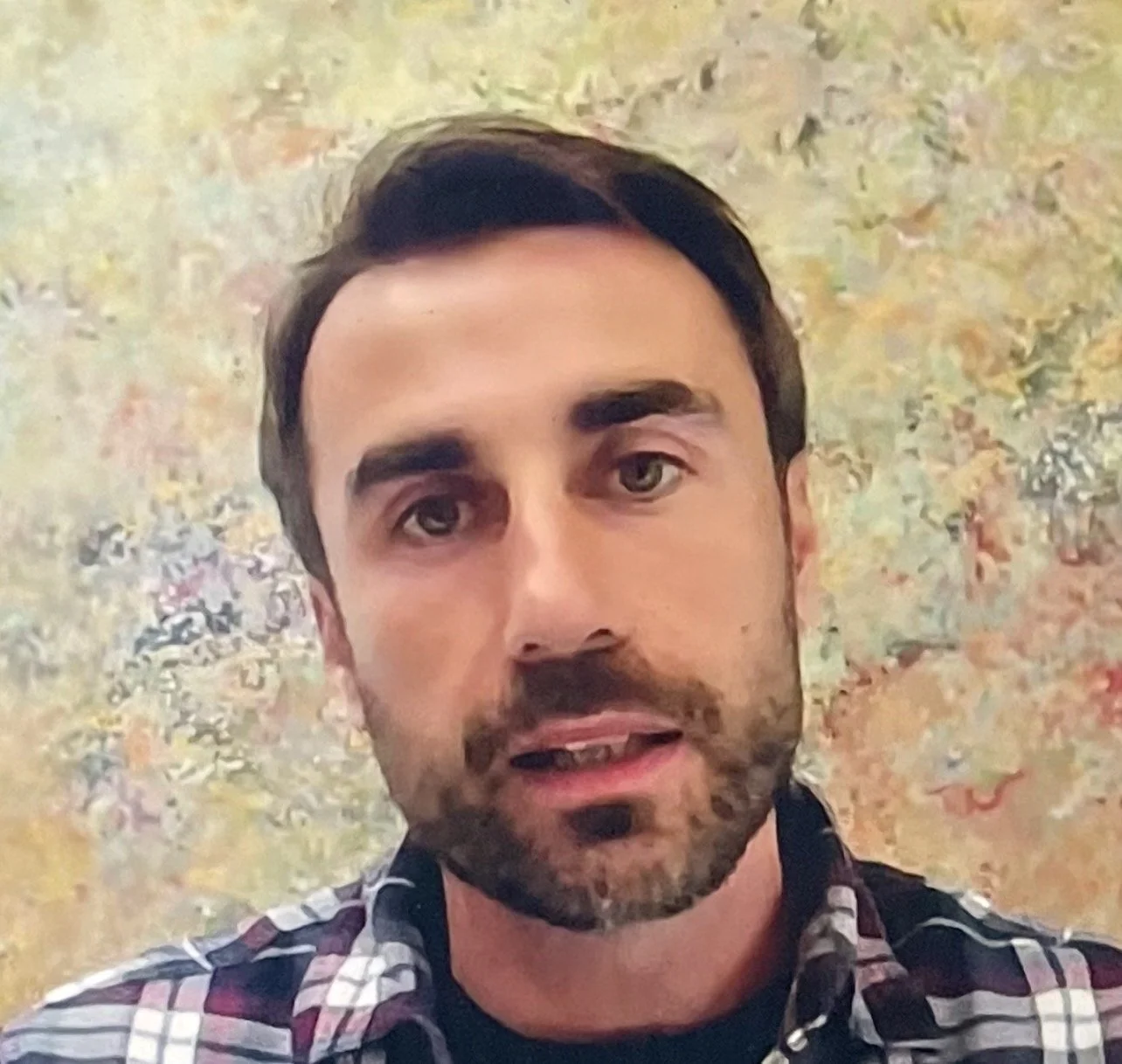
On the virtual tasting with Matteo Gerbi
The winery was born of a chance meeting in 2018 between Gerbi, a Piedmont native, and Italian-American entrepreneur and hit record producer Curt Frasca, who had fallen in love with Nizza and its Barbera wine. Frasca envisioned building a new winery that would produce the best wines the region could offer. Gerbi, meanwhile, had built an impressive resume at some of the Langhe's most respected estates, including Bruno Giacosa, Gaja, and G.D. Vajra, yet couldn't shake the desire to return home to his native Monferrato and create something of his own.
“We had two different dreams that turned out to be very similar,” Gerbi recalled. “Even though we were separated by an ocean, there was a moment when we realized we shared the same vision.”
Gerbi wanted to bring the same commitment to quality he’d experienced in the Langhe back to Monferrato. “It was an unspoken dream,” he said, “because I had the ideas but not the opportunity.”
Frasca, it turned out, was looking for exactly the same thing. "Curt had the same idea, so we said, 'Okay, let's just start,'" Gerbi said. "That's more or less how the whole adventure began."
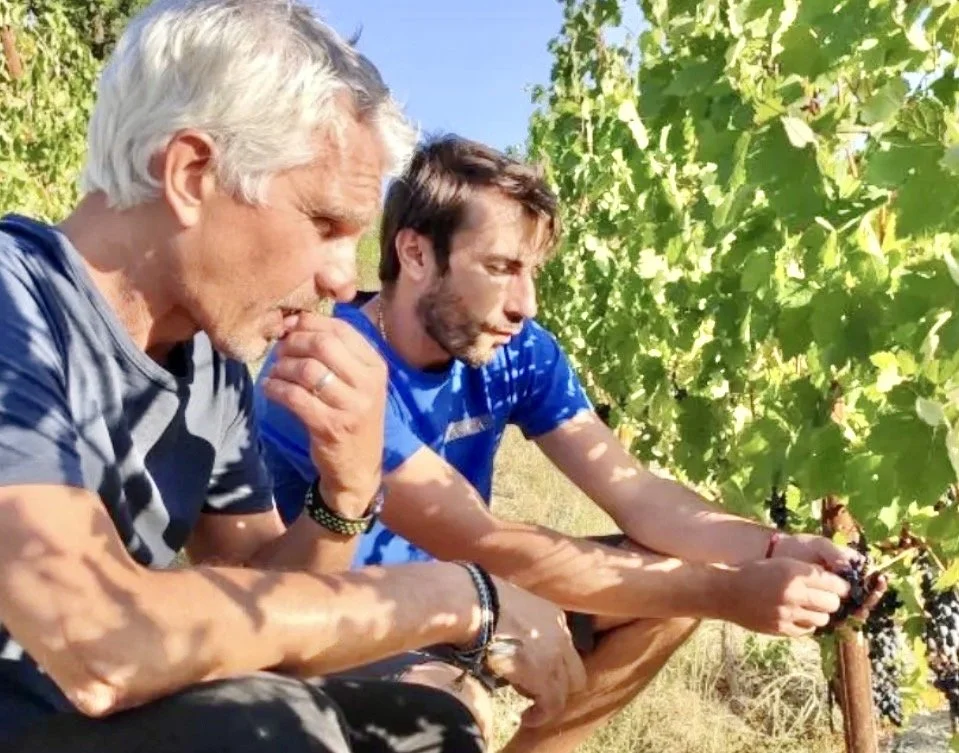
In the vineyards with Curt Frasca and Matteo Gerbi. Photo: @frasca.wine.
Today, that shared vision has become Frasca La Guaragna, an estate in the rolling hills of Nizza Monferrato, with 25 hectares (62 acres) of vineyards spread across the municipalities of Nizza Monferrato, Agliano Terme, and Moasca.
For Gerbi, the project is like coming home. "When I was a child, I used to skip kindergarten because I preferred going to the vineyards with my grandfather," he said with a laugh. "I loved spending time with him, and that's really the origin of this story."
Those early experiences taught him that "wine culture is a wonderful lesson in passion," a philosophy shared by the entire team, many of whom grew up in Monferrato, where Barbera is part of everyday life.
Barbera’s Home
Although Barbera is planted throughout Piedmont, Nizza DOCG occupies a special place in the grape's story. Established as its own DOCG in 2014, the appellation covers just 18 municipalities, a tiny fraction of the much larger Barbera d'Asti zone. For generations, these hills have been considered among the finest places to grow Barbera.
"This was historically a place where Barbera could reliably reach good ripeness," Gerbi explained. "That's part of why this area was chosen as the core zone for Barbera."
Unlike many other areas of Piedmont, where Nebbiolo claims the best vineyard sites, Barbera is the star in Nizza. David Guiliano, Regal Wine Imports Italian portfolio manager, admitted he initially overlooked the appellation.
"I wasn't looking for Nizza," he said. "A lot of people, myself included at the time, weren't fully aware of what Nizza was."
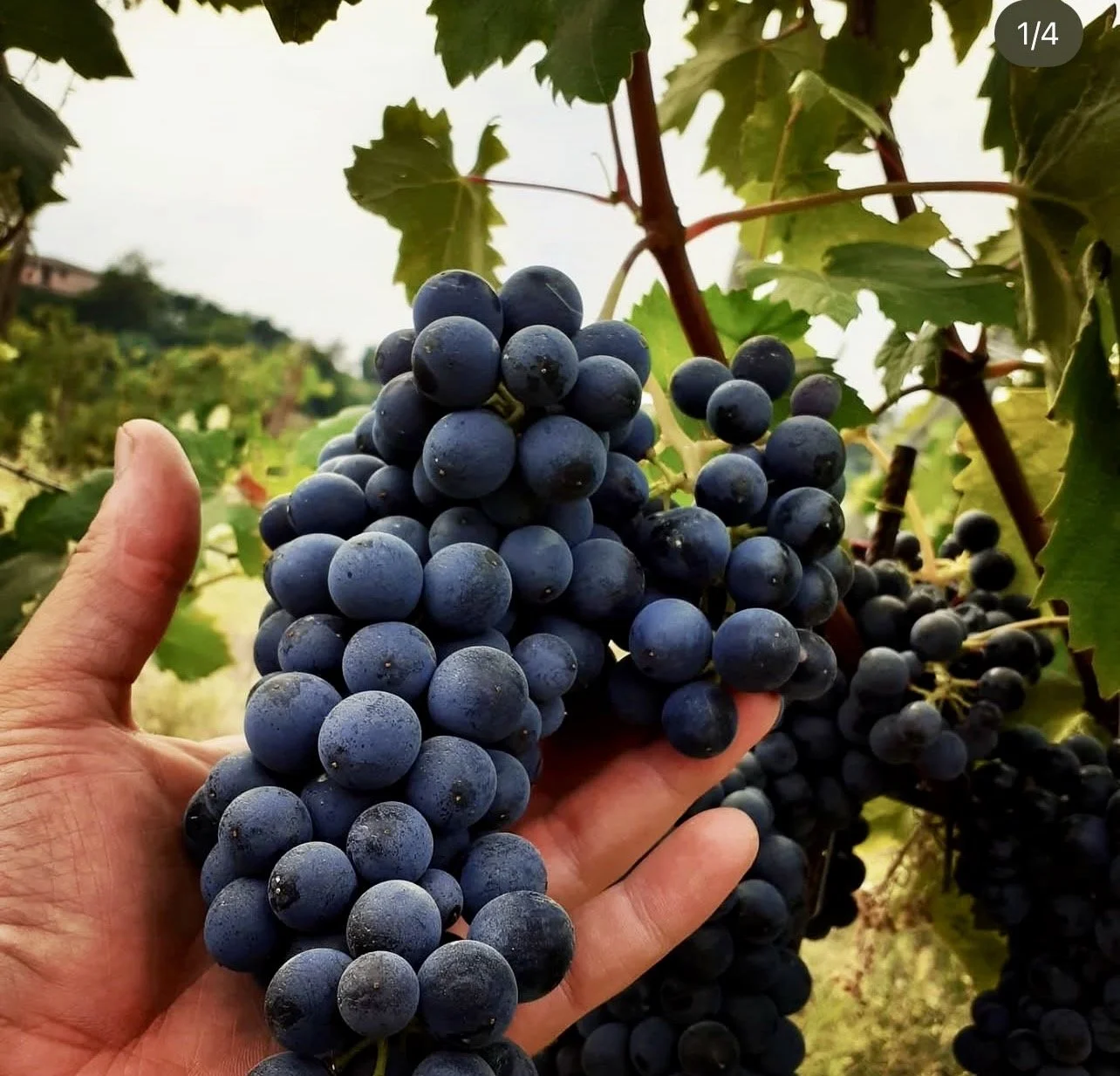
Photo: @frasca.wine
That changed after tasting Frasca La Guaragna's wines. "It was truly an 'aha' moment for me," Guiliano said. "For the first time, I understood the greatness and uniqueness of this terroir for Barbera."
He believes Nizza allows Barbera to reach its full potential. "In most other appellations, Barbera is the secondary grape," he said. "Nebbiolo gets the best vineyards. But in Nizza, Barbera gets its day in the sun." The result, he says, is a richer, more structured expression of the variety that still retains the juicy fruit, vibrant acidity and food-friendly character that make Barbera so appealing.
A Winery Looking Ahead
While Barbera remains the winery's centerpiece, Frasca La Guaragna also produces Riesling, Arneis, Grignolino, Freisa, Favorita, and Cortese. The vineyards are farmed using integrated pest management, with biodiversity playing an important role. Gerbi explained that they delay mowing until after flowering so bees can complete their work. They also maintain ground cover to encourage life in the vineyards and use weather stations to reduce unnecessary spraying.
"Our goal isn't just to avoid harming the land," he said. "It's to give back more to the soil than we take from it."
The next milestone is a new winery currently under construction at La Braggiara. Located within the UNESCO World Heritage landscape of Piedmont's vineyard hills, the facility was Kurt's and Matteo's idea: a headquarters where people could come to understand the region.
For a winery that officially released its first vintage in 2019, Frasca La Guaragna has already accomplished quite a lot by following a clear, simple philosophy. “We're producing wines we ourselves like to drink,” said Gerbi. “I think the easiest way to sell something is when you truly like what you’re making.”
Frasca La Guaragna Wines Tasted
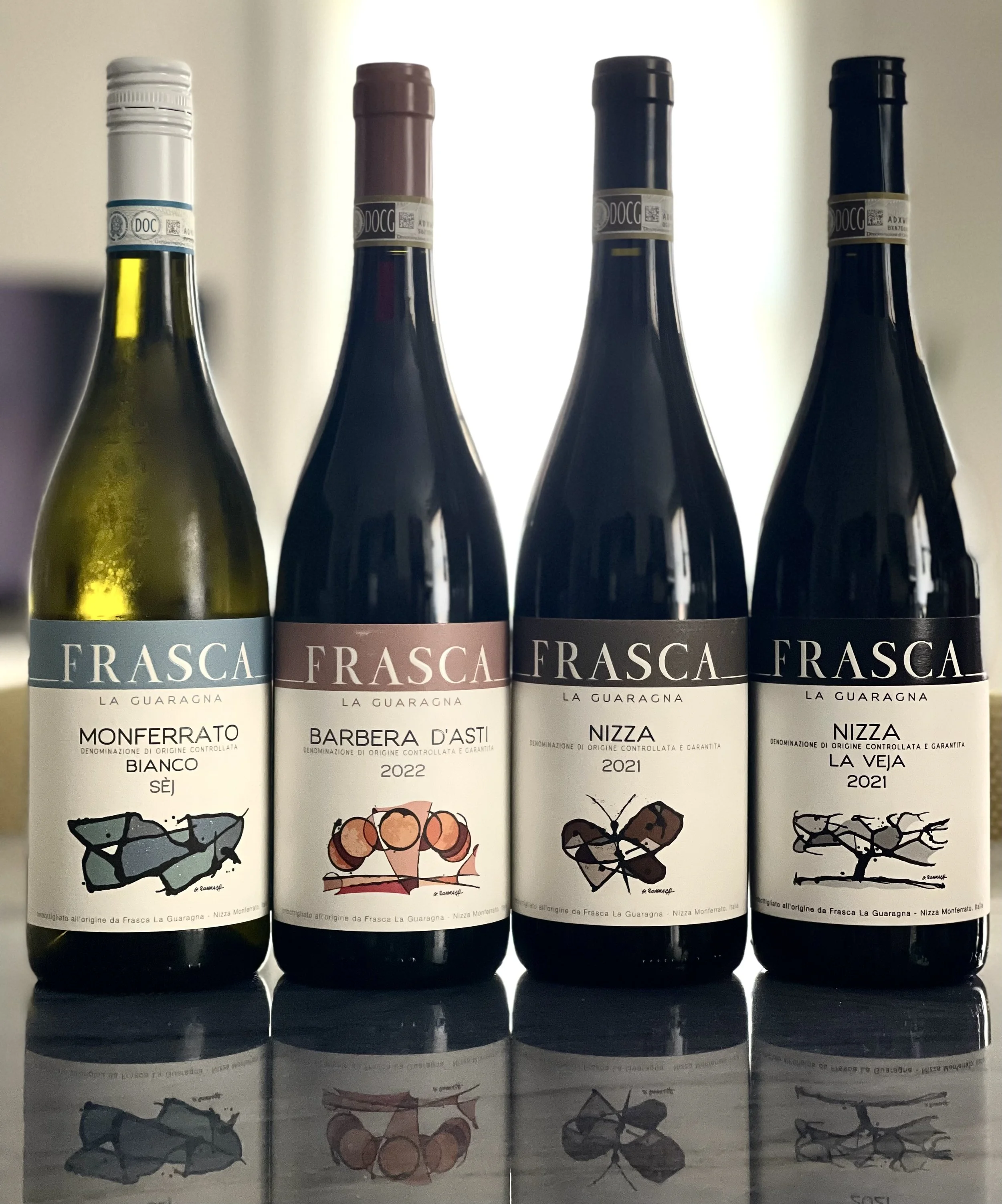
Monferrato Bianco Sèj 2024 ($26)
Made from Riesling and Arneis grown on the sandy, pebbly soils of the La Braggiara vineyard, this is an everyday white that overdelivers. Fermented and aged in stainless steel, the Arneis lends texture and weight, while the Riesling contributes lively acidity and energy. Aromas of citrus blossom, green apple and white peach lead to a palate that's crisp yet layered, with a stony minerality and subtle saline note that lingers on the finish. Tasty as an aperitivo or with light dishes, salads, and grilled fish or sushi.
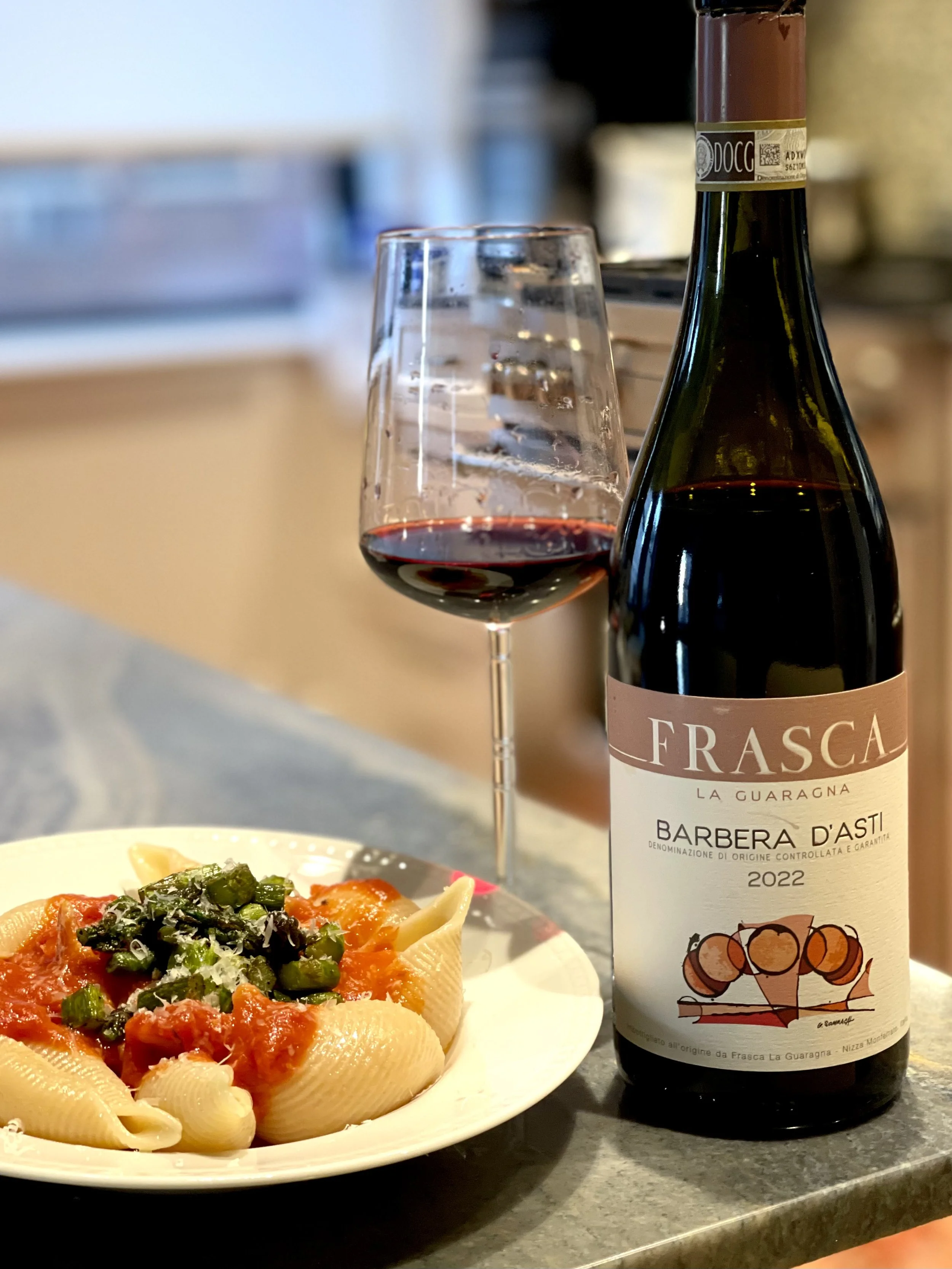
Barbera d'Asti 2022 ($24)
Drawn from all four estate vineyards and fermented entirely in stainless steel, each parcel is vinified separately before being blended. Gerbi describes it as "different colors" on an artist's palette, creating a wine that blends the estate’s many Barbera expressions. Bright aromas of ripe cherries, wild berries and violets lead to a juicy, medium-bodied palate with vibrant acidity, silky tannins and freshness. Energetic and drinkable, it finishes with a subtle savory edge. A food-friendly Barbera that pairs well with summer salads, grilled or roasted meats, or pasta with a light tomato sauce and chopped asparagus.
Nizza 2021 ($37)
Sourced primarily from 40-year-old vines across the estate's four vineyard sites, this Nizza shows just how refined and age-worthy Barbera can be. Aged for the minimum required time in large French oak casks, the wine is mellowed without obscuring its vibrant fruit. Layers of black cherry, blackberry, plum and baking spice unfold alongside hints of violet and crushed stone. Richer and more structured than the Barbera d'Asti, it remains balanced, with bright acidity carrying the concentrated fruit through a long, savory finish. It has the depth to cellar for several years, but its freshness makes it thoroughly enjoyable now, especially with grilled meats, braised dishes, or aged cheeses.
Nizza La Veja 2021 ($65)
Named La Veja, or "the old lady" in the Monferrato dialect, this old-vine Barbera comes from a vineyard planted nearly a century ago. The ancient vines produce small yields of highly concentrated fruit. Yet despite its power, this is a wine defined by grace. Aromas of black cherries, wild berries, dried roses, and sweet spice give way to a layered palate with impressive depth, silky tannins, and vibrant acidity, keeping every sip fresh and focused. The finish is long, mineral, and persistent. Like the gnarled oak tree depicted on the label, the wine is a beautiful expression of resilience and of what old vines and careful management can achieve.