

Beyond the Tourist Spots: Where and How to Eat Like a Local in Barcelona
/Today The Wine Chef features a guest post by Kenny Dunn, founder of Eating Europe. Check out his bio at the end of the article.
Barcelona’s food culture is famous for tapas bars, seafood paella, bustling markets, and traditional Catalan restaurants. Locals enjoy all of them, but often in neighborhoods most visitors don't explore.
While the city’s most popular tourist areas are filled with restaurants catering to visitors, some of Barcelona’s most rewarding meals can be found in the neighborhoods where residents live, work, and dine regularly. For travelers who care about regional cuisine and culinary authenticity, venturing beyond the busiest areas offers a more local perspective on the city’s food culture.
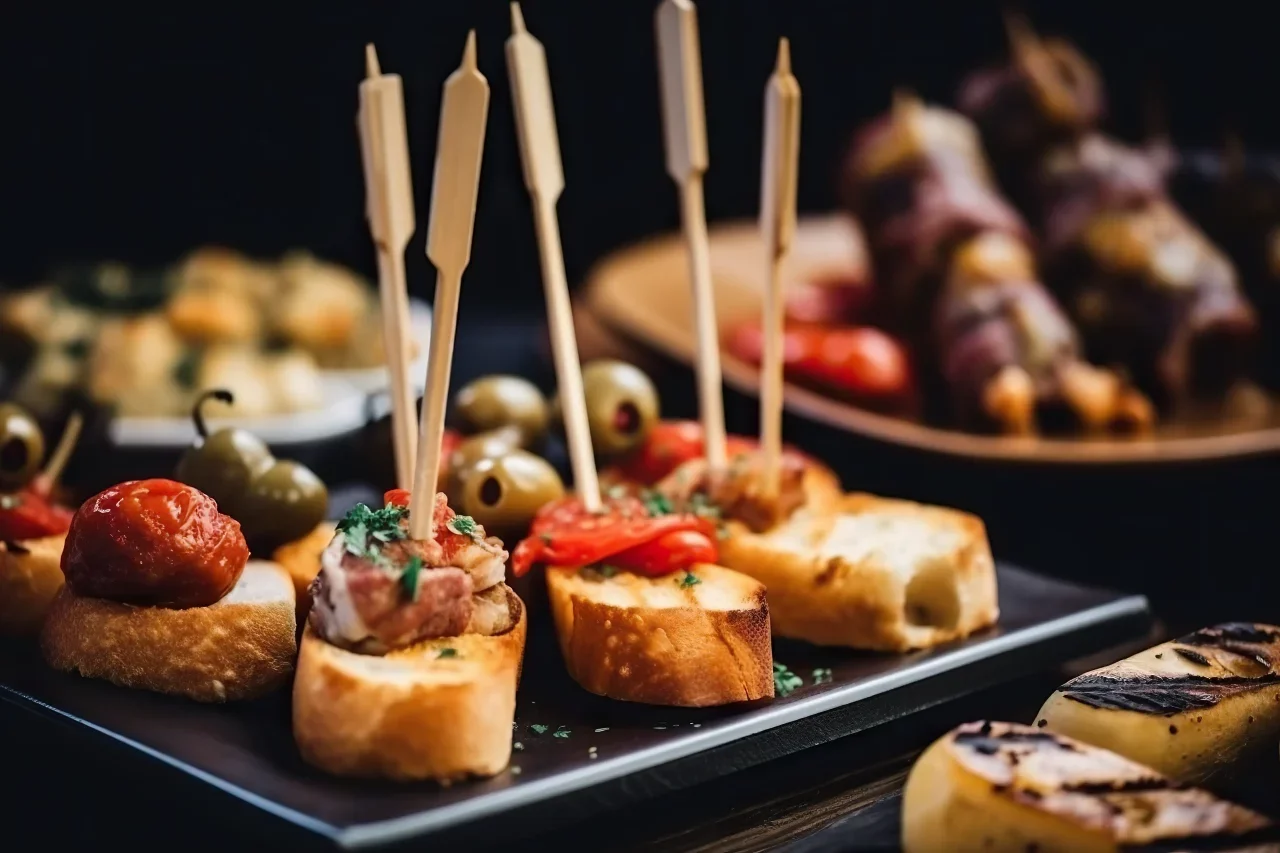
Dining Culture
To understand where locals eat, start with how they eat. Meals in Barcelona follow a cadence that may feel unfamiliar to visitors. Lunch is often the main meal of the day, served between 1:30 and 3:30 p.m., while dinner rarely begins before 8:00 p.m. Many Barcelonans don't head to dinner until closer to 9:30 or even 10 p.m., so adjusting your schedule can make a big difference.
Dining is also deeply social. Locals linger over meals, a practice known as sobremesa, especially when wine is involved, and tend to favor establishments that prioritize consistency over trendiness. Menus often reflect what the kitchen does best rather than chasing novelty, while wine lists lean toward Spanish and Catalan producers, with value and food compatibility more important than prestige labels.
Many residents return to the same places week after week, building relationships with owners and servers. These are less hidden “secret” spots than reliable neighborhood institutions that also welcome non-locals.
A Simple Approach
Barcelona’s best local meals are often simple by design, focusing on a few high-quality ingredients rather than elaborate techniques. A plate of grilled botifarra with white beans, seasonal escalivada, or anchovies preserved in good olive oil can better represent local taste than anything ornate.
Routine plays a major role. Many people eat lunch at the same restaurant near work or home, choosing a fixed-price menú del día (menu of the day) that includes a starter, main, dessert, bread, and wine. On weekends, families dine together, so advance booking is crucial, and weekend set menus are often heartier and slightly more expensive than midweek offerings. These menus offer some of the city’s most straightforward and delicious cooking.
Wine choices reflect this practical approach, with easy-drinking crisp whites, young reds, cava, and vermouth all common companions to everyday meals.
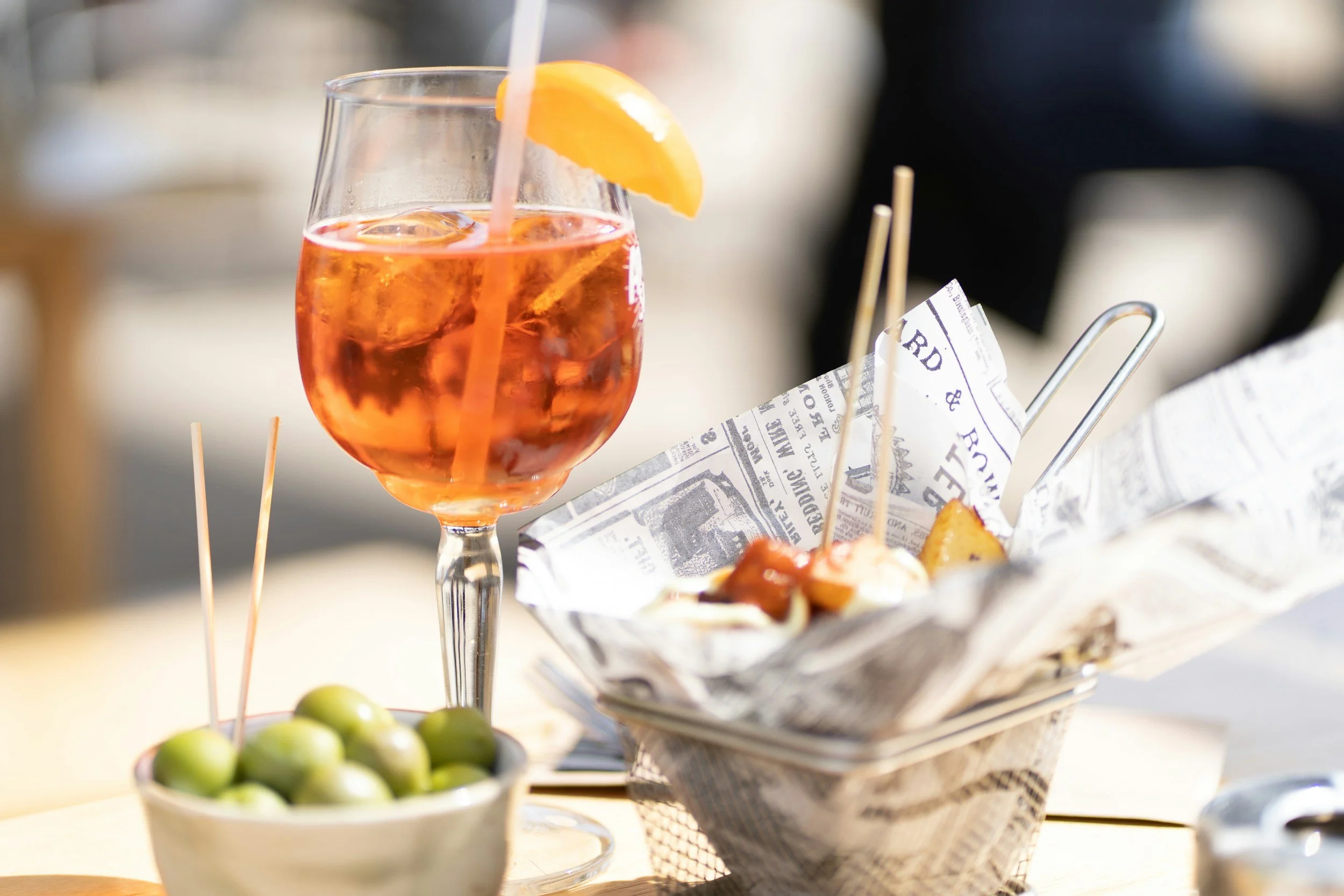
Niche Dishes
Locals tend to favor restaurants that do a few things exceptionally well. Rather than broad menus, many establishments choose a specialty. Think grilled meats, rice dishes, offal-based stews, or seafood.
Certain dishes appear again and again on local tables. Fideuà, cap i pota, bacallà amb samfaina, and slow-cooked lentils are staples that rarely headline tourist menus but remain central to Catalan cuisine. However, many dishes, such as the beloved Catalan dessert, crema catalana, appear on both tourist and local menus.
At the wine bars locals frequent, the line between dining and drinking often blurs, with small plates arriving as bottles are shared and recommendations coming from conversation rather than written descriptions.
Dining in Neighborhoods Beyond Central Barcelona
While central districts like the Gothic Quarter and parts of Eixample attract heavy tourism, many locals dine in the surrounding areas where daily life unfolds at a more relaxed pace. If you’re looking to get the true Barcelona experience while beating the crowds, check out some of the places mentioned below.
Poble-sec
This neighborhood blends working-class traditions with a lively dining scene. Its informal restaurants with small plates, grilled meats, and shared bottles appeal to travelers who enjoy relaxed, wine-centered meals.
One local spot worth seeking out is El Sortidor de la Filomena Pagès, a Poble-sec institution dating back to 1908. The restaurant’s traditional dishes have a modern touch and use ingredients from the local market. Recommended dishes include patates bravas, paella del Poble Sec, and fricandó de vedella.
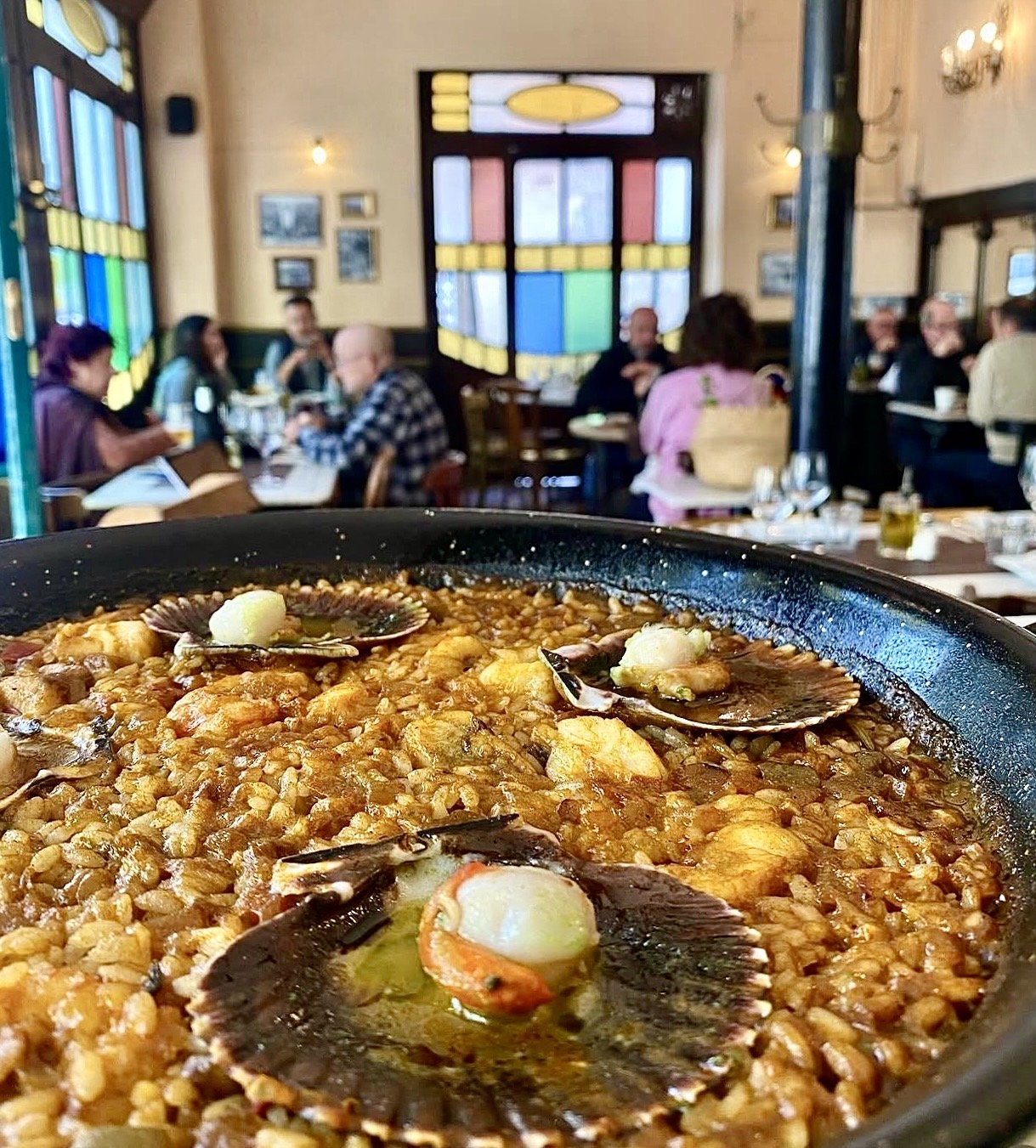
El Sortidor de la filomena pagès
Gràcia
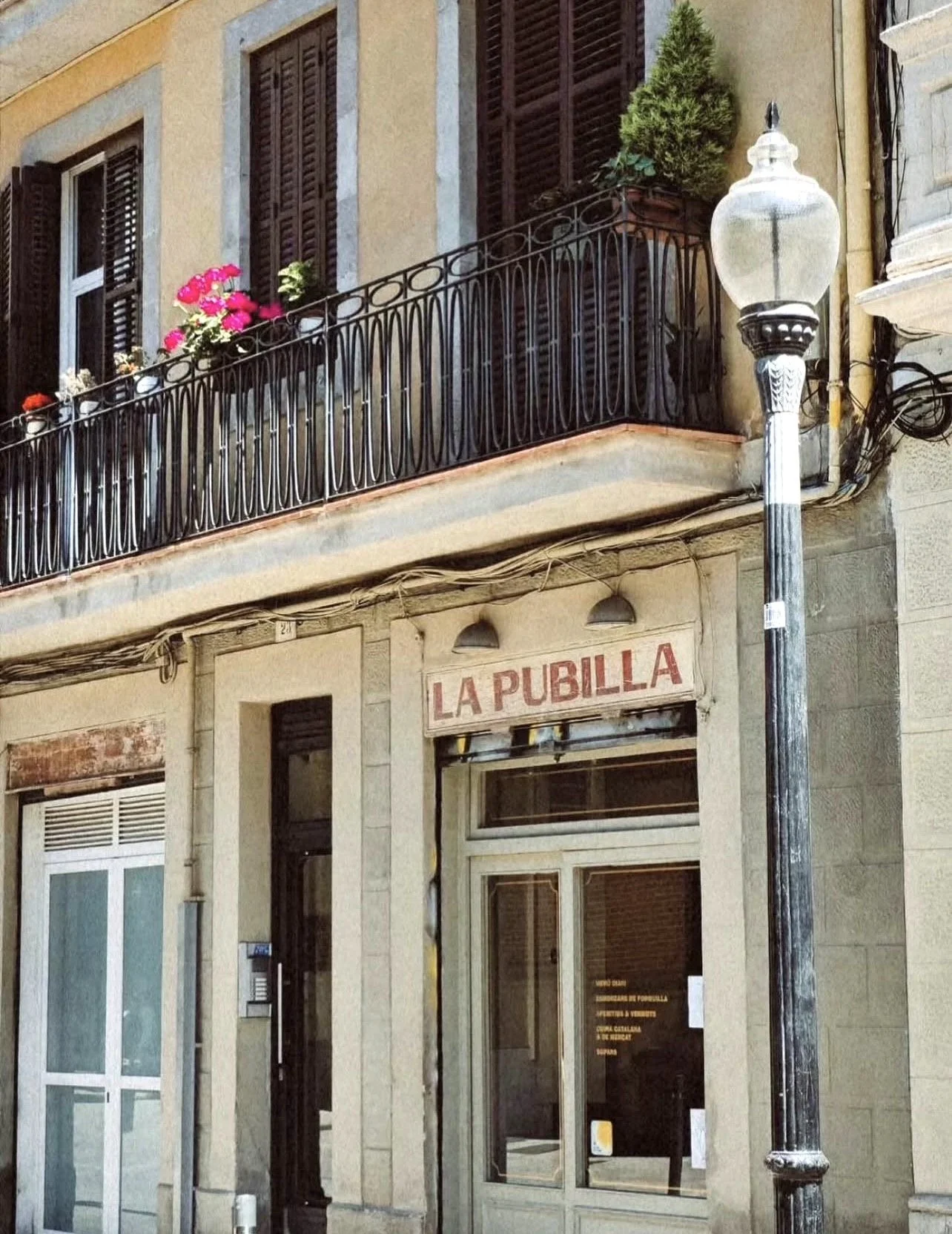
Known for its village-like feel and strong neighborhood identity, Gràcia is home to restaurants offering Catalan comfort food, casual wine bars, and kitchens that cater to regulars. Thoughtful wine lists often sit alongside classic dishes.
One restaurant that fits this neighborhood character particularly well is La Pubilla, a Catalan restaurant in Plaça de la Llibertat. This cozy restaurant focuses on seasonal cooking and offers a daily lunch menu. Try the croqueta de rostit or pa de coca amb tomàquet, or go for the fideuà if you're looking for something more substantial.
Sant Antoni
Sant Antoni has emerged as a food-forward area without losing its local character. Traditional eateries sit alongside places with more modern takes on Catalan cuisine, with many offering excellent lunch menus popular with nearby residents. Wine programs often highlight small Spanish producers.
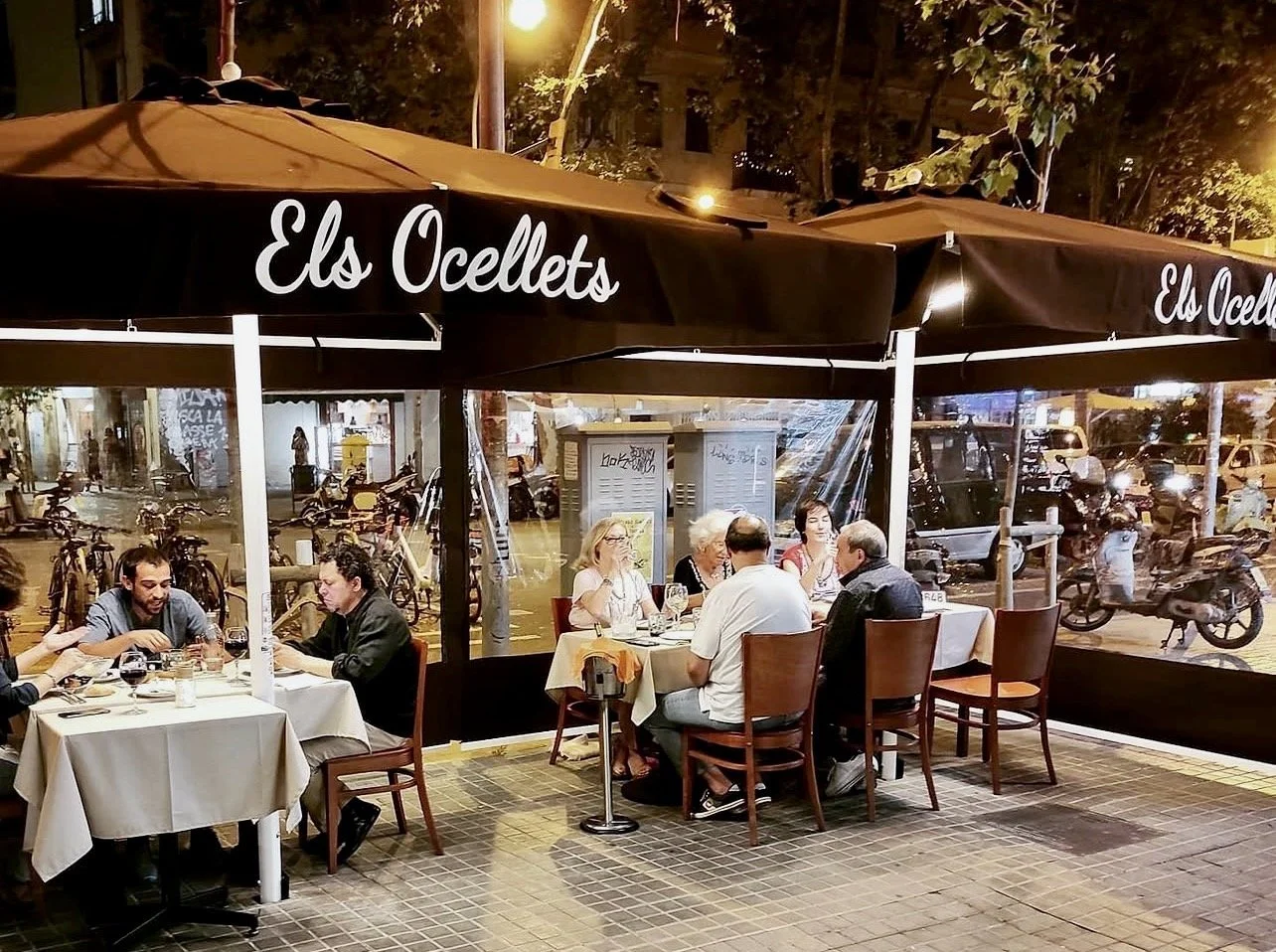
Els Ocellets exemplifies Sant Antoni’s neighborhood dining culture. The restaurant has served homemade, seasonal cooking since 1984, with a menu covering seafood, meats, rice dishes, and homemade desserts. Favorites include the grilled mussels, fried anchovies, and croquettes.
For wine lovers, Els Sortidors del Parlament is another worthwhile stop. Located on the popular dining street Carrer del Parlament, this relaxed spot puts wine and small plates at the center of the experience. Settle in with a bottle and order a selection of dishes to share rather than treating the meal as a formal progression of courses.
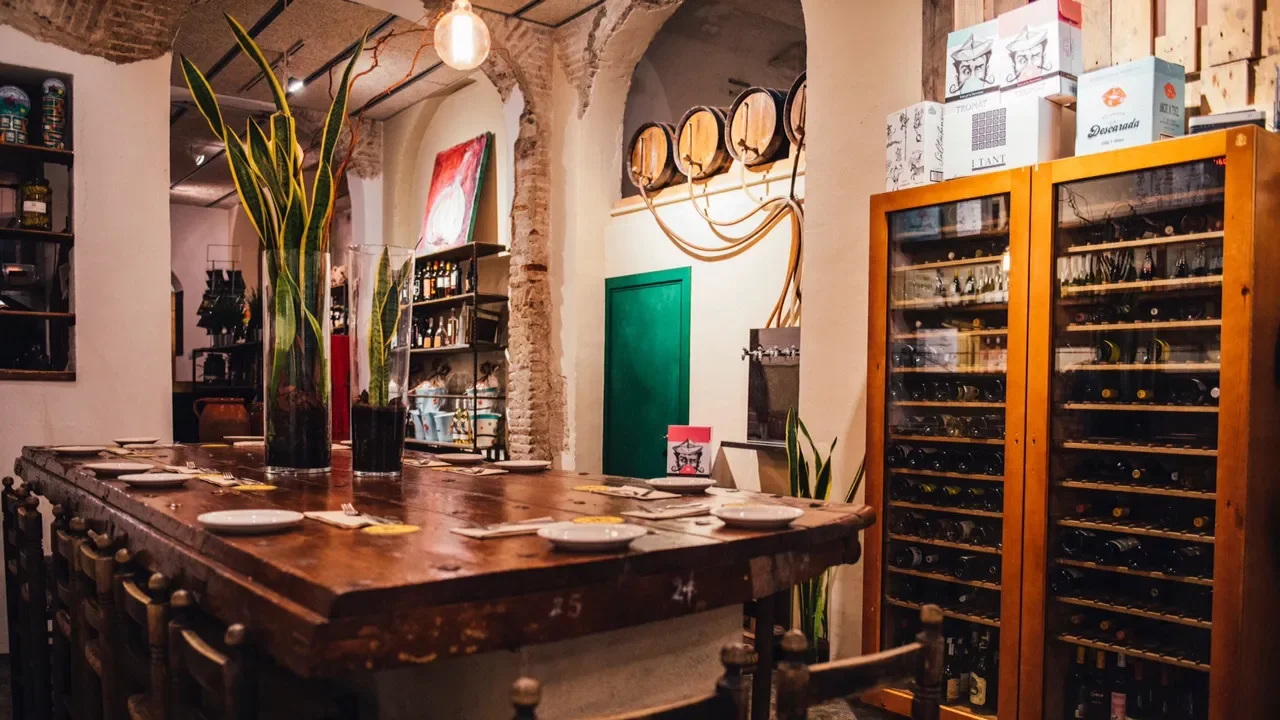
Els Sortidors del Parlament
Sants and El Clot
For an even more residential experience, neighborhoods such as Sants and El Clot, farther from the city center, offer restaurants that cater more to residents than visitors. English menus may be less common, but curious diners will find honest pricing, generous portions, and food that reflects everyday Catalan life.
Worth The Detour
Eating like a local in Barcelona requires little more than adjusting your schedule and getting beyond the city center. Skip the tourist-heavy areas and venture into the outlying neighborhoods. Look for restaurants filled with residents, and don't be afraid to try a place without an English menu. You'll find plenty of good food, regional wine, and a more authentic taste of how Barcelonans eat. You may discover some of the most memorable food experiences of your trip.
Author Kenny Dunn discovered his passion for cuisine while living in Rome, where he introduced travelers to local eateries and culinary personalities. What began as casual strolls grew into Eating Italy Food Tours in 2011, then expanded to multiple cities as Eating Europe. Kenny and his growing team continue to share the taste of local life and unforgettable food stories across the continent.